Skip to content
SawaLife BETA

Thailand knowledge

Articles about Thailand

Clear, reviewed information to help you plan your Thailand journey with confidence.

From Tourist to Resident: The Psychological Stages of Moving to Thailand in 2026
Moving to Thailand

From Tourist to Resident: The Psychological Stages of Moving to Thailand in 2026

Psychological roadmap of expat adjustment: the honeymoon phase, culture shock and bureaucratic friction, realistic recalibration, and authentic integration.

2 min ↗
Moving to Thailand

From Tourist to Resident: The Psychological Stages of Moving to Thailand in 2026

· Last reviewed: 23 September 2026 · Written by Ricardo Dos Santos
From Tourist to Resident: The Psychological Stages of Moving to Thailand in 2026

Psychological roadmap of expat adjustment: the honeymoon phase, culture shock and bureaucratic friction, realistic recalibration, and authentic integration.

Transitioning from an enchanted vacationer into a grounded, long-term resident in Thailand does not happen overnight. This psychological journey follows a four-stage acculturation curve.


1. The 4 Stages of Expat Acculturation

Acculturation Stage Typical Timeline Core Characteristics Strategic Action
1. The Honeymoon Months 1 to 3 Euphoria, sensory wonder, holiday feeling Enjoy while setting up long-term structure
2. Cultural Friction Months 4 to 8 Bureaucratic friction, language barrier Avoid cynical expat circles, practice Jai Yen
3. Realistic Recalibration Months 9 to 18 Acceptance of local norms, routines, learning Thai Adopt local equanimity (Mai Pen Rai)
4. Grounded Integration Year 2 and beyond Emotional stability, loyal social circle, autonomy Thrive with deep cultural balance

Stage 1: The Honeymoon (Months 1 to 3)

Everything feels vibrant, sensory, and affordable. Daily life is an adventure of sunsets, tropical food, and warm hospitality.

Stage 2: Cultural Friction & Bureaucratic Fatigue (Months 4 to 8)

Novelty subsides into routine. First encounters with immigration queues, 90-day reports, banking rules, and language barriers trigger temporary frustration.
Stage 3: Realistic Recalibration (Months 9 to 18)

You stop benchmarking Thai administrative pace against Western standards. You embrace the cultural wisdom of Mai Pen Rai (it's okay / no problem) and develop daily routines.

Stage 4: Grounded Integration (Year 2+)

You possess trusted healthcare, social circles, and local language basics. You appreciate Thailand for what it genuinely is: a rich, peaceful, and balanced home.

2. Frequently Asked Questions (FAQ)
What is the most effective way to navigate culture shock?

Distance yourself from cynical expat groups that dwell on grievances. Engage with local community activities, practice Thai conversational basics, and cultivate a calm mindset (Jai Yen).

Contrasting Thai landscape illustrating easy tourist arrival versus complex long-term residency
Moving to Thailand

Is Thailand Truly an Easy Country to Relocate to in 2026? A Critical Analysis

Objective analysis of the gap between effortless tourist arrival and the complex legal, property, and cultural realities of permanent residency.

2 min ↗
Moving to Thailand

Is Thailand Truly an Easy Country to Relocate to in 2026? A Critical Analysis

· Last reviewed: 23 September 2026 · Written by Ricardo Dos Santos
Contrasting Thai landscape illustrating easy tourist arrival versus complex long-term residency
SawaLife Editorial / Authentic Documentary Photography

Objective analysis of the gap between effortless tourist arrival and the complex legal, property, and cultural realities of permanent residency.

Thailand enjoys a global reputation as an "easy country": warm hospitality, delicious cuisine, accessible cost of living, and pristine private hospitals. Yet permanently settling in the Kingdom reveals a fundamental dichotomy between effortless arrival and complex long-term anchoring.


1. What is Truly Frictionless

  • Arrival & Housing: Renting a fully furnished luxury high-rise condominium within 48 hours without credit checks or complex guarantor dossiers.
  • Everyday Convenience: Seamless super-apps (Grab, PromptPay, Line), round-the-clock food delivery, and ubiquitous convenience stores.
  • Personal Safety: Among the lowest violent crime rates in Asia.

2. What is Structurally Complex

  • Non-Permanent Immigration Framework: Thailand does not operate an open permanent immigration track. Long-term stayers remain guests under renewable temporary visa categories.
  • Land Ownership Restrictions: Section 86 of the Thai Land Code prohibits direct foreign freehold ownership of landed property (foreigners are limited to 49% foreign freehold quotas in condominiums).
  • Protected Occupations: Over 40 trades and professions are legally reserved for Thai nationals under the Foreign Employment Decree.

3. Frequently Asked Questions (FAQ)

Is Thai citizenship attainable for foreign residents?

While legally possible, naturalization requires consecutive years of local tax contributions under a standard Work Permit, fluent spoken and written Thai language exams, and ministerial approval. Less than 100 foreign applicants are naturalized annually.

Peaceful seaside retirement setting in Hua Hin Thailand for long-term seniors
Moving to Thailand

Retiring in Thailand in 2026: The Critical Questions Beyond Visas

Legal and medical foresight: senior healthcare coverage past age 70, long-term nursing care, Thai wills, and cross-border tax treaties.

1 min ↗
Moving to Thailand

Retiring in Thailand in 2026: The Critical Questions Beyond Visas

· Last reviewed: 23 September 2026 · Written by Ricardo Dos Santos
Peaceful seaside retirement setting in Hua Hin Thailand for long-term seniors
SawaLife Editorial / Authentic Documentary Photography

Legal and medical foresight: senior healthcare coverage past age 70, long-term nursing care, Thai wills, and cross-border tax treaties.

Retiring under the tropical Thai sun surrounded by friendly smiles attracts thousands of seniors annually. While obtaining a Retirement Visa (Non-Immigrant O-A or O) requires straightforward financial qualification (800,000 THB in a Thai bank or 65,000 THB monthly pension), the true critical questions center on aging, healthcare sustainability, and estate planning.


1. The 4 Foundations of a Secure Retirement

1. Health Insurability Past Age 70 & 75

Annual insurance premiums escalate with age:

  • Age 60: 80,000 to 130,000 THB/year.
  • Age 75+: Premiums frequently exceed 250,000 to 450,000 THB/year.
  • Strategy: Secure a Guaranteed Renewable for Life policy before age 65.

2. Long-Term Nursing Care & Home Health Aides

Thailand offers private in-home nursing caregivers (Live-in Caregivers) costing 20,000 to 35,000 THB/month ($600–$1,000)—a fraction of Western assisted living costs.

3. Drafting a Local Thai Will

To ensure condominiums and local bank accounts pass smoothly to heirs without lengthy court probate, execute a bilingual (Thai-English) will witnessed by a registered Thai attorney.


2. Frequently Asked Questions (FAQ)

Are specialized assisted-living communities available?

Yes. Purpose-built senior care facilities in Chiang Mai and Hua Hin (such as Vivobene Village) cater specifically to international residents requiring skilled memory care and rehabilitation.

Outdoor sports group and active social community in Thailand beyond nightlife
Moving to Thailand

Building a Quality Social Life in Thailand Beyond Nightlife in 2026

Practical guide to building meaningful friendships: running clubs, padel, badminton, cultural societies, volunteering, and daytime expat networks.

1 min ↗
Moving to Thailand

Building a Quality Social Life in Thailand Beyond Nightlife in 2026

· Last reviewed: 23 September 2026 · Written by Ricardo Dos Santos
Outdoor sports group and active social community in Thailand beyond nightlife
SawaLife Editorial / Authentic Documentary Photography

Practical guide to building meaningful friendships: running clubs, padel, badminton, cultural societies, volunteering, and daytime expat networks.

Thailand's social reputation is too often narrowly associated with nightlife entertainment. Yet for the tens of thousands of long-term residents and families, Thailand offers one of the most dynamic daytime community ecosystems in Asia.


1. Premier Avenues for Meaningful Friendships

  1. Sports & Outdoor Groups:
    • Running communities in Lumphini and Benjakitti Forest Park.
    • Rapidly expanding Padel, Pickleball, and Badminton leagues.
  2. Co-working & Professional Meetups: Daytime networking at hubs like True Digital Park and The Hive.
  3. Charity & Community Volunteering: Organizations like Soi Dog Foundation (Phuket) and local animal rescues.
  4. Cultural & Language Exchange Circles: Weekly language exchanges and sports clubs.

2. Frequently Asked Questions (FAQ)

Are locals open to cross-cultural friendships?

Yes. English-speaking Thai professionals and university students actively participate in sports leagues, book clubs, and cultural meetups.

Cultural interaction and learning Thai language transforming expat daily integration
Moving to Thailand

What Learning Basic Thai Truly Changes for Expats in 2026

How 150 core conversational words and tonal politeness particles unlock authentic respect, fair pricing, smooth administration, and daily safety.

1 min ↗
Moving to Thailand

What Learning Basic Thai Truly Changes for Expats in 2026

· Last reviewed: 23 September 2026 · Written by Ricardo Dos Santos
Cultural interaction and learning Thai language transforming expat daily integration
SawaLife Editorial / Authentic Documentary Photography

How 150 core conversational words and tonal politeness particles unlock authentic respect, fair pricing, smooth administration, and daily safety.

Many expatriates live in central Bangkok or Phuket for years without speaking more than five words of Thai. Yet learning just 150 to 300 essential words alongside tonal politeness particles (Khrap for men, Kha for women) completely transforms your daily expat experience.


1. Four Tangible Benefits of Basic Thai

  1. Eliminating Tourist Markups: Conversing in Thai at local markets signals residency and fair local pricing.
  2. Deepening Local Goodwill: Thai people express genuine warmth and appreciation toward foreigners making the effort to speak their language.
  3. Smooth Bureaucracy: Greeting immigration officers or DLT staff respectfully in Thai immediately eases interactions.
  4. Emergency Situations: Describing symptoms or road accidents clearly to emergency dispatchers (1669 / 1155) is vital.

2. Frequently Asked Questions (FAQ)

Are the 5 tones too hard for beginners?

Thai grammar has no conjugations or gendered articles. Basic spoken conversational proficiency is achievable within 4 to 6 weeks of dedicated practice.

Warm and respectful social interaction showing the cultural concept of Kreng Jai in Thailand
Moving to Thailand

Understanding Kreng Jai: Decoding Thai Social Etiquette in 2026

Anthropological guide to Kreng Jai (เกรงใจ): indirect communication, preserving face (*raksha na*), conflict avoidance, and successful cultural integration.

1 min ↗
Moving to Thailand

Understanding Kreng Jai: Decoding Thai Social Etiquette in 2026

· Last reviewed: 23 September 2026 · Written by Ricardo Dos Santos
Warm and respectful social interaction showing the cultural concept of Kreng Jai in Thailand
SawaLife Editorial / Authentic Documentary Photography

Anthropological guide to Kreng Jai (เกรงใจ): indirect communication, preserving face (*raksha na*), conflict avoidance, and successful cultural integration.

In Thailand, the foundational interpersonal dynamic is Kreng Jai (เกรงใจ). Loosely translated as "deep consideration," "reluctance to impose," or "tactful deference," it governs every social, professional, and commercial exchange.


1. What is Kreng Jai?

Kreng Jai embodies the profound cultural desire to avoid causing inconvenience, awkwardness, or emotional burden to another person.

  • It explains why Thai people avoid direct negative responses ("No"), preferring softer phrasing like "That may be difficult" (Yak mak) or a polite smile.
  • It prompts employees and contractors to avoid bringing bad news abruptly to their employer.

2. The Cultural Imperative of "Saving Face" (Raksha Na)

Causing someone to "lose face" in public through raised voices, visible anger, or aggressive confrontation is considered a severe social breach in Thailand.

  • The Golden Rule: Maintain a calm demeanor (Jai Yen - cool heart). Address disagreements privately with constructive politeness.

3. Frequently Asked Questions (FAQ)

How can I decode a polite "Yes"?

Look for follow-up specifics. An affirmative accompanied by active next steps indicates genuine agreement. A hesitant, polite smile often signifies polite acknowledgment of your request without the ability to fulfill it.

Peaceful Thai residential lane illustrating the choice between expat tourist districts and local communities
Housing

Living in a Tourist District vs Local Neighborhood in Thailand in 2026

Lifestyle trade-offs: rental economics, English language convenience, nightlife noise, food affordability, and genuine cultural immersion.

1 min ↗
Housing

Living in a Tourist District vs Local Neighborhood in Thailand in 2026

· Last reviewed: 23 September 2026 · Written by Ricardo Dos Santos
Peaceful Thai residential lane illustrating the choice between expat tourist districts and local communities
SawaLife Editorial / Authentic Documentary Photography

Lifestyle trade-offs: rental economics, English language convenience, nightlife noise, food affordability, and genuine cultural immersion.

One of the earliest decisions for newcomers is choosing between the international convenience of expat hubs (Sukhumvit, Sathorn, Nimman) and the affordable authenticity of local residential neighborhoods (Ari, On Nut, Santitham, Rawai).


1. Comparison Matrix: Expat Hub vs. Local Neighborhood

Feature Expat / Tourist Hub Local Thai Neighborhood
Average Rent (1-Bed Condo) 22,000 – 45,000 THB 10,000 – 18,000 THB
English Language Usage Ubiquitous in cafes and clinics Basic conversational Thai required
Grocery Shopping Western supermarkets (Gourmet Market) Fresh morning/evening street markets (Talat)
Nighttime Ambience Entertainment noise, late-night traffic Quiet after 10 PM, active from 6 AM
Community Feel High tenant turnover, corporate feel Warm local relationships, friendly shopkeepers

2. The Ideal Compromise: "Outer Ring" Neighborhoods

Experienced residents frequently target transitional zones 2 to 3 transit stops outside the core:

  • Bangkok: On Nut, Phra Khanong, Ari, Saphan Khwai.
  • Chiang Mai: Santitham, Chang Khlan.
  • Phuket: Kathu valley.

3. Frequently Asked Questions (FAQ)

Are food delivery apps reliable in local neighborhoods?

Yes. Apps like Grab, Lineman, and Foodpanda operate seamlessly across all residential areas.

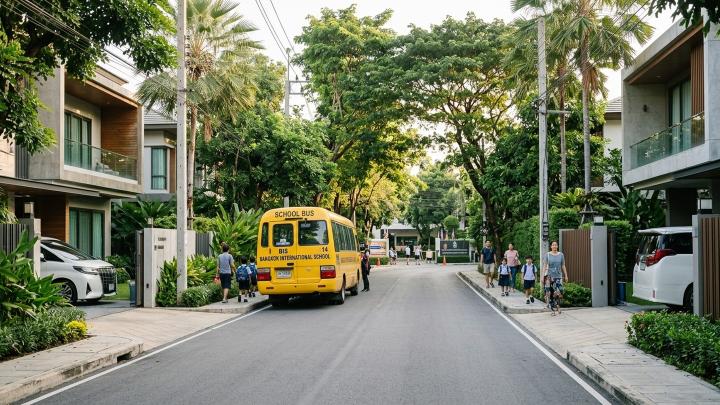
International school campus and family residential district in Bangkok
Education

Why School Location Dictates Your Neighborhood in Bangkok in 2026

Understanding Bangkok traffic realities: avoiding 2-hour daily school commutes, school hub mapping (Sukhumvit, Bang Na, Nonthaburi), and family well-being.

1 min ↗
Education

Why School Location Dictates Your Neighborhood in Bangkok in 2026

· Last reviewed: 23 September 2026 · Written by Ricardo Dos Santos
International school campus and family residential district in Bangkok
SawaLife Editorial / Authentic Documentary Photography

Understanding Bangkok traffic realities: avoiding 2-hour daily school commutes, school hub mapping (Sukhumvit, Bang Na, Nonthaburi), and family well-being.

For expat families relocating to Bangkok, the foundational real estate rule is absolute: select your children's school first, then secure housing within a 15-minute perimeter. Overlooking this principle condemns children and parents to 2 to 3 hours of grueling daily gridlock.


1. Bangkok International School Hubs & Neighborhood Alignment

Geographic Corridor Prominent International Schools Recommended Residential Areas
Core Sukhumvit (Soi 1 to 63) NIST, Bangkok Prep, Wells, St. Andrews Phrom Phong, Thonglor, Ekkamai
Bang Na & Srinakarin Belt Bangkok Patana, Berkeley, Concordian, ICS Bang Na, Udom Suk, Prawet
North Nonthaburi / Chaengwattana ISB (International School Bangkok), Harrow Nichada Thani, Pak Kret
Sathorn / Rama 3 Corridor LFIB (French School), King's College Sathorn, Chong Nonsi, Rama 3

2. The Commuting Overhead

School van transportation services provide door-to-door shuttles:

  • Annual Cost: 40,000 to 80,000 THB per student annually.
  • However, prolonged traffic congestion depletes energy and study focus. Living in walking or short shuttle distance protects family quality of life.

3. Frequently Asked Questions (FAQ)

What are popular family-focused expat enclaves?

Gated suburban master-communities like Nichada Thani (surrounding ISB) allow children to commute safely via bicycles and golf carts. In central Sukhumvit, mid-rise family condos near BTS stations remain prime choices.

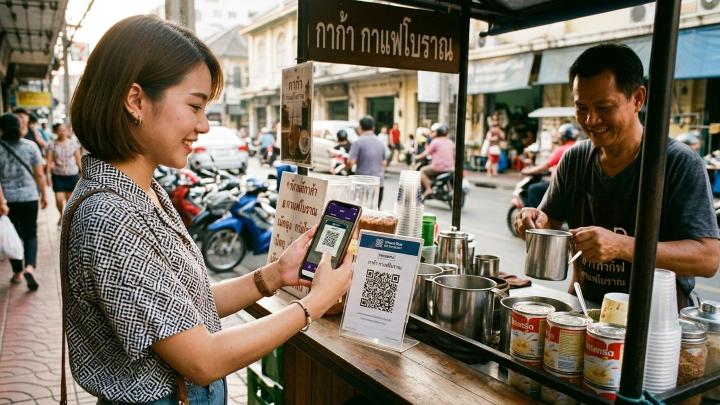
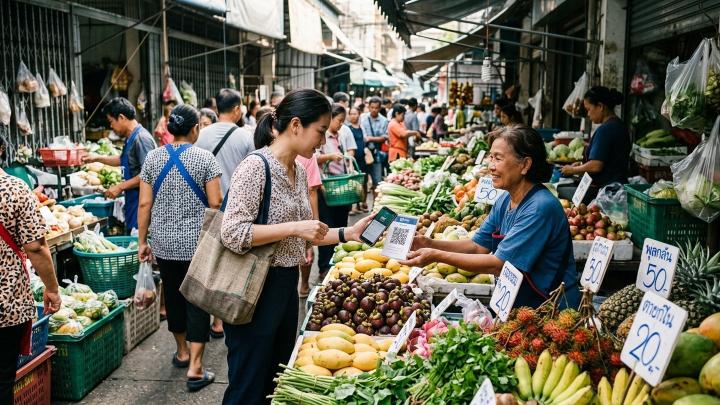
PromptPay QR payment terminal in active use at a Thai market stall
Banking

The Cashless Revolution: Why Thailand Runs on QR Codes in 2026

Inside the national PromptPay switch: why street vendors refuse large cash notes and cards, and practical cashless payment workarounds for foreign residents.

2 min ↗
Banking

The Cashless Revolution: Why Thailand Runs on QR Codes in 2026

· Last reviewed: 23 September 2026 · Written by Ricardo Dos Santos
PromptPay QR payment terminal in active use at a Thai market stall
SawaLife Editorial / Authentic Documentary Photography

Inside the national PromptPay switch: why street vendors refuse large cash notes and cards, and practical cashless payment workarounds for foreign residents.

From roadside fruit vendors to dental clinics and luxury department stores, one ubiquitous item sits on every counter in Thailand: the PromptPay QR Code. Thailand has evolved into one of the most sophisticated instant digital payment ecosystems in the world.


1. How PromptPay Operates

Engineered by the Bank of Thailand (BOT), PromptPay is a zero-fee, real-time interbank settlement network:

  • Zero Merchant Fees: Vendors avoid 2.5% to 3.5% credit card interchange processing costs.
  • Instant Settlement: Funds transfer directly into the merchant's account within seconds.
  • Digital Slips: Mobile banking apps automatically issue verifiable electronic receipt slips (e-slips).

2. Navigating the QR Economy as a Foreign Resident

Newcomers relying solely on foreign debit cards frequently face friction:

  • Street merchants often cannot break 1,000 THB cash banknotes.
  • Credit card terminals are absent in local fresh markets and food stalls.
  • Practical Solutions:
    1. Open a local Thai bank account (Bangkok Bank, Kasikornbank) to gain full mobile banking app access.
    2. Utilize TrueMoney Wallet foreign passport onboarding.

3. Frequently Asked Questions (FAQ)

Can foreign banking apps scan PromptPay QR codes directly?

Cross-border QR linkages currently operate with select regional partners (Singapore, Malaysia, Indonesia, Cambodia, Vietnam, Japan). Western banking apps require a local Thai checking/savings account.

Digital nomad working on laptop in modern Thai co-working cafe
Business

The Reality of Digital Nomads in Thailand in 2026: Beyond the Clichés

Behind the scenes of remote work in Thailand: Destination Thailand Visa (DTV) framework, fiber connectivity, discipline against distractions, and tax residency realities.

2 min ↗
Business

The Reality of Digital Nomads in Thailand in 2026: Beyond the Clichés

· Last reviewed: 23 September 2026 · Written by Ricardo Dos Santos
Digital nomad working on laptop in modern Thai co-working cafe
SawaLife Editorial / Authentic Documentary Photography

Behind the scenes of remote work in Thailand: Destination Thailand Visa (DTV) framework, fiber connectivity, discipline against distractions, and tax residency realities.

Working from a laptop on a tropical beach while sipping a fresh coconut is the defining imagery of digital nomad culture. In 2026, with the introduction of the official Destination Thailand Visa (DTV), legal remote work has become codified. But what does day-to-day productivity look like?


1. Technical & Legal Foundations in 2026

The Destination Thailand Visa (DTV)

  • Validity: 5 years, multiple entry.
  • Stay Allowance: 180 days per entry, extendable once by 180 days in-country.
  • Requirements: Proof of 500,000 THB in liquid savings and proof of foreign employment or remote consultancy.
  • Scope: Explicitly authorizes digital nomads to work for clients and employers located outside Thailand.

World-Class Connectivity

Thailand features among the fastest fixed broadband infrastructures globally:

  • 1 Gbps / 500 Mbps Home Fiber: 599 to 899 THB/month (AIS Fibre, True).
  • 5G Mobile Data packages: 450 to 750 THB/month.

2. Daily Productivity Challenges

  1. Managing Vacation Distractions: Maintaining standard 40-hour work weeks amidst tropical leisure environments demands strict structure.
  2. Timezone Coordination: Working with European clients requires afternoon-to-midnight operational hours (UTC+7).
  3. Combating Isolation: Thriving co-working hubs (The Hive, Yellow, True Digital Park) provide community and dedicated high-speed infrastructure.

3. Frequently Asked Questions (FAQ)

Can DTV holders invoice local Thai companies?

No. Servicing local Thai domestic clients requires a standard Non-B visa and a Ministry of Labour Work Permit.

Does the DTV establish tax residency?

Residing in Thailand for 180 or more days during a calendar year automatically triggers Thai tax tax resident status under Section 41 of the Revenue Code.

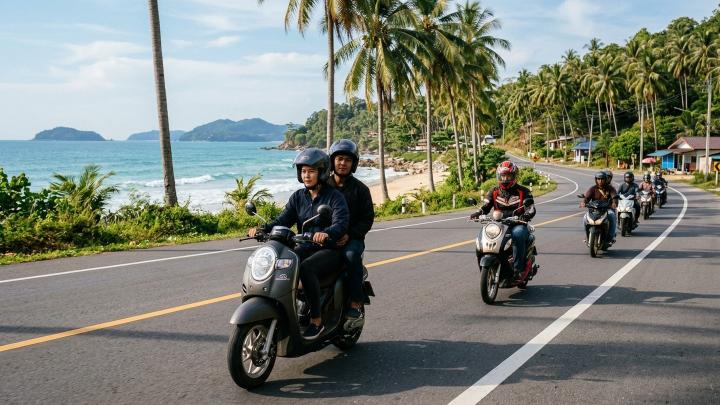
Motorbike traffic and transport dilemma in Thailand: mobility versus road safety
Travel

Do You Really Need a Scooter in Thailand? Mobility vs Safety in 2026

Objective mobility evaluation: why motorbikes are optional in Bangkok but essential on islands, accident statistics, and insurance prerequisites.

2 min ↗
Travel

Do You Really Need a Scooter in Thailand? Mobility vs Safety in 2026

· Last reviewed: 23 September 2026 · Written by Ricardo Dos Santos
Motorbike traffic and transport dilemma in Thailand: mobility versus road safety
SawaLife Editorial / Authentic Documentary Photography

Objective mobility evaluation: why motorbikes are optional in Bangkok but essential on islands, accident statistics, and insurance prerequisites.

Riding a scooter along coastal roads epitomizes tropical freedom in Thailand. Affordable to rent and fuel, motorbikes seem like the obvious choice. However, Thailand consistently records high traffic fatality statistics. In 2026, deciding whether to ride requires an objective risk-benefit calculation.


1. Geographic Necessity Breakdown

Destination Motorbike Necessity Available Public Transit Road Risk Assessment
Bangkok Not Recommended Superb BTS, MRT, affordable meter taxis, Grab High (Congestion, expressways ban motorbikes)
Chiang Mai Convenient Songthaews, Grab, bicycle friendly zones Moderate (Moderate speeds in city center)
Phuket Useful but Risky Expensive taxi cartels, limited buses High (Steep coastal hills, intoxicated tourists)
Koh Samui / Phangan Essential Extremely scarce public transport High (Steep unpaved gradients, gravel, sand)
Hua Hin Helpful Main strip songthaews, walkable core Low to Moderate

2. Mandatory Legal Requirements

  1. 1949 Convention IDP: You must hold a valid International Driving Permit with Category A (motorcycle) endorsement.
  2. Insurance Invalidation: Operating a two-wheeler on a car-only permit voids private health and travel insurance coverage.
  3. Certified Helmets: Mandatory for both driver and passenger.

3. Frequently Asked Questions (FAQ)

How much does monthly scooter rental cost in 2026?

A reliable 125cc scooter (Honda Click or Yamaha Grand Filano) rents for 3,000 to 4,500 THB/month.

Can a foreigner legally buy and register a scooter in Thailand?

Yes. With a valid visa and an official Certificate of Residence from Immigration, you can register a green ownership book (Lehm Kieow) in your own name at the Department of Land Transport (DLT).

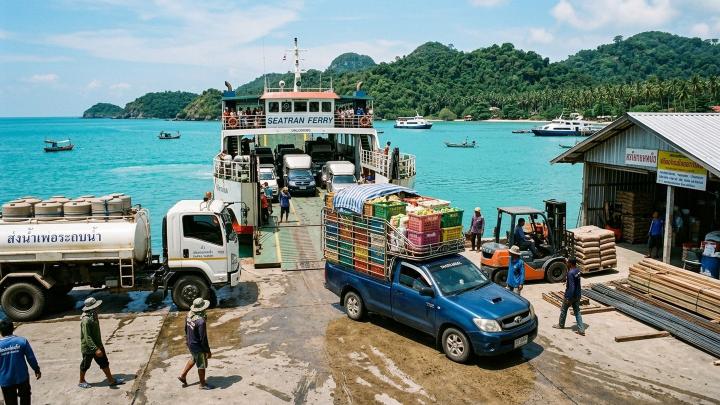
Koh Samui tropical coastline depicting the logistics and real estate costs of the Island Premium
Cost of Living

The Island Premium: Why Living on Thai Islands Costs 20% to 45% More in 2026

Deconstructing the structural drivers of island costs: maritime freight, freshwater delivery, private power, transport monopolies, and medical premiums.

2 min ↗
Cost of Living

The Island Premium: Why Living on Thai Islands Costs 20% to 45% More in 2026

· Last reviewed: 23 September 2026 · Written by Ricardo Dos Santos
Koh Samui tropical coastline depicting the logistics and real estate costs of the Island Premium
SawaLife Editorial / Authentic Documentary Photography

Deconstructing the structural drivers of island costs: maritime freight, freshwater delivery, private power, transport monopolies, and medical premiums.

Relocating to a tropical Thai island like Koh Samui, Koh Phangan, Koh Tao, or Phuket represents the quintessential tropical dream. However, island life carries a structural economic surcharge known as the Island Premium, elevating baseline living expenses by 20% to 45% over mainland cities.


1. The 4 Structural Drivers of Island Costs

1. Maritime Logistics & Fuel Surcharges

Every carton of milk, building material, and liter of fuel must cross maritime channels on commercial ferries from ports in Surat Thani or Chumphon, imposing an automatic 10% to 25% markup on retail goods.

2. Freshwater Delivery & Power Grid Variations

Smaller islands feature limited municipal water networks. Private residential villas routinely purchase trucked freshwater deliveries costing 400 to 800 THB per 2,000-liter load.

3. Local Transportation Cartels

Without public mass transit networks, local island songthaews and private taxis enforce elevated flat rates, often charging 300 to 500 THB ($9–$15) for short 5-kilometer hops. Personal vehicle ownership becomes a necessity.

4. Healthcare Surcharges & Medevac Logistics

Private island hospital care commands higher fees. Severe trauma cases requiring medical evacuation by speedboat or helicopter to mainland tertiary centers cost between 100,000 and 450,000 THB.


2. Cost Comparison: Mainland vs Island Living (in THB)

Expense Item Mainland (Chiang Mai / Hua Hin) Tourist Island (Koh Samui / Phangan) Variance
Weekly Supermarket Basket 2,500 THB 3,400 THB +36%
2-Bed Pool Villa Rent 25,000 THB 42,000 THB +68%
Short Taxi Ride (5 km) 80 – 120 THB 300 – 500 THB +250%
Cooking Gas Cylinder (15 kg) 420 THB 540 THB +28%

3. Frequently Asked Questions (FAQ)

Does Phuket experience the same freight markup as Koh Samui?

Because Phuket connects to the mainland via Sarasin Bridge, road cargo keeps grocery retail prices closer to Bangkok rates, although taxi and rental costs remain premium.

Northern Thailand mountain landscape and PM2.5 air quality monitoring
Healthcare

PM2.5 Air Pollution: How to Choose Where to Live in Thailand in 2026

Medical and environmental analysis: agricultural burning season in Northern Thailand, winter temperature inversions in Bangkok, HEPA mitigation, and relocation tactics.

2 min ↗
Healthcare

PM2.5 Air Pollution: How to Choose Where to Live in Thailand in 2026

· Last reviewed: 23 September 2026 · Written by Ricardo Dos Santos
Northern Thailand mountain landscape and PM2.5 air quality monitoring
SawaLife Editorial / Authentic Documentary Photography

Medical and environmental analysis: agricultural burning season in Northern Thailand, winter temperature inversions in Bangkok, HEPA mitigation, and relocation tactics.

Air quality has emerged as a top health consideration for residents living in Thailand. Annually between January and April, elevated levels of fine particulate matter (PM2.5) affect specific regions of the country.


1. Geographic PM2.5 Peak Calendar

Region Peak Risk Period Primary Drivers Average Peak AQI
Chiang Mai & Northern Valley Mid-Feb to Late April Regional agricultural burning + valley basin topography 150 – 350+ (Unhealthy to Hazardous)
Bangkok & Central Plains December to February Vehicular emissions + winter temperature inversions 120 – 190 (Unhealthy for sensitive groups)
Isan Agricultural Plains February to April Sugarcane and rice paddock burning 130 – 220 (Unhealthy)
Phuket, Krabi & Southern Islands Clean year-round Constant maritime ocean breeze 15 – 45 (Good / Clean)
Hua Hin & Coastal Strip Jan to Feb (Mild) Rapid coastal ventilation 40 – 80 (Moderate)

2. Northern Thailand's "Burning Season"

In Chiang Mai, Chiang Rai, and Mae Hong Son, agricultural clearing coincides with atmospheric stagnation, trapping smoke against surrounding mountain ranges.

  • The Expat Coping Strategy: Many seasoned nomads and retirees maintain a "snowbird" lifestyle, relocating south to Phuket or Koh Samui between February and April.

3. Essential Home Health Safeguards

  1. True HEPA Air Purifiers: Install dedicated units in bedrooms and work spaces (e.g., Xiaomi, Daikin).
  2. Certified N95 / FFP2 Masks: Standard blue surgical masks do not capture particles under 2.5 microns.
  3. Sealed Condo Frames: Ensure apartment sliding doors have proper weather-stripping.

4. Frequently Asked Questions (FAQ)

Which app accurately tracks Thai air pollution?

IQAir (AirVisual) and Air4Thai (the official app of the Thai Pollution Control Department) offer reliable live hourly station data.

Is Southern Thailand consistently free from smog?

Yes. Phuket, Krabi, Koh Samui, and Koh Phangan enjoy clean maritime air throughout the entire calendar year.

Tropical seascape and monsoon clouds showing regional weather patterns in Thailand
Travel

Understanding Monsoon Seasons by Region in Thailand (2026 Weather Guide)

Complete meteorological breakdown: Andaman Sea vs Gulf of Thailand monsoon offset, flash flooding preparedness, and seasonal living realities.

2 min ↗
Travel

Understanding Monsoon Seasons by Region in Thailand (2026 Weather Guide)

· Last reviewed: 23 September 2026 · Written by Ricardo Dos Santos
Tropical seascape and monsoon clouds showing regional weather patterns in Thailand
SawaLife Editorial / Authentic Documentary Photography

Complete meteorological breakdown: Andaman Sea vs Gulf of Thailand monsoon offset, flash flooding preparedness, and seasonal living realities.

The term "monsoon season" often conjures images of non-stop torrential downpours for months on end. In reality, Thailand's climate is governed by two distinct monsoon wind systems that create substantial weather differences between the Andaman Coast and the Gulf of Thailand.


1. Regional Weather Calendar Breakdown

Region / Destination Primary Monsoon Window Peak Rainfall Months Prime Dry Season
Andaman Coast (Phuket, Krabi, Lanta) May to October September – October December to April
Gulf Coast (Koh Samui, Phangan, Tao) October to December November – Early Dec January to August
Bangkok & Central Plains June to October September – October November to February
Chiang Mai & Northern Highlands May to October August – September November to February
Hua Hin & Western Gulf September to November October – November December to May

2. The Andaman vs Gulf Weather Offset

A key geographic advantage of Thailand is the meteorological offset between its two coastlines:

  • When the West Coast (Phuket, Krabi) experiences the Southwest Monsoon with choppy seas in July and August, Gulf islands (Samui, Phangan) enjoy predominantly sunny skies and calm swimming conditions.
  • Conversely, in November, when Phuket enters peak dry season, Koh Samui experiences the Northeast Monsoon and its heaviest rainfall of the year.

3. Practical Tips for Everyday Living During Rainy Season

  1. Tropical Rain Dynamics: Showers typically occur in intense 45-minute bursts during late afternoons rather than continuous all-day rain.
  2. Flash Flooding in Bangkok: Certain low-lying side streets (sois) in Sukhumvit experience localized water accumulation. Check street drainage before signing a long-term lease.
  3. Humidity Control: Run air conditioning units on "Dry" mode once weekly to prevent tropical mold formation in closets.

4. Frequently Asked Questions (FAQ)

Are national marine parks open year-round?

No. Certain offshore marine reserves (such as the Similan and Surin Islands) close strictly from May 15 to October 15 for ecological rehabilitation and maritime safety. Major inhabited islands remain fully operational year-round.

Official government documentation and reliable legal research in Thailand 2026
Moving to Thailand

How to Find Reliable Information on Thailand in 2026: Official Sources vs Rumors

Essential methodology for discerning verified legal statutes (Royal Gazette, Immigration, Revenue Dept) from social media rumors and outdated blogs.

2 min ↗
Moving to Thailand

How to Find Reliable Information on Thailand in 2026: Official Sources vs Rumors

· Last reviewed: 23 September 2026 · Written by Ricardo Dos Santos
Official government documentation and reliable legal research in Thailand 2026
SawaLife Editorial / Authentic Documentary Photography

Essential methodology for discerning verified legal statutes (Royal Gazette, Immigration, Revenue Dept) from social media rumors and outdated blogs.

In Thailand, misinformation travels fast across social media groups and expat message boards. Whether discussing foreign income taxation (Section 41), DTV requirements, or TM30 enforcement, anecdotal accounts are frequently mistaken for legal statutes. In 2026, protecting your legal standing requires knowing how to verify rules at the official source.


1. Hierarchy of Verified Legal Authorities in Thailand

To determine whether a regulation is enforceable, always refer to this verification hierarchy:

  1. Tier 1: The Royal Gazette (Ratchakitchanubeksa): The official government gazette of the Kingdom. No statute, Royal Decree, or Ministerial regulation possesses legal force until published here.
  2. Tier 2: Official Government Portals (.go.th):
    • Immigration Bureau: immigration.go.th
    • Revenue Department: rd.go.th
    • Department of Land Transport: dlt.go.th
    • Ministry of Foreign Affairs: mfa.go.th
  3. Tier 3: Royal Thai Embassies & Official e-Visa Portal: thaievisa.go.th.
  4. Tier 4 (Use with caution): Expat forums, Facebook groups, and unverified blogs, which often confuse personal luck with statutory law.

2. Red Flags of Misinformation

  • "My friend did this yesterday": Discretionary leniency at a remote border post does not establish legal precedent at Suvarnabhumi Airport.
  • Undated advice: Immigration regulations evolve swiftly. Articles older than 6 months without verification stamps are frequently outdated.
  • "Guaranteed" visa bypass services: Agents claiming to bypass mandatory bank deposit requirements often use fraudulent documentation that risks deportation.

3. Frequently Asked Questions (FAQ)

Where can I access official Double Taxation Agreements (DTA)?

The complete library of bilateral tax treaties is available in official English and Thai on the Revenue Department portal (rd.go.th).

Do Thai immigration officers have discretionary power?

Yes. Under the Immigration Act of 1979, border officers hold statutory discretion to verify financial means and genuine traveler intent upon entry.

Peaceful Thai street depicting settlement and avoiding the common first 90 days expat mistakes
Moving to Thailand

Top Expat Mistakes in the First 90 Days in Thailand (2026 Guide)

Essential preventive guide for newcomers: premature 12-month leases, TM30 compliance oversights, unverified landlord deposits, and driving license traps.

2 min ↗
Moving to Thailand

Top Expat Mistakes in the First 90 Days in Thailand (2026 Guide)

· Last reviewed: 23 September 2026 · Written by Ricardo Dos Santos
Peaceful Thai street depicting settlement and avoiding the common first 90 days expat mistakes
SawaLife Editorial / Authentic Documentary Photography

Essential preventive guide for newcomers: premature 12-month leases, TM30 compliance oversights, unverified landlord deposits, and driving license traps.

The first three months of living in Thailand are critical. During this initial honeymoon phase, over 80% of preventable financial and administrative missteps occur.


1. The 5 Major Expat Pitfalls and How to Avoid Them

Mistake 1: Signing a 12-Month Lease Immediately

Rushing into a full-year contract before understanding neighborhood micro-climates, traffic choke points, or nearby construction sites is the most common mistake.

  • Best Practice: Book 30 days in a serviced residence to test commute times, noise levels, and walkability before committing.

Mistake 2: Overlooking the TM30 Residence Notification

Under Section 38 of the Thai Immigration Act, property owners must register foreign guests within 24 hours. Missing this registration blocks banking, driving license applications, and visa extensions.

  • Best Practice: Obtain your official TM30 receipt immediately upon check-in.

Mistake 3: Riding a Scooter Without the 1949 IDP Motorcycle Endorsement

Operating a motorbike on a car-only license or non-1949 convention permit invalidates health and travel insurance in the event of an accident.

  • Best Practice: Carry a valid 1949 Geneva Convention IDP with Category A endorsement and convert to a local DLT license promptly.

Mistake 4: Wiring Deposits to Unverified Agents

Never transfer rental deposits based on social media listings before inspecting the physical unit and reviewing the landlord's title deed (Chanote).

Mistake 5: Missing the 90-Day Report (TM47)

Staying 90 consecutive days in Thailand mandates filing form TM47. Late reporting incurs fines of 2,000 to 5,000 THB.


2. 90-Day Settlement Checklist

  • Verified TM30 receipt secured.
  • Local bank account with PromptPay activated.
  • Comprehensive international health coverage in place.
  • 90-day reporting deadline saved in calendar with 15-day advance reminder.
Urban panorama comparing Bangkok, Chiang Mai, Phuket, Hua Hin and Pattaya for everyday living
Travel

Comparing Thai Cities for Everyday Living in 2026: Bangkok, Chiang Mai, Phuket, Hua Hin, Pattaya

Multi-criteria comparison of Bangkok, Chiang Mai, Phuket, Hua Hin, and Pattaya: hospitals, public transport, rents, air quality, and expat communities.

2 min ↗
Travel

Comparing Thai Cities for Everyday Living in 2026: Bangkok, Chiang Mai, Phuket, Hua Hin, Pattaya

· Last reviewed: 23 September 2026 · Written by Ricardo Dos Santos
Urban panorama comparing Bangkok, Chiang Mai, Phuket, Hua Hin and Pattaya for everyday living
SawaLife Editorial / Authentic Documentary Photography

Multi-criteria comparison of Bangkok, Chiang Mai, Phuket, Hua Hin, and Pattaya: hospitals, public transport, rents, air quality, and expat communities.

Selecting where to settle in Thailand extends far beyond choosing between tropical beaches and northern mountains. In 2026, transit connectivity, density of internationally accredited (JCI) hospitals, residential rental prices, and seasonal air quality (PM2.5) dictate long-term satisfaction.


1. Multi-Criteria Comparison Table of Top 5 Destinations

Evaluation Criteria Bangkok Chiang Mai Phuket Hua Hin Pattaya (Chonburi)
Average Rent (1-Bed Condo) 18,000 – 35,000 THB 10,000 – 18,000 THB 22,000 – 45,000 THB 14,000 – 24,000 THB 12,000 – 22,000 THB
Mass Transit System World-class (BTS, MRT, SRT) Minimal (Songthaew / Grab) Very poor (Taxi monopolies) Limited (Local songthaews) Moderate (Circular Baht buses)
JCI Accredited Hospitals Unmatched (Bumrungrad, MedPark) Very Good (Bangkok Hospital CM) Good (Bangkok Hospital Phuket) Good (Bangkok Hospital Hua Hin) Good (Bangkok Hospital Pattaya)
Air Quality (Feb–April) Moderate to Poor Severe (Agricultural burning) Excellent (Maritime sea breeze) Good Moderate
Target Expat Profile Professionals, DTV, Families Digital Nomads, Creatives Beach lovers, High-net-worth Peaceful Retirees, Golfers Active Retirees, Budget expats

2. In-Depth City Breakdown

Bangkok: The Hyper-Connected Global Hub

Bangkok provides unparalleled urban convenience: mega-malls, world-leading private hospitals, Michelin dining, and air-conditioned elevated transit.

  • Pros: Endless networking, career opportunities, top-tier medical infrastructure.
  • Cons: Urban sprawl, heat island effect, winter smog periods.

Chiang Mai: The Cultural Northern Capital

Surrounded by misty mountains, Chiang Mai offers relaxed artisan cafe culture, co-working spaces, and low housing costs.

  • Pros: Relaxed lifestyle, vibrant nomad community, affordable living.
  • Cons: Severe annual smoke season from February through April requires seasonal relocation.

Phuket: The Premier Island Lifestyle

Phuket combines island scenery with international amenities including reputable IB world schools and direct global flight routes.

  • Pros: Beautiful coastlines, top international education facilities.
  • Cons: High living costs and steep local transport prices.

3. Frequently Asked Questions (FAQ)

Can you easily live in Bangkok without a car or scooter?

Yes. Living within a 5-minute walk of a BTS Skytrain or MRT Subway station makes personal vehicle ownership completely unnecessary.

Which city is best for retirement?

Hua Hin is widely recognized as the premier destination for peaceful seaside retirement, offering excellent private healthcare, golf courses, and a mature community.

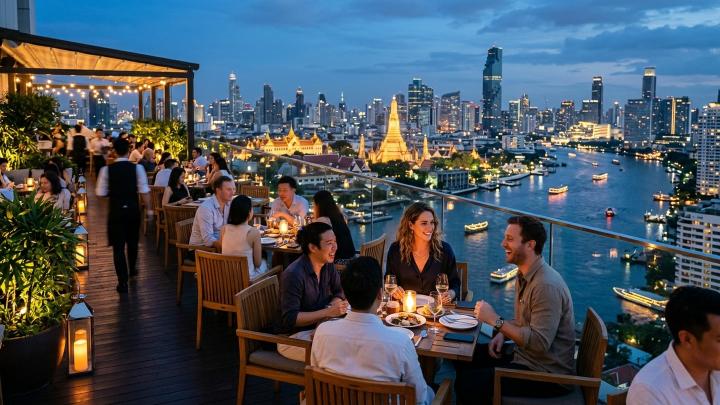
Bangkok rooftop restaurant showing holiday perception vs real daily living costs in Thailand
Cost of Living

Why Holidays Feel Cheap but Living Long-Term Costs More in Thailand 2026

Deconstructing the vacation perception bias: how transition from temporary traveler to long-term resident reveals hidden recurring fixed costs.

2 min ↗
Cost of Living

Why Holidays Feel Cheap but Living Long-Term Costs More in Thailand 2026

· Last reviewed: 23 September 2026 · Written by Ricardo Dos Santos
Bangkok rooftop restaurant showing holiday perception vs real daily living costs in Thailand
SawaLife Editorial / Authentic Documentary Photography

Deconstructing the vacation perception bias: how transition from temporary traveler to long-term resident reveals hidden recurring fixed costs.

Nearly every traveler spending three weeks in Thailand leaves with the same conviction: with $9 Thai massages, $2 street food dishes, and charming hotel rooms for $35/night, living here full-time must cost virtually nothing. Yet once settled as a permanent resident, the financial equation shifts dramatically.


1. The Vacation Perception Bias

During a short vacation, travelers only encounter marginal variable expenses. They bypass all structural overheads that define long-term expat life:

  • No annual comprehensive international health insurance policies ($1,500–$4,500/year).
  • No continuous electricity bills for daily air conditioning ($100–$200/month).
  • No annual visa maintenance fees, legal paperwork, or blocked bank deposits.
  • No vehicle depreciation, maintenance, or tropical appliance wear-and-tear.

2. Comparison Table: Vacationer vs. Long-Term Resident Costs

Expense Area Vacationer Experience (2 Weeks) Resident Reality (Annual Basis)
Housing Hotels/Airbnb with daily housekeeping and electricity included 12-month lease, 2-month deposit, separate electricity billing
Healthcare Basic travel insurance bundled with credit card Full comprehensive inpatient/outpatient policy with high guarantees
Food & Dining Exciting street food discoveries at every meal Routine home cooking, cravings for imported Western comfort foods
Mobility Casual Grab rides, tuk-tuks, and airport transfers Owning/leasing a motorbike or car, insurance, and DLT driving license
Legal Status Free 60-day visa exemption stamp at immigration Locked funds in Thai bank (400k–800k THB), 90-day reports, visa renewals

3. The Three Pitfalls of the "Endless Holiday" Mindset

  1. Daily Entertainment Spending: Dining out at Western bistros and beach clubs every evening quickly matches European or US expense levels.
  2. Skipping Health Coverage: Operating without comprehensive medical insurance leads to catastrophe if an intensive care hospitalisation is required.
  3. Ignoring Apartment Orientation: Renting top-floor units facing west dramatically increases cooling costs.

4. Frequently Asked Questions (FAQ)

Why are imported Western groceries heavily taxed in Thailand?

Thailand levies protective import tariffs on foreign agricultural and luxury goods, especially dairy products, processed meats, and alcoholic beverages.

Can an expat still maintain a low budget long term?

Yes, by adopting a predominantly local lifestyle: provincial housing, traditional fresh market cooking, and local community amenities.

Local Thai market and daily life illustrating the true cost of living in Thailand in 2026
Cost of Living

The Real Cost of Living in Thailand in 2026: Detailed Budget Breakdown

Comprehensive 2026 economic analysis: realistic monthly budgets for singles and families, electricity spikes, private healthcare, and local vs imported groceries.

3 min ↗
Cost of Living

The Real Cost of Living in Thailand in 2026: Detailed Budget Breakdown

· Last reviewed: 23 September 2026 · Written by Ricardo Dos Santos
Local Thai market and daily life illustrating the true cost of living in Thailand in 2026
SawaLife Editorial / Authentic Documentary Photography

Comprehensive 2026 economic analysis: realistic monthly budgets for singles and families, electricity spikes, private healthcare, and local vs imported groceries.

The myth of living luxuriously in Thailand for $500 a month belongs to 1990s travel lore. In 2026, while Thailand remains remarkably good value compared to North America or Western Europe, the actual cost of long-term residence depends heavily on your housing standards, eating habits, and health coverage requirements.


1. Three Realistic Monthly Budget Models for 2026

Here is a detailed breakdown of monthly living expenses across three typical expat profiles:

Monthly Expense Category Frugal Solo (Chiang Mai / Isan) Comfortable Solo (Bangkok / Hua Hin) Expat Family (2 Adults + 1 Child in Bangkok/Phuket)
Housing (Modern Condo / Pool Villa) 9,000 – 14,000 THB 22,000 – 35,000 THB 45,000 – 80,000 THB
Utilities (MEA/PEA Electric, Water, 1Gbps Fiber) 2,000 – 3,500 THB 4,500 – 7,000 THB 8,000 – 14,000 THB
Food & Dining (Local markets vs Western dining) 10,000 – 15,000 THB 20,000 – 32,000 THB 38,000 – 60,000 THB
Transportation (Motorbike / Transit / Family SUV) 2,500 – 4,000 THB 5,000 – 9,000 THB 14,000 – 25,000 THB
Comprehensive Health Insurance (IPD + OPD) 3,500 – 5,500 THB 6,500 – 12,000 THB 18,000 – 32,000 THB
Fitness, Hobbies & Social Life 4,000 – 8,000 THB 12,000 – 22,000 THB 20,000 – 40,000 THB
Annual Visa Sinking Fund & Legal Retainers 1,500 – 2,500 THB 3,000 – 5,000 THB 6,000 – 10,000 THB
International Schooling (per child) — — 35,000 – 75,000 THB / month
TOTAL ESTIMATED MONTHLY 32,500 – 52,500 THB (~$900 – $1,450) 73,000 – 122,000 THB (~$2,050 – $3,450) 184,000 – 336,000 THB (~$5,150 – $9,450)

2. Unanticipated Costs for Newcomers

Electricity Consumption and Climate Realities

Official utility electricity tariffs (MEA in Bangkok, PEA in the provinces) average 4.20 to 4.80 THB per kWh.

  • Running inverter air conditioners for 14 hours daily costs between 3,500 and 5,500 THB per month.
  • Older residential buildings lacking insulation and inverter units frequently see monthly electric bills surpassing 8,000 to 11,000 THB.

Sub-metering markups: Ensure your lease contract specifies that utility bills are paid directly at government rates. Landlords charging flat rates of 8 to 10 THB/unit are operating against Consumer Protection Board standards.

Grocery Shopping: Local vs Western Diet

  • Local food: Traditional fresh markets (Talat) offer seasonal fruits, vegetables, eggs, and chicken at a fraction of Western supermarket prices.
  • Imported goods: Western dairy, European cheese, wine, and Australian steaks at Gourmet Market or Villa Market carry heavy customs duties that can quickly triple your grocery expenses.

3. Geographic Price Disparities Across Thailand

  1. Bangkok: Higher condo rents in prime central zones (Sukhumvit, Silom, Ari), balanced by inexpensive rapid mass transit (BTS/MRT) and high hospital density.
  2. Phuket & Samui: Islands command a 20% to 35% premium on transportation, dining out, and residential villa rentals.
  3. Chiang Mai & Hua Hin: Premier quality-to-cost ratio, offering modern living at rents 35% lower than Bangkok.
  4. Isan & Provincial Heartland: Ultra-low cost of living for retirees willing to adopt a fully localized Thai lifestyle.

4. Frequently Asked Questions (FAQ)

What is a comfortable monthly income for a single expat in 2026?

A net income of 60,000 to 80,000 THB (approx. $1,700 to $2,250 USD) provides an excellent standard of living, including a modern high-rise condo, private medical insurance, and regular leisure activities.

What is the standard rental deposit in Thailand?

The standard deposit for a 12-month lease is 2 months of security deposit plus 1 month of rent in advance.

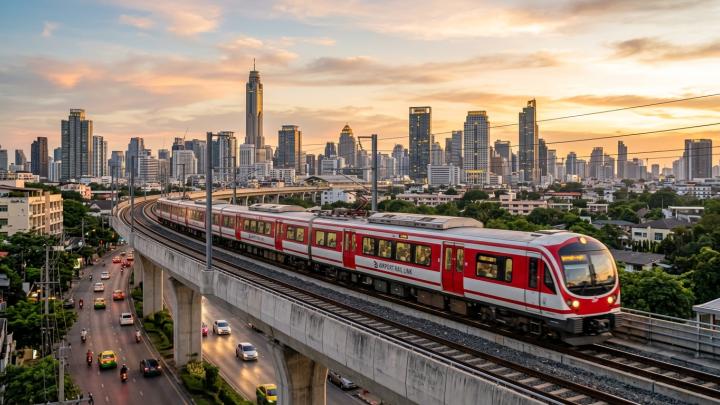
Bangkok Airport Rail Link commuter train
Travel

Bangkok Airport Rail Link: Complete Transit Guide from Suvarnabhumi Airport to City Center

The Airport Rail Link (ARL) connects Suvarnabhumi International Airport to central Bangkok in under 30 minutes at an economical fare. Discover stations, BTS/MRT interchanges, ticketing, and luggage tips.

3 min ↗
Travel

Bangkok Airport Rail Link: Complete Transit Guide from Suvarnabhumi Airport to City Center

· Last reviewed: 20 September 2026 · Written by Ricardo Dos Santos
Bangkok Airport Rail Link commuter train
SawaLife Transit & Urban Mobility

The Airport Rail Link (ARL) connects Suvarnabhumi International Airport to central Bangkok in under 30 minutes at an economical fare. Discover stations, BTS/MRT interchanges, ticketing, and luggage tips.

Fast and Reliable Airport-to-Downtown Transit

The Bangkok Airport Rail Link (ARL) offers the fastest, most reliable, and most economical transit method connecting Suvarnabhumi International Airport (BKK) directly to downtown Bangkok. Operating along a 28.6-kilometer elevated rail viaduct, the ARL bypasses surface highway gridlock entirely.

The journey between the airport terminal and the western terminus at Phaya Thai takes 26 to 30 minutes, with one-way fares ranging from 15 to 45 THB (approx. $0.45 to $1.30 USD).

Suvarnabhumi Airport Rail Link station concourse


Route Overview and Key Transit Interchanges

The line features 8 elevated and underground stations:

  1. Suvarnabhumi (A1): Located on Basement Level (Floor B) of the main airport passenger terminal.
  2. Lat Krabang (A2): Serves eastern residential suburbs and KMITL university.
  3. Ban Thap Chang (A3): Suburban residential district.
  4. Hua Mak (A4): Future connection point to the Yellow Line Monorail.
  5. Ramkhamhaeng (A5): Commercial and educational district.
  6. Makkasan (A6): Major Interchange with the MRT Blue Line (Phetchaburi Station) via an enclosed, pedestrian skywalk bridge (150 meters). Provides direct underground access to Sukhumvit (Asok), Silom, Chinatown (Wat Mangkon), and Krung Thep Aphiwat Central Terminal.
  7. Ratchaprarop (A7): Provides direct access to the Pratunam wholesale garment market and Baiyoke Sky Tower.
  8. Phaya Thai (A8): Western Terminus and Direct Interchange with the BTS Sukhumvit Line. Enables fast connections to Siam Central, Nana, Asok, and Chatuchak Weekend Market (Mo Chit).

Step-by-Step Directions from the Arrivals Hall

Upon collecting your luggage and clearing customs on Level 2 (Arrivals):

  1. Follow the overhead directional signage reading "Train to City / Airport Rail Link".
  2. Take the elevators or downward travelators directly to Level B (Basement).
  3. The station concourse houses automated ticketing kiosks (supporting English and Thai interfaces), staffed ticketing windows, and currency exchange booths (such as SuperRich and Value Plus) offering competitive rates.

Ticketing, Fares, and Operating Hours

1. Distance-Based Fare Matrix

Fares are calculated based on the total number of stations traveled:

  • Suvarnabhumi to Hua Mak: 25 THB
  • Suvarnabhumi to Makkasan (MRT Interchange): 35 THB
  • Suvarnabhumi to Phaya Thai (BTS Interchange): 45 THB

2. Fare Payment Methods

  • Single-Journey Tokens: Purchased at touch-screen ticket vending machines using Thai Baht coins and banknotes. Tap the token against the RFID gate sensor upon entry and deposit it into the turnstile slot upon exit.
  • Contactless EMV Bank Cards: Supported Visa and Mastercard contactless cards, as well as compatible transit Smart Passes, can be tapped directly at enabled automated fare gates.

3. Service Schedule and Train Frequency

  • Operating Hours: Daily from 05:30 AM to 12:00 Midnight.
  • Train Frequency: Trains depart every 10 to 12 minutes during peak weekday commuter hours (07:00–09:00 and 17:00–19:30), and every 15 minutes during off-peak periods and weekends.

Transit Comparison: Airport Rail Link vs. Metered Taxi / Ride-Hailing

Comparison Factor Airport Rail Link (ARL) Metered Public Taxi (Level 1) Ride-Hailing (Grab / Bolt)
Typical Cost 15 – 45 THB per traveler 250 – 450 THB (metered fare + expressway tolls + 50 THB airport surcharge) 350 – 550 THB (dynamic pricing based on traffic demand)
Travel Duration 26 – 30 minutes (fixed time, zero traffic delay) 40 – 90 minutes (subject to highway traffic conditions) 40 – 90 minutes (subject to highway traffic conditions)
Luggage Convenience Air-conditioned cars with baggage clearance, crowded during peak commuter hours Dedicated luggage trunk directly to hotel doorstep Door-to-door direct service
Best Suited For Solo travelers, couples, backpackers, budget-conscious travelers Families, travelers with heavy luggage, late-night arrivals past midnight Travelers seeking app-based booking and electronic receipt tracking

Practical Recommendations for Passengers

  • Commuter Rush Hours: Between 07:30–09:00 AM and 17:30–19:00 PM, trains heading towards downtown carry heavy local commuter traffic. Allow slight extra time if navigating with multiple full-sized suitcases.
  • Currency for Kiosks: Automated ticket machines accept 20, 50, and 100 THB banknotes along with 1, 5, and 10 THB coins. Staffed booths can break larger 500 and 1,000 THB notes.
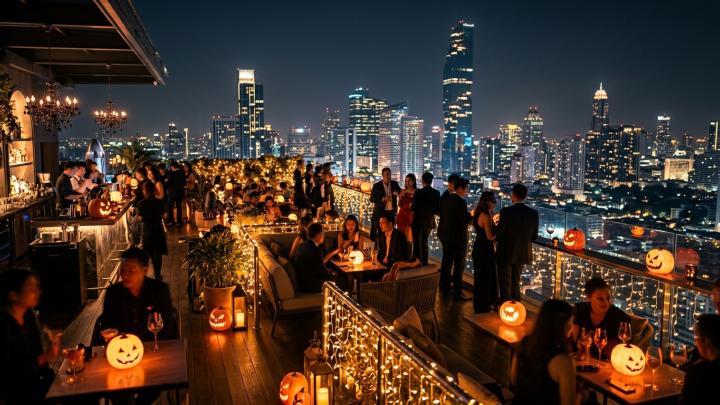
Halloween themed rooftop lounge in Bangkok
Travel

Halloween Celebrations in Bangkok: Top Districts, Nightlife Events, and Festive Highlights

Every late October, the Thai capital transforms into a vibrant hub of themed rooftop parties, street costume carnivals, and cultural entertainment. Here is the definitive city guide.

2 min ↗
Travel

Halloween Celebrations in Bangkok: Top Districts, Nightlife Events, and Festive Highlights

· Last reviewed: 20 September 2026 · Written by Ricardo Dos Santos
Halloween themed rooftop lounge in Bangkok
SawaLife Lifestyle & Urban Culture

Every late October, the Thai capital transforms into a vibrant hub of themed rooftop parties, street costume carnivals, and cultural entertainment. Here is the definitive city guide.

The Rise of Halloween Festivities in the Thai Capital

While Halloween is not a traditional Thai observance, Bangkok has developed into one of Southeast Asia's most dynamic capitals for late-October celebrations. Combining a celebrated nightlife infrastructure with creative hospitality concepts, the metropolis delivers diverse entertainment options ranging from open-air street gatherings to sophisticated high-altitude galas.

Festive evening nightlife in Bangkok


Prime Nightlife Districts and Street Festivals

1. Khao San Road: The Grand Street Costume Carnival

Every October 31st, Khao San Road transforms into a vibrant outdoor street festival. Thousands of international visitors and local residents gather in elaborate costumes. Pop-up makeup stations, official costume competitions, and open-air music venues animate the entire pedestrian strip until late hours.

2. Silom (Soi 2 & Soi 4): High-Energy Performance Venues

The Silom entertainment corridor is celebrated for its theatrical productions, world-class DJ sets, and renowned costume contests. Venues feature full-scale seasonal transformations, offering an inclusive and vibrant festive environment.

3. Sukhumvit (Thong Lo & Ekkamai): Premium Clubs and Themed Galas

For travelers seeking upscale nightlife, Thong Lo and Ekkamai host Bangkok’s premier nightclubs. These venues routinely curate immersive interior designs, feature international headlining DJs, and enforce creative dress codes.


Elevated Rooftop Lounges and Skyline Gatherings

Bangkok's iconic skyscrapers offer elevated perspectives over the illuminated skyline:

  • Sathorn & Riverside Venues: High-altitude terraces overlooking the Chao Phraya River curate specialty seasonal mixology menus and themed culinary experiences.
  • Sukhumvit & Ploenchit Corridors: Lounges situated between the 30th and 60th floors offer sophisticated ambiance, ambient lighting, and panoramic vistas.

Family-Friendly Attractions and Daytime Events

Halloween entertainment extends beyond nocturnal venues:

  • Major Retail Complexes (Siam Paragon, CentralWorld, ICONSIAM): Themed pop-up installations, interactive cosplay parades, and children’s entertainment zones.
  • Amusement Destinations (Dream World & Siam Amazing Park): Seasonal haunted walk-throughs and family-friendly costumed performances.

Practical Planning and Transit Guidance

Operational Aspect Essential Guidance
Public Transit Use the elevated BTS Skytrain and underground MRT until midnight to bypass downtown road congestion. Ride-hailing services experience peak surge pricing after midnight.
Advance Bookings Secure reservations for major nightclubs and rooftop venues at least two to three weeks prior to October 31st.
Attire & Comfort Due to tropical humidity, select costume materials that are lightweight, breathable, and suitable for warm conditions.
Airport customs security and regulations in Thailand
Safety

Vaping and E-Cigarette Regulations in Thailand: Legal Status, Penalties, and Practical Rules

The import, possession, sale, and use of electronic cigarettes are strictly prohibited throughout Thailand. Here is an objective overview of current enforcement, legal penalties, and practical advice.

3 min ↗
Safety

Vaping and E-Cigarette Regulations in Thailand: Legal Status, Penalties, and Practical Rules

· Last reviewed: 20 September 2026 · Written by Ricardo Dos Santos
Airport customs security and regulations in Thailand
SawaLife Editorial & Travel Compliance

The import, possession, sale, and use of electronic cigarettes are strictly prohibited throughout Thailand. Here is an objective overview of current enforcement, legal penalties, and practical advice.

A Strict and Unambiguous Legal Framework

Thailand enforces some of the world’s most stringent regulations regarding electronic cigarettes, vaporizers, e-liquids, and heated tobacco products. Since Ministry of Commerce Order No. 382 (2014) and subsequent directives issued by the Office of the Consumer Protection Board (OCPB), all electronic vaping devices have been classified as prohibited goods within the Kingdom.

No exemptions exist for personal, recreational, or medical usage, applying equally to short-term international tourists and long-term expatriates.

Urban regulations and street enforcement in Thailand


The Four Pillars of the Prohibition

Thai legislation addresses the entire lifecycle of vaping products through complementary statutory measures:

1. Prohibition on Importation

Bringing e-cigarettes, vape pods, disposable devices, or refill liquids into Thailand in carry-on or checked baggage violates the Thai Customs Act. Security scanners at international gateways (Suvarnabhumi Airport, Don Mueang, Phuket, and Chiang Mai) routinely detect and seize these items, exposing travelers to customs penalties.

2. Prohibition on Sales and Distribution

The commercial sale, promotional display, and distribution of electronic cigarettes carry substantial criminal penalties. While unlicensed street vendors may occasionally be observed in major tourist areas, these vendors operate illegally. Purchasing items from street stalls confers no legal protection.

3. Prohibition on Possession and Public Use

Possessing or using a vape device in public streets, recreational parks, dining terraces, or beachfronts exposes the user to police inspection, confiscation, and judicial fines.


Legal Penalties and Statutory Consequences

The table below outlines the statutory penalties defined by Thai legislation:

Offense Category Governing Legislation Legal Penalties
Unauthorized Importation Customs Act B.E. 2560 (2017) Mandatory confiscation, fines up to four times the total item value, and potential prison terms of up to 10 years.
Sale and Commercial Distribution Consumer Protection Board Directives Fines up to 500,000 THB and prison sentences of up to 5 years.
Possession and Public Use Customs Act & Municipal Regulations Confiscation of equipment, judicial fines ranging between 20,000 and 100,000 THB, and possible court appearance.

High-Enforcement Areas and Police Inspections

Law enforcement checkpoints are routinely conducted across prominent tourist destinations:

  • Bangkok: Sukhumvit corridors (Nana, Asok, Thong Lo), Silom, Khao San Road, and public transit interchanges.
  • Phuket and Pattaya: Beach Road promenades, walking streets, and nightclub entertainment districts.
  • Island Destinations: Koh Samui, Koh Phangan, and Koh Tao.

During any official interaction, travelers must remain polite, cooperative, and composed. If an official fine is issued, insist upon an itemized receipt issued at the local police station.


Practical Recommendations for Travelers

To ensure a smooth journey in Thailand, observe the following guidelines:

  1. Leave All Vaping Gear at Home: Do not pack electronic cigarettes, disposable pods, or e-juices in any luggage.
  2. Utilize Compliant Nicotine Substitutes: Nicotine replacement products such as patches and gums are legally sold in reputable pharmacy chains (Boots, Watsons, and hospital dispensaries).
  3. Adhere to Smoking Rules for Traditional Tobacco: While conventional cigarettes are legal (subject to the customs limit of 200 cigarettes per adult upon entry), smoking is strictly banned on public beaches, inside air-conditioned buildings, and within public parks, carrying a standard fine of 5,000 THB.
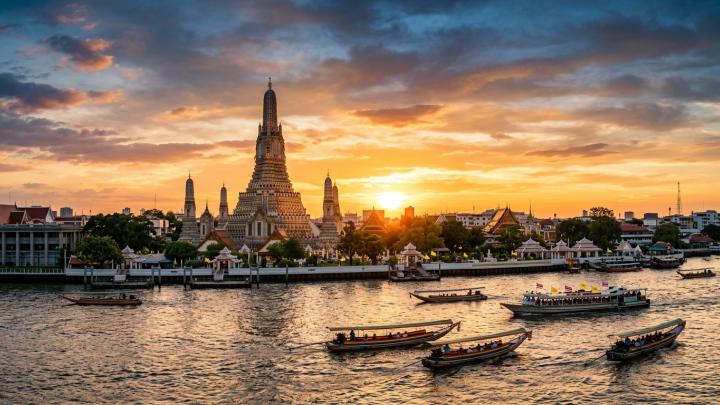
Panoramic view of Wat Arun Temple of Dawn along the Chao Phraya river during golden hour in Bangkok
Travel

Visiting Bangkok's Iconic Temples: Entry Fees, Opening Hours, Dress Codes, and Practical Guide

Comprehensive guide to Bangkok's sacred landmarks: Grand Palace, Wat Pho, Wat Arun, Wat Saket, Wat Traimit. Official entry fees, operating hours, strict dress codes, and river transit.

2 min ↗
Travel

Visiting Bangkok's Iconic Temples: Entry Fees, Opening Hours, Dress Codes, and Practical Guide

· Last reviewed: 18 September 2026 · Written by Ricardo Dos Santos
Panoramic view of Wat Arun Temple of Dawn along the Chao Phraya river during golden hour in Bangkok
Sawalife Editorial / Siamese Sacred Architecture

Comprehensive guide to Bangkok's sacred landmarks: Grand Palace, Wat Pho, Wat Arun, Wat Saket, Wat Traimit. Official entry fees, operating hours, strict dress codes, and river transit.

Bangkok's Buddhist temples (Wat) represent the spiritual and architectural heart of Thailand. With over 400 monasteries across the metropolis, a core selection of iconic sanctuaries embodies the finest Siamese artistry.


Official Entry Fees and Opening Hours

Temple Foreign Entry Fee Opening Hours Key Highlight
Grand Palace & Wat Phra Kaew 500 THB (includes museum & Khon show) 08:30 – 15:30 daily Sacred Emerald Buddha & Ramakien murals
Wat Pho (Reclining Buddha) 300 THB 08:00 – 18:30 daily 46m gold-leaf Reclining Buddha & massage school
Wat Arun (Temple of Dawn) 200 THB 08:00 – 18:00 daily 82m porcelain-inlaid central prang on Chao Phraya
Wat Saket (Golden Mount) 100 THB 07:30 – 19:00 daily 360° historic Bangkok panoramic rooftop view
Wat Traimit (Golden Buddha) 100 THB (temple) / 140 THB (museum) 08:00 – 17:00 daily 5.5-tonne solid gold Buddha in Chinatown
Wat Benchamabophit (Marble Temple) 100 THB 08:30 – 17:30 daily Italian Carrara marble classical Thai architecture

Strict Temple Dress Code

  • Upper Body: Shoulders, upper arms, and chest must be fully covered. No sleeveless tops or sheer fabrics.
  • Lower Body: Pants or skirts must extend past the knees. Torn jeans and athletic shorts are prohibited.
  • Footwear: Shoes must be removed before stepping across raised thresholds into sacred ordination halls (ubosot).

River Logistics and Scam Prevention

  • Ferry Transport: Use the orange-flag Chao Phraya Express Boat (16 THB) or cross-river ferries (5 THB).
  • "Temple is Closed" Scam: Disregard touts or tuk-tuk drivers outside gates claiming the palace is closed. Official ticket booths are open daily.
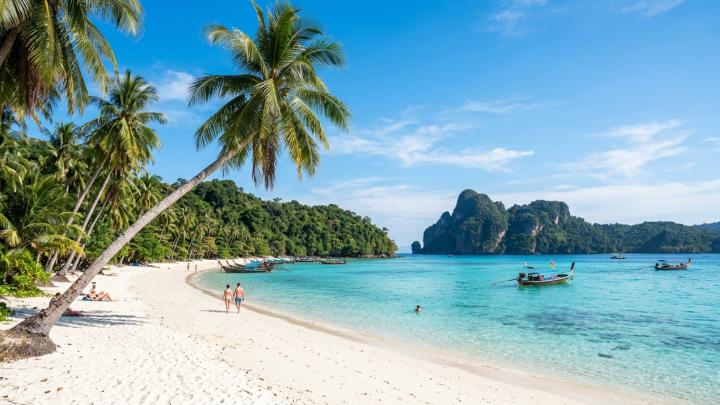
Sunny tropical beach with crystal turquoise waters and palm trees in Southern Thailand during December
Travel

Thailand Weather in December: Regional Climate Guide and Peak Season Travel Tips

Comprehensive guide to weather in Thailand during December: prime sunshine along the Andaman coast and Central plains, cool mountain nights in the North, and peak-season booking strategies.

1 min ↗
Travel

Thailand Weather in December: Regional Climate Guide and Peak Season Travel Tips

· Last reviewed: 18 September 2026 · Written by Ricardo Dos Santos
Sunny tropical beach with crystal turquoise waters and palm trees in Southern Thailand during December
Sawalife Editorial / Tropical Coastal Photography

Comprehensive guide to weather in Thailand during December: prime sunshine along the Andaman coast and Central plains, cool mountain nights in the North, and peak-season booking strategies.

December represents peak travel season across Thailand. Falling in the prime of the cool, dry winter, it features clear blue skies, minimal precipitation, and calm coastal waters.

Regional Conditions:

  • Central Plains & Bangkok: Crisp, sunny days (30°C) with pleasant evenings (21°C). Ideal for urban exploration.
  • Northern Highlands: Warm daytime sunshine (28°C) shifting to crisp nights (12–15°C; near freezing on Doi Inthanon summit).
  • Andaman Coast: Pristine turquoise waters, zero swell, and optimal visibility for marine activities.
  • Gulf of Thailand: Progressive clearing throughout December with sunny weather arriving towards the festive holidays.

Peak Season Strategies:

  1. Advance Bookings: Domestic flights, sleeper trains, and prime island resorts should be secured well in advance.
  2. Alternative Destinations: Consider quieter islands like Koh Yao Noi, Koh Jum, or Koh Kradan to escape holiday congestion.
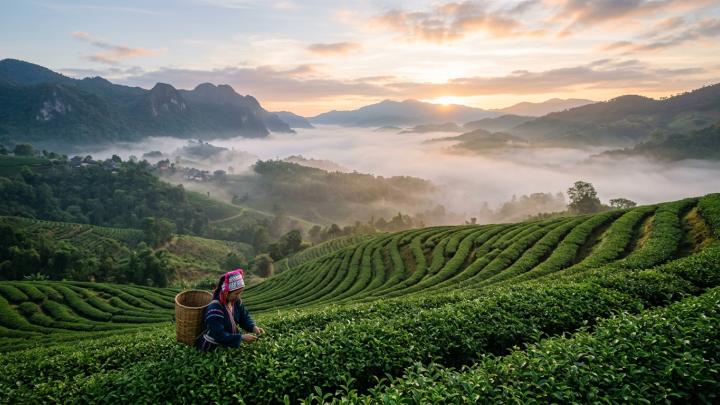
Lush green tea plantations and morning mountain mist in Northern Thailand during November
Travel

Traveling to Thailand in November: Regional Weather, Top Destinations, and Seasonal Insights

Climatic and geographical guide to Thailand in November: the transition to the cool dry season, weather contrasts between the Andaman and Gulf coasts, and top regional itineraries.

1 min ↗
Travel

Traveling to Thailand in November: Regional Weather, Top Destinations, and Seasonal Insights

· Last reviewed: 18 September 2026 · Written by Ricardo Dos Santos
Lush green tea plantations and morning mountain mist in Northern Thailand during November
Sawalife Editorial / Northern Thailand Scenic Landscape

Climatic and geographical guide to Thailand in November: the transition to the cool dry season, weather contrasts between the Andaman and Gulf coasts, and top regional itineraries.

November marks a defining seasonal transition in Thailand, as the southwest monsoon recedes and the cool, dry season commences across most parts of the country.

It offers an optimal balance: revitalized lush landscapes, comfortable temperatures, and pre-peak accommodation pricing.


Regional Climate Summary

  • Northern Highlands (Chiang Mai, Chiang Rai): Sunny, clear skies, daytime averages around 29°C, dropping to crisp 16–18°C at night. Prime conditions for trekking and cultural touring.
  • Central Plains & Bangkok: Sharp drop in rainfall, declining humidity, comfortable city exploration.
  • Andaman Coast (Phuket, Krabi, Koh Lanta): Calmer seas, sunny skies, reopening of the Similan and Surin Marine National Parks.
  • Lower Gulf of Thailand (Koh Samui, Koh Phangan, Koh Tao): Caution: November represents the localized monsoon peak for the southern Gulf.

Why Visit in November?

  • Festival Highlights: Experience the nationwide magic of Loy Krathong and Chiang Mai's Yi Peng lantern festival.
  • Pre-Peak Value: Favorable hotel rates before mid-December peak surcharges.
  • Lush Natural Scenery: Waterfalls and national parks at peak vitality following seasonal rains.
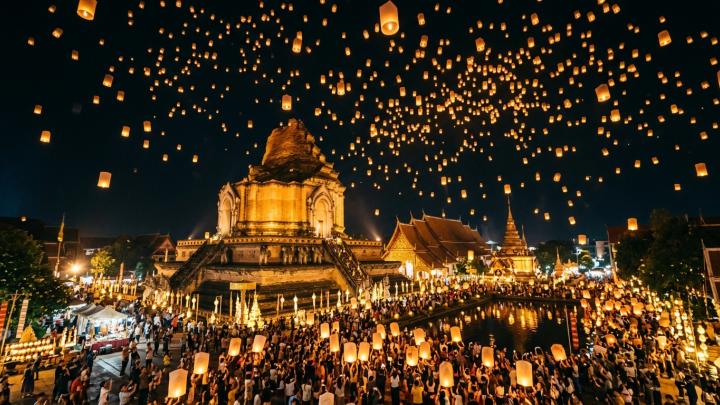
Thousands of glowing sky lanterns released over an ancient temple in Chiang Mai during Yi Peng festival
Travel

Loy Krathong and Yi Peng: Traditions, Lunar Calendar, and Festival Guide

Discover the spiritual significance and celebration guide for Loy Krathong and Yi Peng in Thailand: lunar dates, premier locations in Chiang Mai and Bangkok, and eco-friendly practices.

1 min ↗
Travel

Loy Krathong and Yi Peng: Traditions, Lunar Calendar, and Festival Guide

· Last reviewed: 18 September 2026 · Written by Ricardo Dos Santos
Thousands of glowing sky lanterns released over an ancient temple in Chiang Mai during Yi Peng festival
Sawalife Editorial / Cultural Heritage Photography

Discover the spiritual significance and celebration guide for Loy Krathong and Yi Peng in Thailand: lunar dates, premier locations in Chiang Mai and Bangkok, and eco-friendly practices.

Every autumn, Thailand hosts two of Southeast Asia's most visually captivating cultural celebrations: Loy Krathong and the Northern Lanna festival of Yi Peng.

While often celebrated concurrently, they represent distinct cultural legacies unified under the full moon of the traditional Thai lunar calendar.


Understanding the Differences

  • Loy Krathong (Nationwide): Floating floral baskets with candles onto rivers and waterways to express reverence to the water goddess (Phra Mae Khongkha).
  • Yi Peng (Lanna / Northern Thailand): Releasing sky lanterns (khom loy) into the night sky to symbolize shedding past misfortunes.

Festival Dates and the Lunar Cycle

Festival dates are determined strictly by the 12th full moon of the traditional Thai lunar calendar, which typically falls in November. Celebrations generally span two to three days.

Prime Celebration Hubs in Chiang Mai:

  • Nawarat Bridge & River Ping: The primary public gathering point for floating krathongs and admiring river reflections.
  • Wat Phan Tao & Wat Chedi Luang: Serene candlelit monastery ceremonies and monk chanting.
  • Tha Phae Gate: Official festival parades, traditional Lanna musical performances, and cultural exhibitions.

Environmental Stewardship

Always choose organic krathongs constructed from banana tree trunks, fresh leaves, and natural flowers. Synthetic foam materials are strictly prohibited.

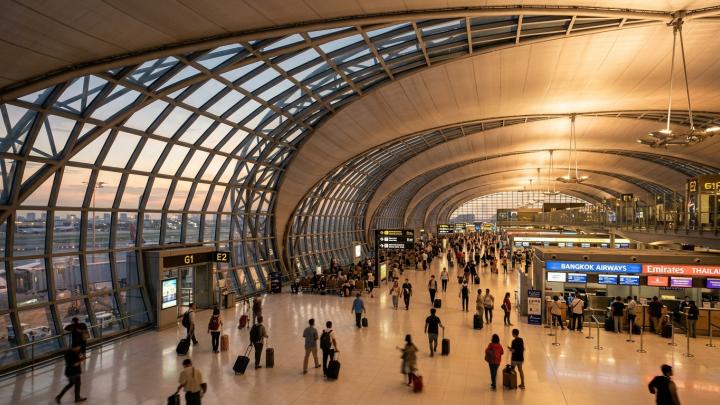
Modern passenger concourse and terminal architecture at Bangkok Suvarnabhumi International Airport
Travel

Navigating Immigration at Bangkok Airports: Procedures, Required Documents, and Arrival Guide

Step-by-step guide to clearing immigration at Suvarnabhumi (BKK) and Don Mueang (DMK): mandatory document checklist, biometric gates, customs, and transport to central Bangkok.

1 min ↗
Travel

Navigating Immigration at Bangkok Airports: Procedures, Required Documents, and Arrival Guide

· Last reviewed: 18 September 2026 · Written by Ricardo Dos Santos
Modern passenger concourse and terminal architecture at Bangkok Suvarnabhumi International Airport
Sawalife Editorial / Modern Aviation Architecture

Step-by-step guide to clearing immigration at Suvarnabhumi (BKK) and Don Mueang (DMK): mandatory document checklist, biometric gates, customs, and transport to central Bangkok.

International arrivals into Bangkok process through either Suvarnabhumi Airport (BKK) or Don Mueang International Airport (DMK).

Pre-Arrival Checklist:

  1. Passport: 6 months remaining validity, undamaged condition.
  2. Onward Flight: Confirmed ticket departing within the allowed duration.
  3. Accommodation Proof: Hotel voucher or address of stay.
  4. Cash Reserve: 10,000–20,000 THB cash equivalent available upon inspection.

Ground Transportation to City Center:

  • Suvarnabhumi (BKK): Airport Rail Link (ARL) directly to Phaya Thai BTS (45 THB, 26 min), or Level 1 official metered taxis.
  • Don Mueang (DMK): SRT Dark Red Line rail link to Krung Thep Aphiwat Central Station, or express shuttle buses (A1-A4).
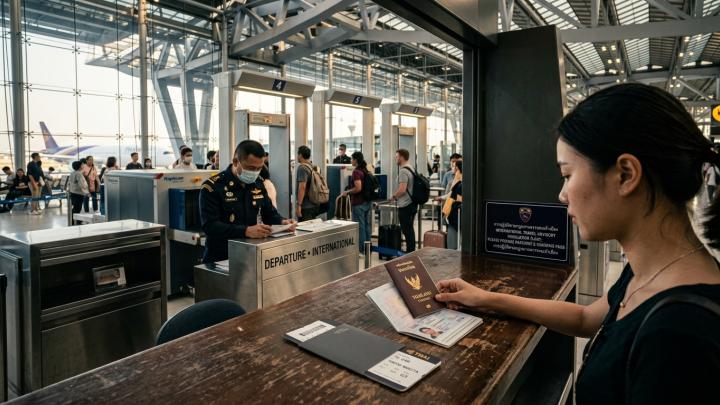
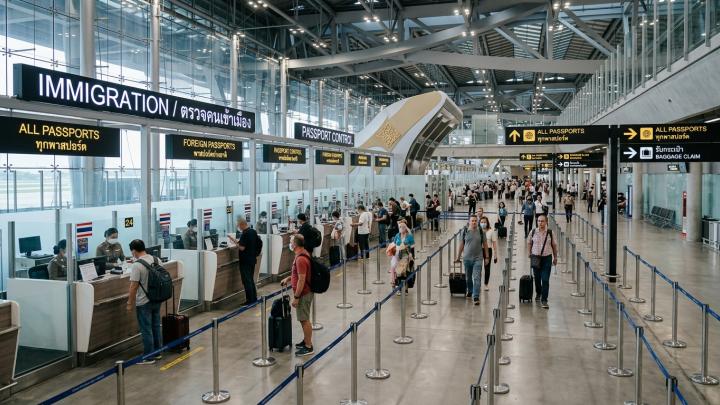
Passport control and immigration inspection checkpoint at a Thai international airport
Visa & Immigration

Border Controls and Entry Refusals in Thailand: Legal Grounds and Prevention

Analysis of statutory criteria applied by Thailand's Immigration Bureau: understanding grounds for non-admission under Section 12, patterns of excessive stay, and secondary inspection procedures.

2 min ↗
Visa & Immigration

Border Controls and Entry Refusals in Thailand: Legal Grounds and Prevention

· Last reviewed: 18 September 2026 · Written by Ricardo Dos Santos
Passport control and immigration inspection checkpoint at a Thai international airport
Sawalife Editorial / International Border Control Documentation

Analysis of statutory criteria applied by Thailand's Immigration Bureau: understanding grounds for non-admission under Section 12, patterns of excessive stay, and secondary inspection procedures.

Thailand's border checkpoints process tens of millions of foreign arrivals every year. While the overwhelming majority experience quick and seamless processing, statutory entry refusals are actively enforced under Section 12 of the Thailand Immigration Act B.E. 2522 (1979).

Understanding how immigration officers assess entry eligibility helps travelers ensure their documentation meets all statutory thresholds.


Statutory Grounds for Non-Admission (Section 12)

Thai immigration authorities possess statutory powers to deny entry under specific legal grounds:

  • Section 12(1): Lack of a valid passport or presentation of a damaged/altered travel document.
  • Section 12(2): Insufficient funds for the duration of stay (lack of required physical cash).
  • Section 12(3): Reasonable grounds to suspect unauthorized employment or lack of proper work authorization.
  • Section 12(6): Failure to produce confirmed onward travel documentation out of Thailand.
  • Section 12(8): Prior inclusion on official immigration watchlists or deportation blacklists.

Primary Triggers for Heightened Scrutiny

  1. Repetitive "Visa Runs" and Continuous Tourist Stays: Consecutive back-to-back entries under visa exemptions or tourist visas signal de facto residence rather than bona fide tourism.
  2. Unauthorized Remote Work or Local Employment: Operating locally without proper business, digital nomad (DTV), or work visas.
  3. Cash Requirements: Inability to physically display 10,000–20,000 THB (individual) or 20,000–40,000 THB (family) when challenged under Section 12(2).
  4. Physical Passport Condition: Damaged binding, water stains, missing pages, or unofficial souvenir stamps.
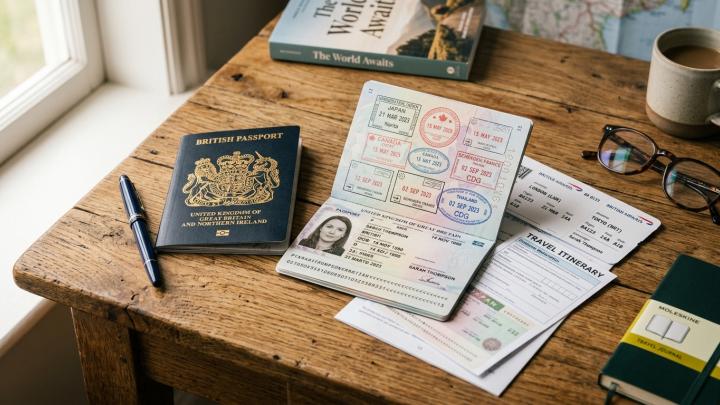
International passport with official entry stamps and travel documentation for Thailand
Visa & Immigration

Thailand Visa Exemption and Tourist Stays: Regulations, Durations, and Extensions

Comprehensive guide to Thailand's visa exemption scheme: mandatory entry requirements, proof of funds, extension procedures at Immigration offices, and overstay regulations.

2 min ↗
Visa & Immigration

Thailand Visa Exemption and Tourist Stays: Regulations, Durations, and Extensions

· Last reviewed: 18 September 2026 · Written by Ricardo Dos Santos
International passport with official entry stamps and travel documentation for Thailand
Sawalife Editorial / Travel Documentation Photography

Comprehensive guide to Thailand's visa exemption scheme: mandatory entry requirements, proof of funds, extension procedures at Immigration offices, and overstay regulations.

Thailand's visa exemption scheme is the primary entry route for tourists holding passports from over 90 designated countries. While it affords significant travel flexibility, entry under this scheme is governed by strict legal parameters established under the Thailand Immigration Act B.E. 2522 (1979) and ministerial directives.

Understanding the mandatory requirements, financial checks, and extension protocols ensures seamless entry and full regulatory compliance.


Mandatory Criteria for Entry Under Visa Exemption

Immigration admission at Thai border checkpoints is discretionary and conditional upon fulfilling the following statutory criteria:

  1. Passport Validity and Condition: Must possess at least 6 months of validity from the date of arrival and minimum two blank visa pages. Passports with water damage, tears, or missing pages will be refused.
  2. Confirmed Proof of Onward Travel: Travelers must present a confirmed commercial transport ticket (flight, train, or ferry) departing Thailand within the permitted visa exemption period. Unconfirmed reservations or open-ended tickets are routinely rejected.
  3. Sufficient Financial Resources: Under Section 12(9) of the Immigration Act, immigration officers may verify financial solvency:
    • Individual: Minimum 10,000 to 20,000 THB (or convertible foreign currency cash equivalent).
    • Family unit: Minimum 20,000 to 40,000 THB.
  4. Verifiable Accommodation: Address of hotel or private residence documented for the initial stay duration.

Length of Stay and 30-Day In-Country Extension (TM.7)

Tourists admitted under the visa exemption scheme may apply for a one-time 30-day extension at any Royal Thai Immigration Bureau provincial office (e.g., Bangkok Chaengwattana/IT Square Laksi, Phuket, Chiang Mai, Pattaya, Samui).

Required Extension Documents

  • Original passport with copies of the photo page, entry stamp, and current permission of stay.
  • Completed Extension Application Form (TM.7).
  • One recent passport photo (4 x 6 cm, light background).
  • Proof of accommodation with active TM.30 residential notification receipt.
  • Official statutory fee: 1,900 THB in cash.
Initial Exemption Stamp ➔ Application at Immigration Office (Form TM.7 + 1,900 THB) ➔ +30 Days Granted

Overstay Penalties and Legal Ramifications

Exceeding the authorized period of stay is an immigration offense resulting in immediate statutory penalties:

  • Financial Fine: 500 THB per day, up to a maximum statutory cap of 20,000 THB.
  • Re-entry Bans (Blacklisting):
    • Overstay exceeding 90 days (voluntary surrender): 1-year re-entry ban.
    • Overstay exceeding 1 year (voluntary surrender): 3-year re-entry ban.
    • Apprehension by authorities during an overstay: Immediate detention, deportation, and a 5 to 10-year re-entry ban.
Iconic limestone karst cliffs and traditional longtail boats in Southern Thailand
Travel

10-Day Thailand Itinerary: Recommended Routes and Practical Travel Guide

How to craft a balanced 10-day itinerary in Thailand: essential highlights, transport logistics, realistic budgets, and tips to travel smoothly without exhaustion.

4 min ↗
Travel

10-Day Thailand Itinerary: Recommended Routes and Practical Travel Guide

· Last reviewed: 18 September 2026 · Written by Ricardo Dos Santos
Iconic limestone karst cliffs and traditional longtail boats in Southern Thailand
Sawalife Editorial / Creative Commons Travel Photography

How to craft a balanced 10-day itinerary in Thailand: essential highlights, transport logistics, realistic budgets, and tips to travel smoothly without exhaustion.

A ten-day stay in Thailand provides an exceptional introduction to the Kingdom, provided your route is planned with intention. The single most common mistake among first-time visitors is attempting to cover too many destinations, reducing a memorable holiday into an exhausting marathon of airport check-ins and transit hubs.

For a trip of this duration, the golden rule is simple: restrict your journey to three distinct geographical hubs: the vibrant capital of Bangkok, a cultural immersion in the North or central plains, and a coastal or island escape in the South.


The 3-3-4 Strategy: A Balanced Blueprint

This structured route showcases Thailand's three key facets without inducing travel fatigue:

  • Days 1 to 3: Bangkok and Surrounds (Royal heritage, historic riverways, and modern metropolis).
  • Days 4 to 6: Chiang Mai and Lanna Culture (Ancient temples, artisan quarters, and mountainous scenery).
  • Days 7 to 10: The Southern Seas (Andaman Coast or Gulf of Thailand, tailored to the season).
[Days 1-3] Bangkok & Riverway ➔ [Days 4-6] Chiang Mai & North ➔ [Days 7-10] Southern Islands & Beaches

Hub 1: Bangkok – Heritage and Urban Energy (Days 1 to 3)

Day 1: Historic Bangkok and the Chao Phraya River

After checking in, use the public river ferries (Chao Phraya Express Boat, orange flag) as your primary transit artery to bypass road traffic.

  • The Grand Palace and Wat Phra Kaew: The pinnacle of Siamese craftsmanship housing the sacred Emerald Buddha. Visit early morning (08:30) to beat the midday heat.
  • Wat Pho (Temple of the Reclining Buddha): Home to the monumental 46-meter gold-leaf Buddha and the historic birthplace of traditional Thai medical massage.
  • Wat Arun (Temple of Dawn): Located across the river in Thonburi, reached via a 5 THB cross-river ferry, famous for its porcelain-encrusted central prang.

Day 2: Markets, Khlongs, and Cultural Quarters

  • Chinatown (Yaowarat): Morning stroll through the bustling alleys of Sampeng and a visit to Wat Traimit, home to the world's largest solid gold Buddha (5.5 tonnes).
  • Longtail Boat Cruise on the Thonburi Khlongs: Observe authentic riverside lifestyles and traditional wooden stilt houses.
  • Evening Food Trail: Savor Michelin-recognized street food along Yaowarat Road or Ban Tad Thong.

Day 3: Heritage Excursion or Modern City

  • Heritage Choice: Ayutthaya Historical Park (UNESCO World Heritage capital, 75 minutes north by rail from Krung Thep Aphiwat Central Terminal).
  • Urban Choice: Jim Thompson House (traditional teak architecture) and the modern skywalks linking Siam and Lumphini Park.

Hub 2: Chiang Mai and Northern Heritage (Days 4 to 6)

Transit Options

  • Domestic Flight: 1h15 from Bangkok Suvarnabhumi (BKK) or Don Mueang (DMK).
  • Overnight Sleeper Train: The CNR Special Express No. 9 offers clean, air-conditioned first and second-class sleeper berths arriving refreshed in the morning.

Highlights in Chiang Mai

  • The Old Walled City: Explore Wat Chedi Luang, Wat Phra Singh, and serene local temple courtyards on foot.
  • Wat Phra That Doi Suthep: Perched high on the mountain overlooking the valley, renowned for its golden pagoda and sacred atmosphere.
  • Lanna Cuisine & Night Markets: Sample Khao Soi (coconut curry noodle soup) and browse the Sunday Walking Street.

Hub 3: Southern Islands and Coast (Days 7 to 10)

Choose your coastal destination based on prevailing seasonal weather patterns:

Option A: The Andaman Coast (Krabi, Koh Lanta, Phuket)

Best from November to April (dry, sunny, and calm waters).

  • Krabi / Railay & Ao Nang: Towering limestone karsts, boat trips to Hong Islands and Phi Phi.
  • Koh Lanta: A relaxed, unhurried island pace suited to couples and independent travelers.

Option B: The Gulf of Thailand (Koh Samui, Koh Tao, Koh Phangan)

Best from January to August (sheltered from Andaman monsoon patterns).

  • Koh Tao: Renowned worldwide for accessible scuba diving and pristine coral bays.
  • Koh Samui: Comprehensive resort infrastructure, wellness centers, and coastal dining.

Practical Budgeting and Travel Advice

Expense Category Budget Traveler Comfort Traveler Premium Traveler
Accommodation (per night) 500 – 900 THB (Hostel / Guesthouse) 1,500 – 3,000 THB (3-4★ Boutique Hotel) 4,500 – 10,000+ THB (5★ Luxury Resort)
Daily Dining 250 – 400 THB (Street Food & Local Eateries) 600 – 1,200 THB (Casual Restaurants) 2,000+ THB (Fine Dining & Seafood)
Local Transit River Boats, MRT/BTS, Songthaews Metered Taxis, Grab, Bolt Private Chauffeur / Dedicated Transfers

Key Travel Principles

  1. Factor in Transit Times: Every regional transfer consumes at least half a day door-to-door.
  2. Observe Temple Etiquette: Shoulders and knees must remain covered at all religious sites for both men and women.
  3. Hydration and Pacing: Tropical heat requires a measured pace; schedule outdoor visits during morning and late afternoon hours.
Thailand’s beaches and water activities: plan for conditions, not postcards
Travel

Thailand’s beaches and water activities: plan for conditions, not postcards

A grounded checklist for coastlines, swimming, ferries and outdoor activity without promoting any operator.

2 min ↗
Travel

Thailand’s beaches and water activities: plan for conditions, not postcards

· Last reviewed: 16 July 2026 · Written by Ricardo Dos Santos
Thailand’s beaches and water activities: plan for conditions, not postcards
Kelly / Pexels

A grounded checklist for coastlines, swimming, ferries and outdoor activity without promoting any operator.

Why this belongs on a Thailand itinerary

Thailand’s coastlines are diverse, ranging from bustling urban waterfronts to remote islands and protected marine parks. A responsible itinerary prioritizes current conditions over the idealized imagery often found in travel media. Recognizing that the environment is dynamic is essential for any traveler planning to spend time near the water.

Context and history

Conditions at Thailand’s beaches are dynamic and depend on a variety of factors, including weather, tides, currents, boat traffic, and local management. A beautiful photograph cannot indicate whether a specific activity is safe or appropriate on any given day. Understanding this variability is the first step in planning a safe coastal visit, as the environment can shift rapidly regardless of seasonal expectations.

How to experience it well

Safety should be the primary driver of your activities. Always read flags and posted notices, as these are designed to inform you of current water conditions. Keep children within reach at all times when near the water, use approved equipment where required, and avoid swimming alone, especially at night. When visiting islands, remember that land-based safety—such as wearing a helmet, driving sober, and having a realistic plan for rain—is just as critical as your beach activities.

What visitors need to know

Official warnings and staff directions must always override any guidebook or online recommendation. This information does not replace the expertise of a lifeguard, park ranger, maritime authority, or medical professional. If you are unsure about the safety of an activity, seek guidance from local authorities on-site, as they possess the most accurate, real-time data regarding local hazards.

Responsible decision-making

Responsible travel involves acknowledging the limitations of your own experience and the unpredictability of the environment. By planning for potential changes in weather or sea conditions, you ensure that your trip remains enjoyable and safe. Avoid relying on third-party recommendations that may not account for the specific, real-time conditions of the coast, and always prioritize local safety protocols.

Verification before travel

Operational details, access, weather, conservation rules, ceremonies, and local instructions can change. Verify the current official information before travelling. For destination-specific profiles, refer to the Tourism Authority of Thailand — Ko Samui destination profile.

Thailand through its places: how to read history without reducing it to a photo stop
Travel

Thailand through its places: how to read history without reducing it to a photo stop

A visitor-friendly approach to temples, old towns, archaeological sites and royal landscapes across Thailand.

2 min ↗
Travel

Thailand through its places: how to read history without reducing it to a photo stop

· Last reviewed: 16 July 2026 · Written by Ricardo Dos Santos
Thailand through its places: how to read history without reducing it to a photo stop
Laura Musikanski / Pexels

A visitor-friendly approach to temples, old towns, archaeological sites and royal landscapes across Thailand.

Why this belongs on a Thailand itinerary

Thailand’s cultural sites offer a profound look into the nation's past, provided visitors approach them with depth. Moving beyond the surface-level "photo stop" allows for a more meaningful engagement with the country's diverse historical layers. By shifting the focus from capturing an image to understanding the site's narrative, travelers can better appreciate the complexity of the Thai landscape.

Context and history

Thailand’s cultural landscape is not defined by a single period or style. Bangkok serves as a window into the Rattanakosin era, while northern cities preserve the traditions of the Lanna kingdom. Phuket’s old town offers insight into a maritime trading history, and sites like Ban Chiang provide a much deeper archaeological horizon. Understanding these distinctions is key to appreciating the breadth of Thai history, as each location reflects a different facet of the nation's evolution.

How to experience it well

To truly read a site, look for the relationship between the architecture and its setting. Consider how the location—whether it be a river, mountain, old trade street, palace ground, or settlement landscape—shaped the site's purpose. Utilize museum interpretation and official site notices to distinguish between documented historical facts and local storytelling. This analytical approach helps in separating the physical reality of the site from modern interpretations.

Respecting the past

Archaeological remains and active religious sites are not mere props for photography. Respecting these spaces means adhering to all barriers, conservation work, and photography rules. Do not climb on structures, touch fragile surfaces, or treat restricted areas as optional. Your conduct directly impacts the preservation of these sites for future visitors, ensuring that the physical integrity of these historical markers remains intact.

A framework for engagement

When visiting, prioritize the context of the site over the speed of your itinerary. By taking the time to understand the significance of the murals, the layout of the courtyards, and the history of the settlement, you transform a simple visit into an educational experience. Treat every site as a living piece of history that requires care and attention, rather than a static backdrop for travel documentation.

Verification before travel

Operational details, access, weather, conservation rules, ceremonies, and local instructions can change. Verify the current official information before travelling. For further information on significant sites, consult the UNESCO World Heritage Centre — Ban Chiang Archaeological Site.

Northern Thailand's secret side: mountain villages, tea plantations, and mist over Chiang Mai
Travel

Northern Thailand's secret side: mountain villages, tea plantations, and mist over Chiang Mai

Mae Kampong, Doi Mae Salong, Pai's back roads: Northern Thailand rewards slow travel, between hill communities, Yunnanese tea, and a burning season worth planning around.

3 min ↗
Travel

Northern Thailand's secret side: mountain villages, tea plantations, and mist over Chiang Mai

· Last reviewed: 18 July 2026 · Written by Ricardo Dos Santos
Northern Thailand's secret side: mountain villages, tea plantations, and mist over Chiang Mai
Photo by Pitipat Usanakornkul / Pexels

Mae Kampong, Doi Mae Salong, Pai's back roads: Northern Thailand rewards slow travel, between hill communities, Yunnanese tea, and a burning season worth planning around.

A geography read in altitude

Northern Thailand doesn't read like the rest of the country: here, altitude organises everything — climate, crops, peoples. Past the outskirts of Chiang Mai, the road climbs toward Karen, Akha, Lahu, and Lisu hamlets that have sat on ridgelines at 1,000, 1,200, sometimes 1,800 metres for generations, where rice gives way to tea, coffee, and, higher still, vegetable crops introduced by the royal opium-substitution programmes of the 1970s. Understanding that agricultural history changes how you visit the region entirely: these aren't folkloric backdrops, but real, still-evolving mountain economies.

Mae Kampong: the village that chose ecotourism over exodus

Less than an hour's drive from Chiang Mai, but separated by enough switchbacks to discourage rushed day trips, Mae Kampong is a tea-growing village tucked in a damp valley, its wooden stilt houses lining a stream fed by a small community-run hydroelectric plant. Facing the rural exodus that was emptying the valley in the 1990s, residents built a homestay network instead of hotels — a choice that keeps the population in place and channels tourism income directly to families. You sleep in a wooden house, eat what the family has cooked, and walk to Mae Kampong's small waterfall in the late afternoon, just as mist starts settling between the tea bushes.

Doi Mae Salong: the Thailand that still speaks Chinese

Perched above 1,200 metres near the Myanmar border, Doi Mae Salong was founded by Kuomintang remnants after their 1949 retreat from China, and its identity remains deeply Yunnanese: curved-roof temples, a morning market selling medicinal herbs, and above all, entire hillsides covered in oolong tea plantations, introduced precisely by these refugees to replace poppy cultivation. Walking between the tea rows at sunrise, while mist still clings to the ridgelines, remains one of the least documented experiences in Northern Thailand — most travellers stop at Chiang Mai and Chiang Rai without ever detouring to this plateau.

Pai on the back roads, not just Route 1095

The main road to Pai, the infamous Route 1095 with its 762 curves, concentrates most of the tourist traffic and, with it, much of the questionable party-town folklore that has come to define the town for many. The secondary roads skirting the valley to the east, toward Ban Santichon (a Yunnanese village) or the Mo Paeng waterfalls, cross terraced rice fields and near-empty Lisu hamlets, offering a calmer version of the same region — a straightforward alternative for anyone who has already seen central Pai and wants something else.

Burning season: the factor few itineraries plan around

From late February to April, much of Northern Thailand — along with neighbouring Myanmar and Laos — goes through an agricultural burning season that sharply degrades air quality, at times ranking among the worst on the planet for that stretch. This factor, rarely flagged in standard itineraries, is worth checking before booking a trek or a Doi Inthanon climb in that window: the best stretch for hiking and clear air remains November to January, when mountain nights turn cool and skies are usually clean.

Travelling these mountains without flattening them into scenery

Visiting an ethnic minority village isn't visiting a living museum: it means asking before photographing residents, favouring guides and accommodation actually run by the community rather than day tours from Chiang Mai that funnel back only a fraction of the income, and accepting that an agricultural village runs on its own rhythm, not the visitor's. That unhurried pace — picking tea, drying leaves, cooking a shared meal — is exactly what makes a detour into Northern Thailand worth it.

Thailand by rail: use stations as gateways, not just transport stops
Travel

Thailand by rail: use stations as gateways, not just transport stops

Why rail can add context to a Thailand trip, and how to plan with realistic connections rather than fragile same-day assumptions.

2 min ↗
Travel

Thailand by rail: use stations as gateways, not just transport stops

· Last reviewed: 16 July 2026 · Written by Ricardo Dos Santos
Thailand by rail: use stations as gateways, not just transport stops
Beyzaa Yurtkuran / Pexels

Why rail can add context to a Thailand trip, and how to plan with realistic connections rather than fragile same-day assumptions.

Why this belongs on a Thailand itinerary

Rail travel in Thailand offers more than just a way to get from point A to point B; it provides a window into provincial landscapes and historic station districts. By viewing stations as gateways rather than mere transport stops, you can add significant context to your journey. However, planning a rail trip requires a realistic approach to connections, avoiding the fragile assumptions that often lead to travel stress.

The reality of rail logistics

While rail routes connect major cities, the timetable is only one component of the journey. Transfers, platform changes, potential weather disruptions, and the need for onward local transport all require careful consideration. When planning your trip, do not assume that every connection will be seamless. Build your itinerary with enough buffer time to account for the realities of regional travel.

Integrating rail into your plans

Use rail for the journey itself when time permits, allowing the travel to become part of the experience. Keep important appointments, such as international flights or ferry departures, on separate days to avoid the risk of missing them due to rail delays. If you are visiting a station for its historical significance—such as the landmark station in Hua Hin—distinguish between the heritage site and the operating transport facility, and always follow on-site directions.

Avoiding third-party assumptions

Do not treat a historical route description or a third-party timetable as an operational guarantee. These sources may be outdated or inaccurate. Always check the State Railway of Thailand for the current timetable and official service notices. Relying on official sources is the only way to ensure your planning is based on current operational realities.

The value of the journey

Rail travel allows you to see the country at a different pace, moving through landscapes that are often missed when flying. By planning with realistic expectations and respecting the operational nature of the rail network, you can enjoy a more authentic and less stressful way to explore Thailand. Treat the rail journey as an opportunity to observe the changing scenery and the local life that unfolds around each station.

Verification before travel

Operational details, access, and service notices can change. Always verify the current official information before travelling. For the most accurate and current rail information, consult the State Railway of Thailand.

How to visit Thailand’s islands with less impact and more awareness
Travel

How to visit Thailand’s islands with less impact and more awareness

Practical habits for beaches, reefs, small islands and national parks that protect the places visitors have come to enjoy.

2 min ↗
Travel

How to visit Thailand’s islands with less impact and more awareness

· Last reviewed: 16 July 2026 · Written by Ricardo Dos Santos
How to visit Thailand’s islands with less impact and more awareness
Anetta Kolesnikova / Pexels

Practical habits for beaches, reefs, small islands and national parks that protect the places visitors have come to enjoy.

Why this belongs on a Thailand itinerary

Visiting Thailand’s islands is a privilege that comes with the responsibility of stewardship. Small islands often struggle to manage finite water supplies, waste disposal, and the pressure of tourism on shoreline access and reef ecosystems. The decision to visit is not just about where to swim or sleep; it is about how your presence—and your consumption of supplies—affects the destination.

Adopting responsible habits

To minimize your impact, adopt practical habits that protect the environment. Carry a reusable water bottle where refill options are available, and pack out any waste that cannot be responsibly disposed of on the island. When in the water, avoid touching coral or wildlife, as these ecosystems are fragile. On land, stick to marked paths and follow all mooring rules to prevent damage to the seabed and shoreline.

Respecting local norms

It is important to remember that a beach is not an excuse to ignore local clothing norms once you leave the sand. As you move from the beach into the local community, ensure your attire is respectful of the local culture. This simple act of awareness helps maintain the harmony between the visitor population and the local residents who call these islands home.

Navigating conservation closures

National-park access, restoration closures, and visitor limits are subject to change without notice. These measures are implemented to protect the environment, not to hinder your holiday. If you encounter a closure, accept it as a necessary conservation measure. Always read the current authority notice before your departure to ensure you are aware of any restrictions in place for your destination.

The role of the conscious traveller

By choosing to be a conscious traveller, you contribute to the longevity of the places you visit. This means being aware of the day-trip pressure on small islands and choosing to support local businesses that prioritize sustainability. Your choices directly influence the health of the reefs and the quality of life for the island communities.

Verification before travel

Operational details, access, conservation rules, and local instructions can change. Always verify the current official information before travelling. For the latest updates on national parks and conservation efforts, consult the Department of National Parks, Wildlife and Plant Conservation.

Plan Thailand’s coasts by season, not by a single “best time” label
Travel

Plan Thailand’s coasts by season, not by a single “best time” label

A clear way to compare coastal weather, sea travel and flexible itineraries without assuming that conditions are identical across Thailand.

2 min ↗
Travel

Plan Thailand’s coasts by season, not by a single “best time” label

· Last reviewed: 16 July 2026 · Written by Ricardo Dos Santos
Plan Thailand’s coasts by season, not by a single “best time” label
Dijanynni Kiratza / Pexels

A clear way to compare coastal weather, sea travel and flexible itineraries without assuming that conditions are identical across Thailand.

Why this belongs on a Thailand itinerary

Many travellers make the mistake of searching for a single “best time” to visit Thailand. However, because the country features long coastlines facing different seas, weather patterns are highly localized. A clear way to compare coastal weather and plan sea travel is to build your itinerary around a specific region and include a fallback plan, rather than relying on a country-wide weather slogan.

Understanding regional weather patterns

Thailand’s geography means that rain, wind, and wave conditions vary significantly depending on whether you are on the Gulf or the Andaman coast. Because these conditions are local, an island-hopping plan must be built with regional awareness. What is considered a safe or pleasant season in one part of the country may not apply to another, making it vital to research the specific seasonal outlook for your intended destination.

Practical planning for sea travel

Ferry-dependent itineraries are inherently sensitive to weather. To manage this, keep the first and last night of your trip flexible. If you have an international flight to catch, ensure you leave a significant margin of time before your departure to account for potential delays. Always rely on official weather and transport notices rather than social-media rumours or outdated travel blogs. Remember: a sunny forecast on land is never a guarantee of safe marine conditions.

The importance of official guidance

This information is for planning purposes and does not constitute a marine or safety alert. Always follow official warnings, park closures, and the specific instructions provided by boat operators. Never treat a published itinerary as permission to travel if conditions are unsafe. Your safety depends on your willingness to heed the advice of those who monitor the seas daily.

Building a flexible framework

By accepting that weather is a variable rather than a constant, you can build a more resilient itinerary. If a particular island or route is affected by poor conditions, having a pre-planned alternative or a flexible schedule allows you to adjust without compromising your safety or the quality of your trip. This approach turns potential disruption into a manageable part of the travel experience.

Verification before travel

Operational details, access, weather, and local instructions can change. Always verify the current official information before travelling. For the most reliable seasonal outlooks, consult the Thai Meteorological Department.

Visiting Thai temples with respect: a practical guide for first-time travellers
Travel

Visiting Thai temples with respect: a practical guide for first-time travellers

How to approach active Buddhist temples respectfully, understand the difference between a monument and a living religious space, and prepare for changing local rules.

2 min ↗
Travel

Visiting Thai temples with respect: a practical guide for first-time travellers

· Last reviewed: 16 July 2026 · Written by Ricardo Dos Santos
Visiting Thai temples with respect: a practical guide for first-time travellers
Kirandeep Singh Walia / Pexels

How to approach active Buddhist temples respectfully, understand the difference between a monument and a living religious space, and prepare for changing local rules.

Why this belongs on a Thailand itinerary

Visiting Thai temples is a central part of the travel experience, but it requires a shift in perspective. These sites are not merely historical monuments or photo opportunities; they are active, living religious spaces. Understanding how to approach these sites with respect is essential for any first-time traveller to Thailand.

The dual nature of temple sites

It is important to recognize that a temple is a place of worship first and a site of art and history second. A celebrated chedi, an intricate mural, or a revered Buddha image may be housed within a compound that is used daily by monks and local worshippers. This reality changes the visitor’s responsibility. When you enter these grounds, you are entering a space of ongoing religious practice, which necessitates a higher level of awareness and decorum.

Standards of conduct and dress

Respectful behaviour is defined by both action and appearance. Visitors should wear clothing that covers the shoulders and knees. When entering a building where it is required, you must remove your footwear. Inside the temple grounds, maintain a quiet demeanour. Remember that photography, access to specific halls, and the ceremonial use of spaces can vary significantly from one temple to another and even from day to day.

Avoiding the 'generic' trap

Do not rely on a generic etiquette list found online to guide your behaviour at every building. Rules are often specific to the site and the current needs of the monastic community. Upon arrival, look for notices or signs that outline specific requirements for that location. If you encounter a restriction, treat it as a necessary part of the site’s religious function rather than an inconvenience to your visit.

Respecting the religious space

Your primary goal should be to avoid interrupting worship. If a ceremony is in progress, observe from a distance and remain unobtrusive. By following staff directions and respecting the sanctity of the space, you ensure that your presence does not detract from the spiritual life of the temple. This approach allows for a more meaningful and authentic engagement with Thai culture.

Verification before travel

Operational details, access, conservation rules, ceremonies, and local instructions can change. Always verify the current official information before travelling. For guidance on Bangkok’s temple sites and destination profiles, consult the Tourism Authority of Thailand.

Thailand's secret islands: journeys to the archipelagos tourism hasn't found yet
Travel

Thailand's secret islands: journeys to the archipelagos tourism hasn't found yet

Koh Mak without scooters, Koh Kood without high-rises, Koh Jum without a schedule: five islands where Thailand still runs on fishermen's time, not sunbed time.

5 min ↗
Travel

Thailand's secret islands: journeys to the archipelagos tourism hasn't found yet

· Last reviewed: 18 July 2026 · Written by Ricardo Dos Santos
Thailand's secret islands: journeys to the archipelagos tourism hasn't found yet
Photo by Marcelo Verfe / Pexels

Koh Mak without scooters, Koh Kood without high-rises, Koh Jum without a schedule: five islands where Thailand still runs on fishermen's time, not sunbed time.

The moment Thailand goes quiet again

There is a precise instant, on the ferry leaving Laem Ngop for Koh Mak, when the noise stops. Trat's scooters fade, the 7-Eleven signs disappear with the coastline, and all that remains is the diesel engine's chug and the smell of salt and rubber — Koh Mak still runs on rubber plantations as much as on its beaches. That shift, more than any postcard beach, is what travellers looking beyond Phuket and Koh Samui are actually chasing: a place Thailand hasn't yet staged for them.

These islands genuinely exist, and none require a heroic expedition to reach. What they require is giving up the ease of a direct flight and a big resort, and accepting that a ferry runs on its own schedule, that the internet connection will sometimes be unreliable, and that dinner might depend on what the fishing boat brought in that morning.

Koh Mak: the island that said no to scooters

Koh Mak, in the Trat archipelago, is largely governed by two families who have farmed rubber and coconut here for generations, and who collectively decided, more than twenty years ago, to cap tourism development. The practical result: no nightclubs, transport limited mostly to bicycles and a handful of electric songthaews, and beaches — Ao Suan Yai, Ao Kao — that stay quiet even during the December peak. You can cycle across the entire island in about an hour, which tells you everything about its real scale.

The best window runs November to April, ideally avoiding the very first weeks of December when Thai families arrive for New Year. Crossings run by speedboat from Laem Ngop (about an hour) or by slower ferry from the same pier, itself reached by overnight bus or a short flight from Bangkok to Trat. There is no airport on the island — that is precisely what protects it.

Koh Kood: the last big island that never over-built

Further south, Koh Kood (also spelled Ko Kut) is Thailand's second-largest island after Phuket, yet holds a fraction of its population and a tenth of its visitors. Roads are only paved along part of the island's loop; the rest is negotiated by rented pickup or 4x4. Klong Chao waterfall, reached by a shaded trail from the village of the same name, is still visited without a queue on weekdays, and the turquoise waters of Ao Bang Bao shelter a stilted fishing village that still functions as a working harbour, not as a stage set.

The island connects by direct ferry from Trat (about 1.5 hours) or a bus-boat combination from Bangkok arranged by most accommodations. High season, November to April, is dependable; monsoon (June to October) closes some services and can make crossings rough for smaller boats — a genuine planning factor, not a footnote.

Koh Phayam: the Andaman Sea without the Phuket crowds

On the opposite coast, off Ranong in the Andaman Sea, Koh Phayam stays off the radar largely because it doesn't fit neatly into a standard southern Thailand loop — which is exactly what preserves its character. Coconut groves still anchor the local economy, wild pigs occasionally cross the island's few unpaved roads, and Ao Yai, its main beach, stretches nearly three kilometres with almost no permanent construction.

Access is by boat from Ranong port, itself reached from Bangkok by direct flight (75 minutes) or overnight bus. Dry season (November to April) is by far the most reliable window; monsoon hits the Andaman coast particularly hard.

Koh Yao Noi and Koh Jum: a world apart between Phuket and Krabi

Wedged literally between the south's two busiest tourist hubs — Phuket and Krabi — Koh Yao Noi and Koh Jum prove an island can be geographically central while staying culturally apart. Both are majority-Muslim, live on fishing and small rubber holdings, and effectively keep alcohol out of daily life outside a few visitor-oriented spots — a cultural fact to respect, not a friction to route around.

Koh Yao Noi offers direct views of Phang Nga Bay's famous limestone karsts without ever becoming a saturated postcard set itself; kayaks rent easily for dawn mangrove exploration, when low light carves the cliffs into sharp relief. Koh Jum, smaller and rougher around the edges, has only a handful of beachfront bungalows and an interior road still partly unpaved — it takes effort to reach, but rewards with near-total quiet outside peak months.

Travelling these islands without unbalancing them

What protects these destinations isn't geographic luck: it's a combination of deliberately limited access, local economies that don't depend solely on tourism, and planning decisions that have refused large-capacity hotels. A visitor who wants that balance to last will favour family-run guesthouses over international chains, won't push for infrastructure that isn't there (round-the-clock air conditioning, guaranteed high-speed wifi), and will accept that power sometimes cuts out at night on the smaller islands.

Booking full board with a local family, renting a bicycle instead of a noisy scooter, eating at village food stalls rather than the handful of internationally-styled restaurants — these are simple choices, and over time they are the difference between visiting a quiet island and slowly turning it into the next saturated one.