
Travel
Big Blue Diving Koh Tao: Inside the Legendary Dive School, From First Breaths to 35 Years of History
An authentic look at our Open Water certification with Big Blue Diving in Koh Tao, alongside an in-depth interview with co-owner Jim Donaldson. From their conviction-driven move to SSI to pool-first pedagogy and the major relaunch of Big Blue Conservation, discover what truly defines this world-renowned center.
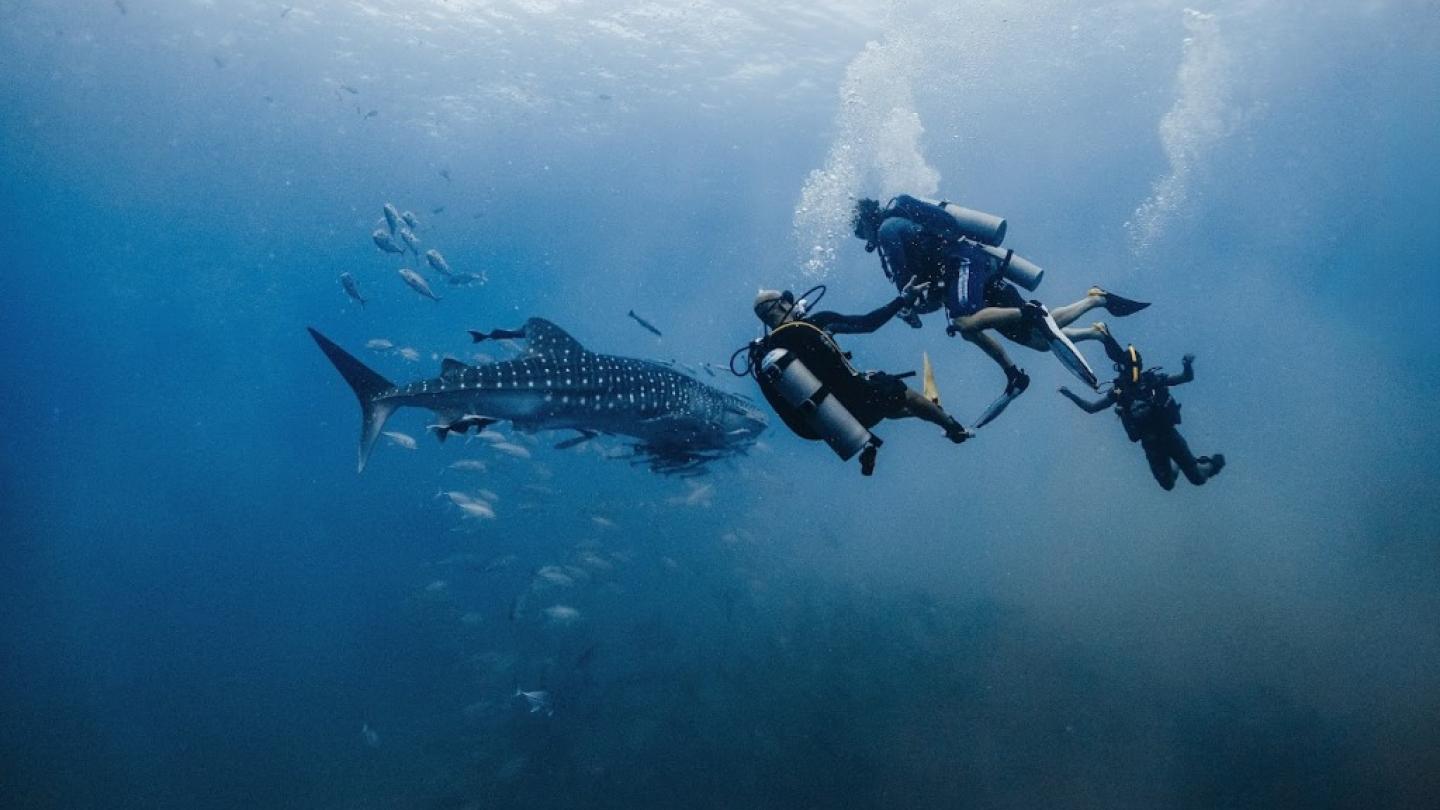
Koh Tao remains the world capital for learning scuba diving. At the heart of this global reputation stands a name woven into the island’s history for over three decades: Big Blue Diving. Established on the island since 1991, the center has trained tens of thousands of divers, weathered international crises, and helped establish modern underwater instructional standards in the Gulf of Thailand.
To understand what truly sets this institution apart, the SawaLife editorial team took the plunge: we completed the entire Open Water Diver certification at Big Blue as absolute beginners, with zero prior diving experience. Complementing this hands-on field experience is an extensive, transparent interview with Jim Donaldson, co-owner and iconic figurehead of the center, who shares a candid account of the school's history, radical decisions, and inner workings.
1. The Editorial Experience: Starting from Zero with Big Blue
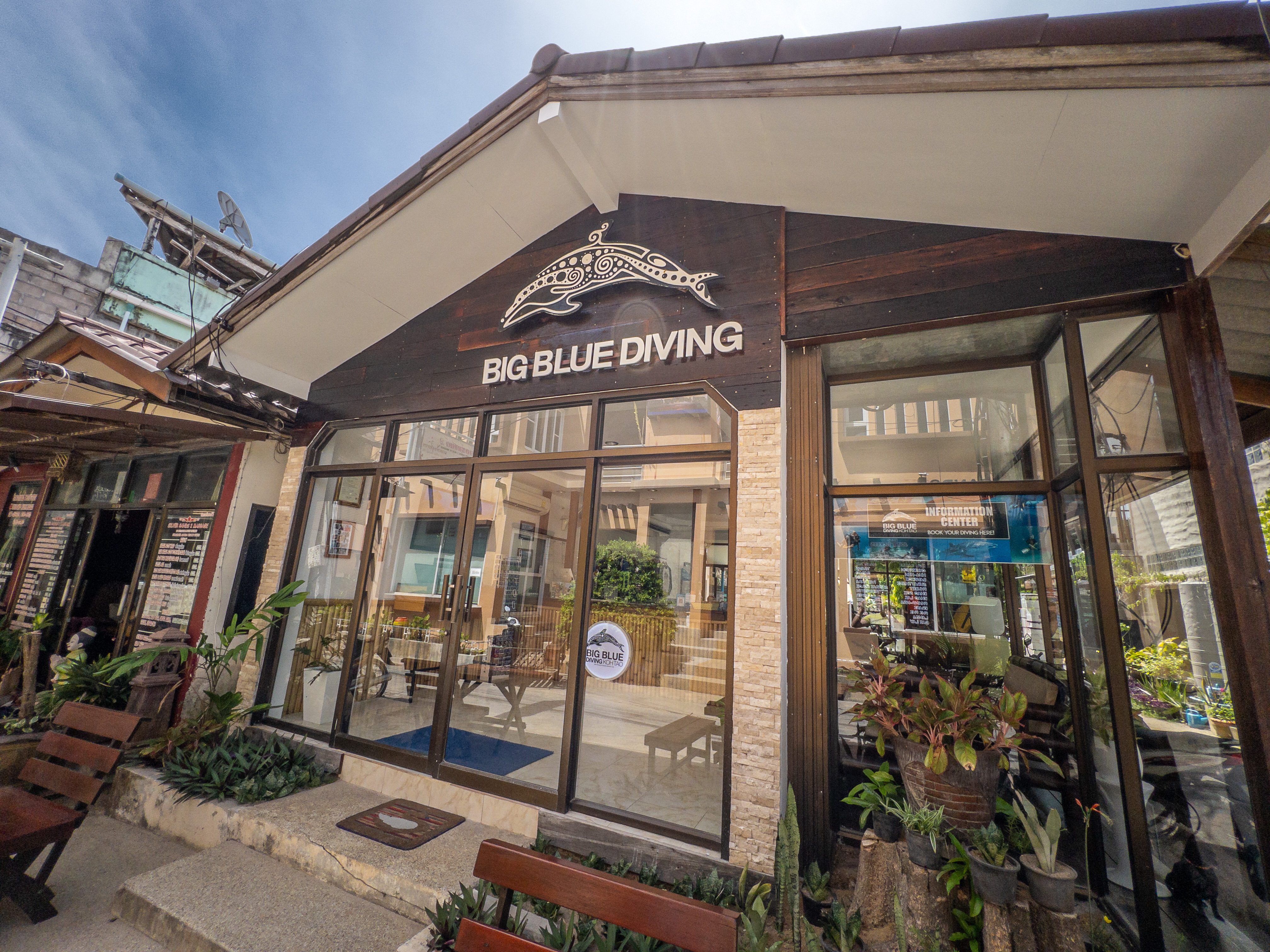
Taking your first breaths underwater inevitably brings a mix of excitement and apprehension. Breathing through a regulator several meters beneath the surface challenges basic terrestrial instincts. From the moment we stepped onto Big Blue’s grounds, the initial impression set the tone: a relaxed, welcoming island vibe immediately anchored by uncompromising technical rigor and logistical precision.
Individual Care and Small Group Dynamics
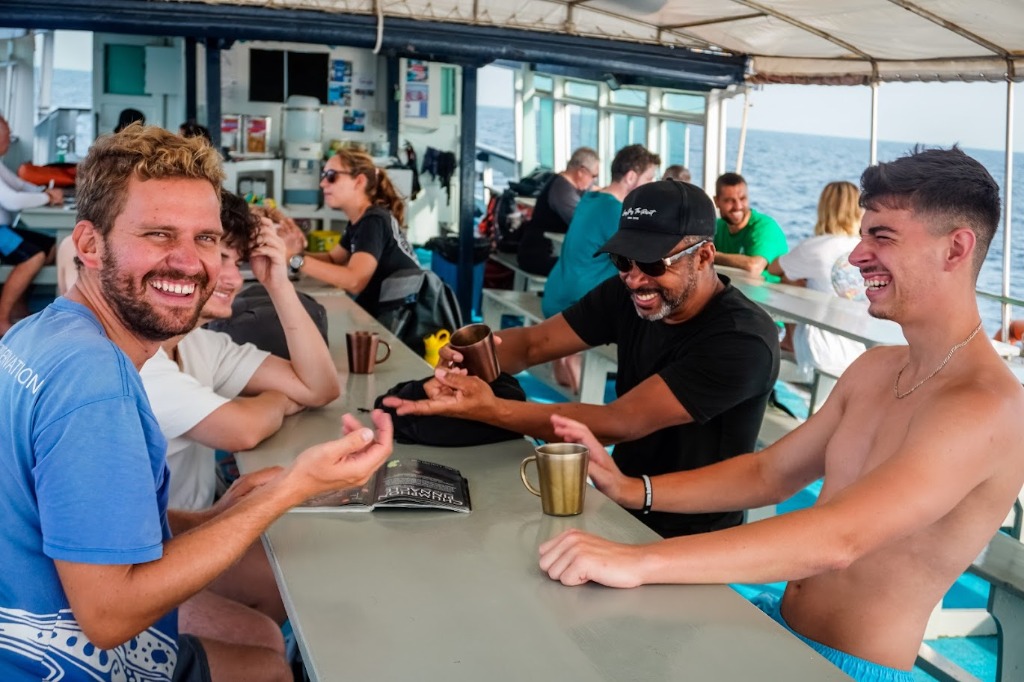
One of the most defining strengths we experienced firsthand was the restricted group size. Far from high-volume operations where an instructor herds ten students at once, we trained in a small cohort. This allowed our instructor to observe every facial cue, anticipate the slightest sign of hesitation, and dedicate ample time to repeating essential safety drills. The instructor’s patience, calmness, and warmth instantly neutralized any emerging anxiety.
Multilingual Digital Learning at Your Own Pace
Another decisive advantage for international students: Scuba Schools International (SSI) educational modules are available through an intuitive digital app fully localized in all major languages. We reviewed dive physics, pressure dynamics, and decompression fundamentals on our tablets and smartphones well before getting wet, making in-person briefings clear, conversational, and focused on practical mastery.
2. History and Resilience of a Koh Tao Pioneer (Since 1991)
When Big Blue Diving opened its doors in 1991, Koh Tao was a rustic outpost powered by intermittent generators and disconnected from modern conveniences. Surviving that first year was already a monumental feat in the island’s nascent tourism industry.
"The first milestone was surviving year one, which in the dive business is a significant achievement and not one you should take for granted," Jim Donaldson reflects. "Next came opening a dive resort, followed shortly by the dawning realisation that we were going to need a bigger boat. We did."
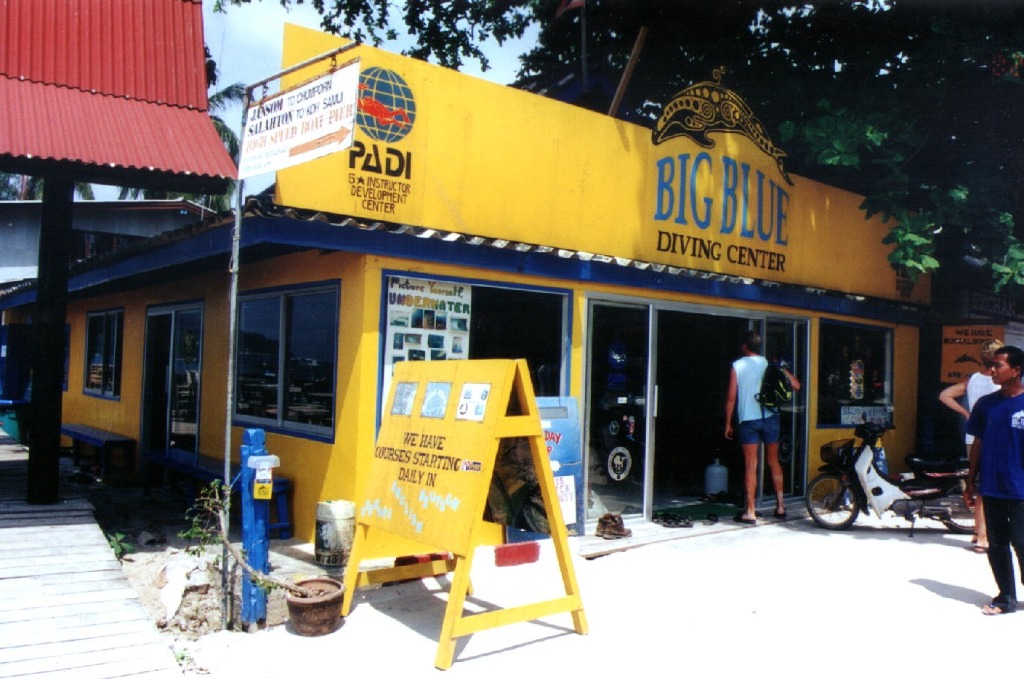
Over the following decades, the school broadened its horizons: launching Big Blue Tech (specializing in technical diving, trimix gas blending, and deep wreck exploration), founding Big Blue Conservation to protect local marine habitats, and opening a second resort property.
In 2013, Big Blue earned major international recognition: it was officially certified as the largest SSI Training Center in the world, boasting the second-highest number of diver certifications globally across all training agencies. More recently, the team opened a dedicated stand-alone retail store carrying exclusive Big Blue apparel and gear.
Yet beyond milestones and statistics, Jim Donaldson emphasizes what he calls the accumulation of sediment:
"Plenty of dive schools are good. Few have thirty-odd years of relationships, local knowledge, and accumulated mistakes to draw on. Longevity is what really sets us apart."
3. Choosing Independence: From Expulsion by PADI to Conviction in SSI
One of the most intriguing chapters in Big Blue’s trajectory involves its organizational affiliation. While many might assume the switch was a calculated business strategy, the reality is far more direct: Big Blue was expelled by PADI.
For years, the dive center operated courses under PADI, SSI, and BSAC concurrently, requiring instructors to hold dual or triple credentials. When students asked which certification to pursue, instructors—who knew every curriculum inside and out—consistently pointed them toward SSI. They simply found its progressive, modular teaching style superior and more attuned to diver comfort.
No management mandate dictated this preference; instructors did it out of genuine instructional conviction. PADI took note and issued a strict ultimatum: teach exclusively PADI or leave the agency. Refusing to compromise its instructors’ pedagogical freedom, Big Blue declined. PADI promptly expelled them.
The school went 100% all-in on SSI and never looked back. The lasting outcome is a team of instructors who teach a curriculum they genuinely believe in, conveying that unreserved confidence directly to their students.
4. Navigating the Storm: The Pandemic and the Legacy of Michael Spjuth
Big Blue’s journey has also faced immense heartache. The prolonged border closures of the Covid-19 pandemic paralyzed Koh Tao’s economy. In the midst of this unprecedented crisis, the center suffered the tragic loss of its founder, Michael Spjuth, in a motorbike accident.
To survive, leadership made difficult yet disciplined decisions: downsizing physical footprints, maintaining all three dive vessels in seaworthy condition, and ensuring local Thai staff remained employed throughout the drought.
Crucially, survival was supported by lifelong island relationships. The school found a home and support with the local family owning Silver Sand Resort—a bond forged twenty years earlier over casual beachfront drinks. That human solidarity carried Big Blue through the storm, ensuring the doors stood open the moment international travel resumed.
5. The Training Method: Why Confined Pool Sessions Change Everything
While some dive centers conduct confined-water sessions in shallow coastal bays, Big Blue invested in a purpose-built training pool engineered with varying depth levels.
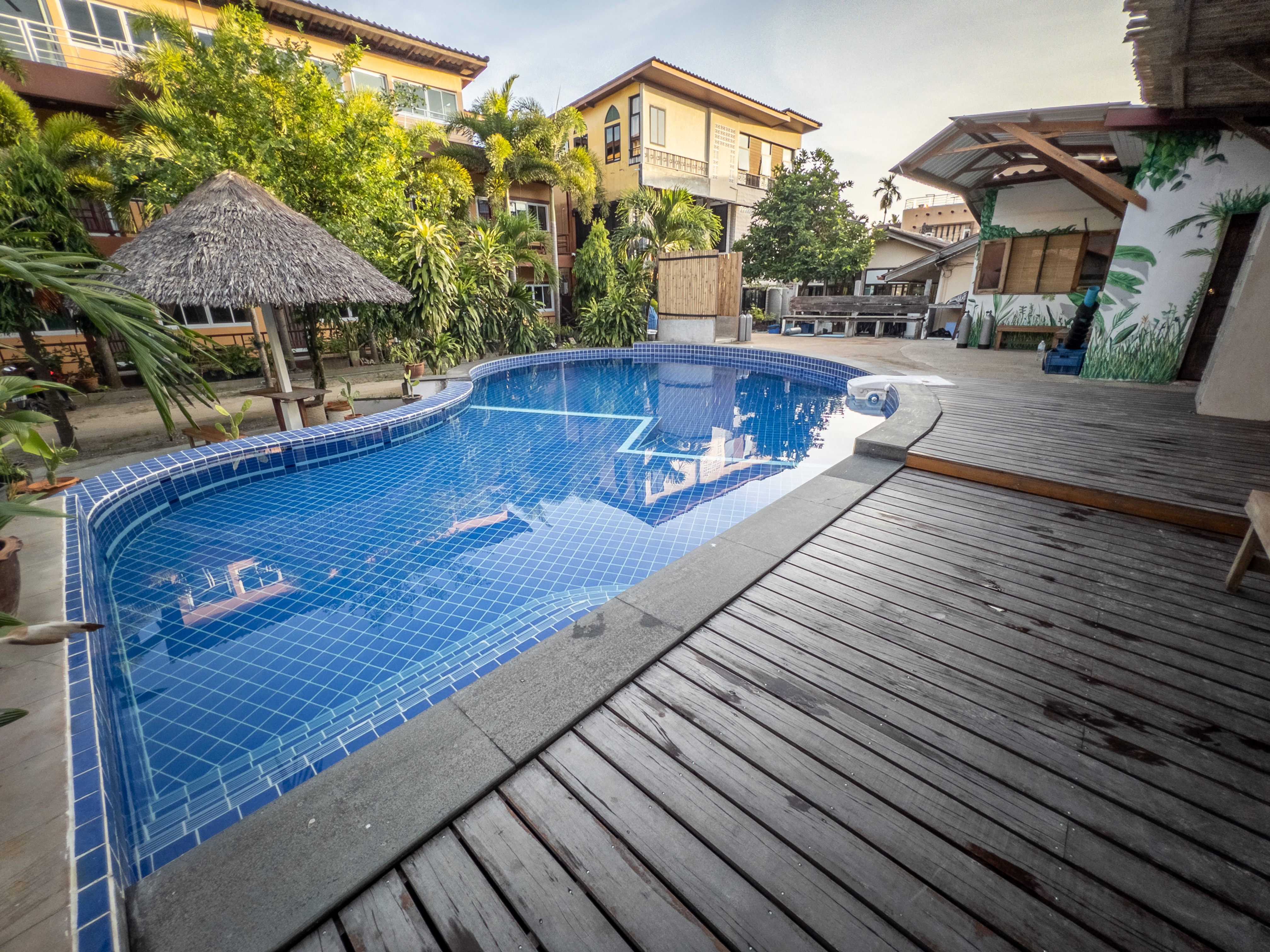
For Jim Donaldson, this distinction is critical:
"In the sea, even in a sheltered bay, the environment is unpredictable. An unexpected surge or wave knocks a beginner off balance like a nightclub bouncer. Sand gets stirred up, visibility drops, and a novice already adjusting to regulator breathing becomes overwhelmed by sensory input."
In the controlled training pool, conditions are pristine:
- Crystal-clear water allows constant, uninterrupted eye contact with the instructor.
- Zero currents, zero swells, and no marine life to distract or alarm students.
- Buoyancy control, mask clearing, and regulator recovery are repeated until they become second nature.
Only after these motor skills become second nature do students step onto the dive boats for open ocean descents. By then, entering the sea feels like an exciting adventure rather than an intimidating trial.
6. Safety, Ear Equalization, and Managing Underwater Anxiety
For most newcomers, the primary physical hurdle is equalizing pressure in the ears. While the Valsalva maneuver sounds straightforward on paper, proper timing underwater is essential.
The Golden Rule: Equalize Early and Often
Jim Donaldson underscores the golden rule drummed into every student: equalize before feeling any pinch or discomfort. Waiting for pain means waiting too long. If an ear fails to clear, the instructor halts descent, ascends half a meter, encourages gentle swallowing or jaw movement, and resumes only when comfortable. Tinnitus is exceedingly rare and almost always temporary, frequently linked to attempting to dive while congested.
Deconstructing Irrational Fears
Psychologically, the two most common anxieties involve running out of air or panicking underwater. Big Blue’s instructors dismantle these fears step by step:
- Every piece of scuba gear is double-checked using systematic buddy checks before entering the water.
- Students practice sharing air on an alternate regulator, clearing fully flooded masks with eyes open, and monitoring submersible pressure gauges.
- Thanks to this calm, unhurried progression, certification rates remain remarkably high. Students facing difficulties are given personalized private sessions rather than being pushed out.
7. Big Blue Conservation: Upcoming Projects and Marine Research
Over three decades, Koh Tao’s marine ecology has felt the effects of rising sea temperatures and tourism growth. Embracing its responsibility toward the sea, the center is preparing major new initiatives through Big Blue Conservation.
Ambitious Projects in Planning and Launch Phase
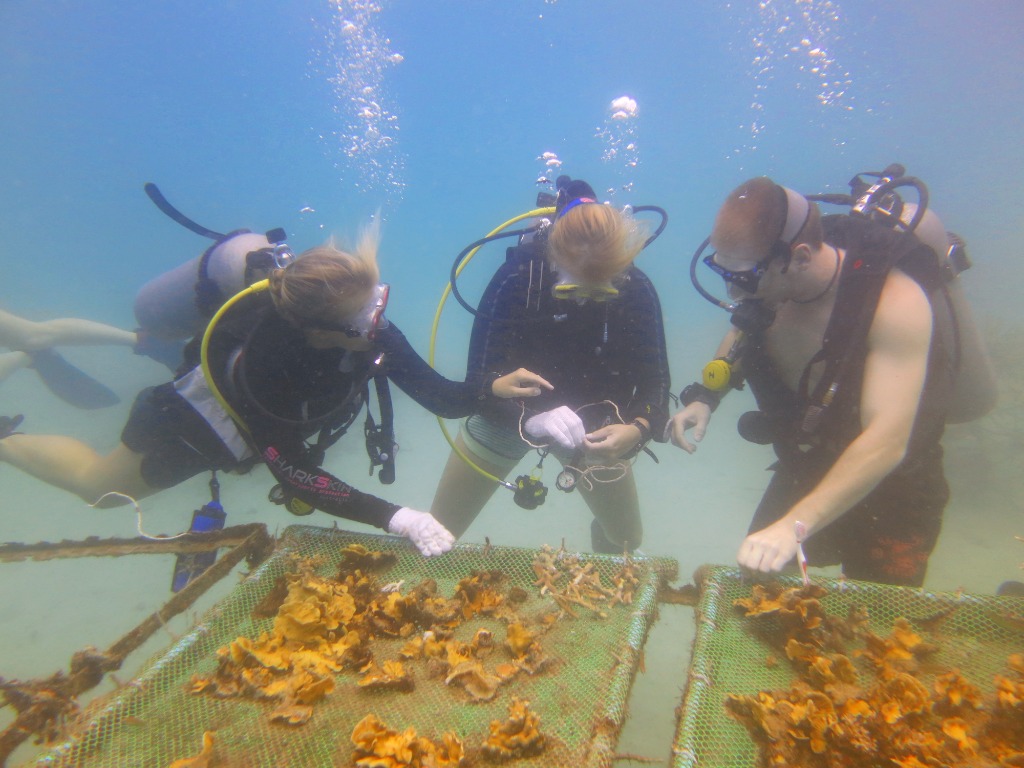
The center’s environmental vision looks far beyond routine beach cleanups. Big Blue is currently setting up and preparing to launch several pioneering scientific initiatives:
- 3D-Printed Concrete Artificial Reefs (in development): designing modular structures to encourage coral larval settlement and provide nurseries for juvenile fish.
- Thermal Stress and Coral Bleaching Monitoring (launching soon): deploying continuous temperature tracking protocols to monitor thermal stress zones and evaluate reef resilience.
- Specialist Macro-Fauna Research (planned rollout): targeted scientific research focused on specialist marine creatures in pristine, un-dived locations around Koh Tao, rather than monitoring standard popular dive sites.
A Balanced, Hopeful Environmental Perspective
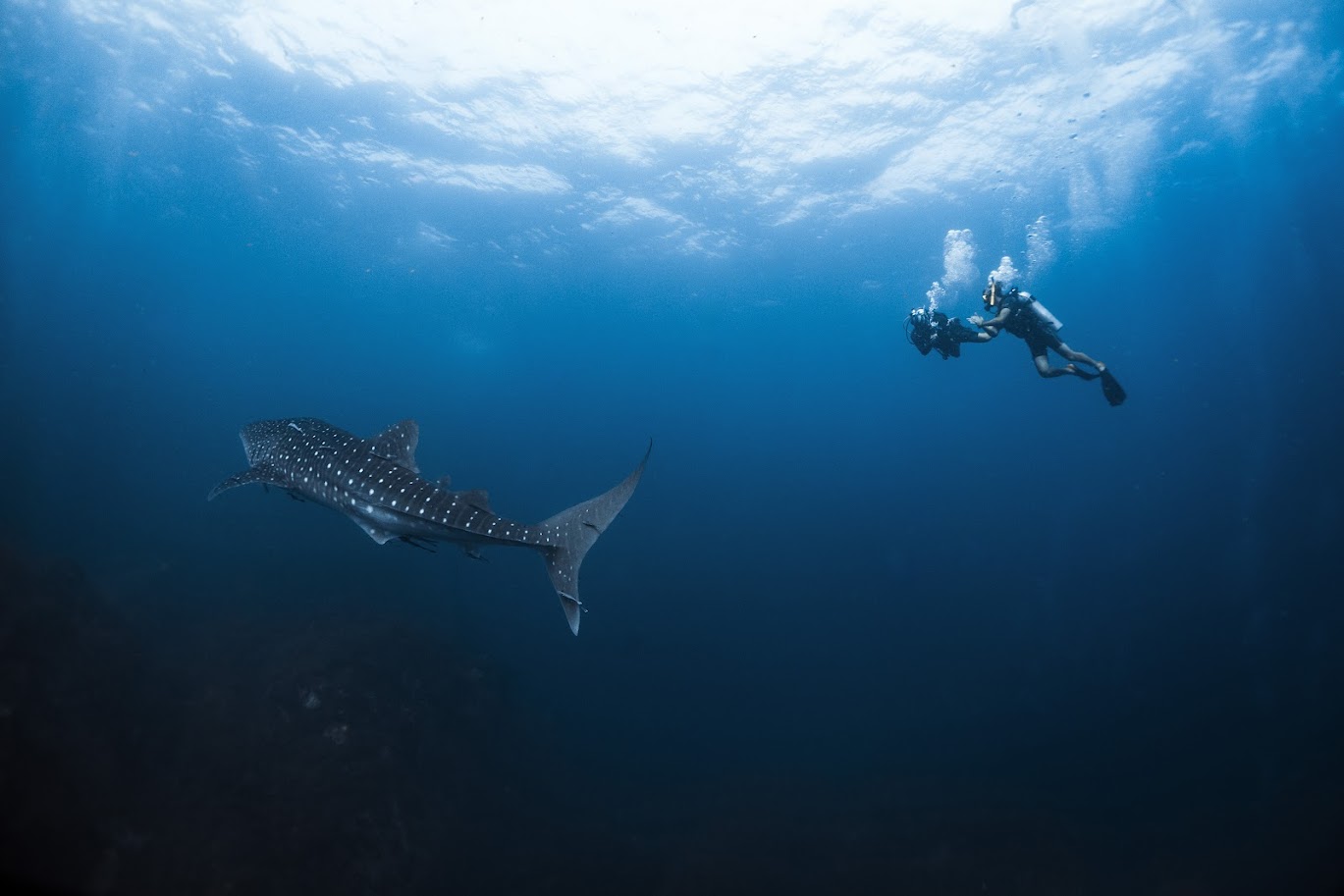
Looking back over thirty years of diving around Koh Tao, Jim Donaldson offers a measured perspective: while live hard coral cover has faced serious bleaching challenges from ocean warming, artificial reefs and submerged structures have matured remarkably. Fish populations remain resilient, healthy, and diverse. Blacktip reef sharks, stingrays, whale sharks, and sea turtles continue to frequent celebrated dive sites like Chumphon Pinnacle, Southwest Pinnacle, and Sail Rock.
8. The Future of Big Blue: The Major Relaunch of Big Blue Conservation
Today, Big Blue Diving attracts an energetic, international community of divers aged 18 to 35 (with an even 50/50 gender balance), welcoming students from the UK, Germany, France, Spain, the Netherlands, Australia, and an accelerating wave of travelers from Malaysia, Singapore, and India.
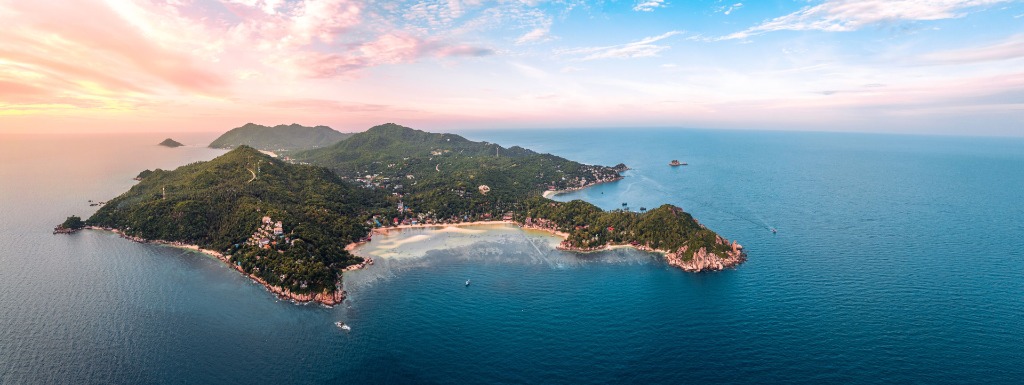
Looking ahead, Big Blue’s primary ambition is focused squarely on a major relaunch of Big Blue Conservation. The center is actively structuring the branch as a dedicated not-for-profit entity so that it can act as a recognized research center, alongside offering educational visas (ED visas) to prospective conservation candidates and research students.
While reopening a beachfront dive resort with rooms and a restaurant is something Jim Donaldson would love to achieve down the road, it would represent a massive capital investment on an island where beachfront space is strictly limited. For now, scientific discovery, marine research, and education form the true heartbeat of Big Blue's future.
Editorial Verdict
For anyone contemplating getting scuba certified in Thailand, Big Blue Diving represents the gold standard where technical safety and genuine human warmth intersect. Our firsthand experience as novices was empowering, smooth, and deeply memorable from the very first pool session to our final ocean logbook stamp. A legendary Koh Tao institution that SawaLife recommends without hesitation.
