Skip to content
BETA

Menu

Account

Language

Thailand knowledge

Articles about Thailand

Clear, reviewed information to help you plan your Thailand journey with confidence.

  • Travel

    Comprehensive guide to Bangkok's sacred landmarks: Grand Palace, Wat Pho, Wat Arun, Wat Saket, Wat Traimit. Official entry fees, operating hours, strict dress codes, and river transit.

    2 min read

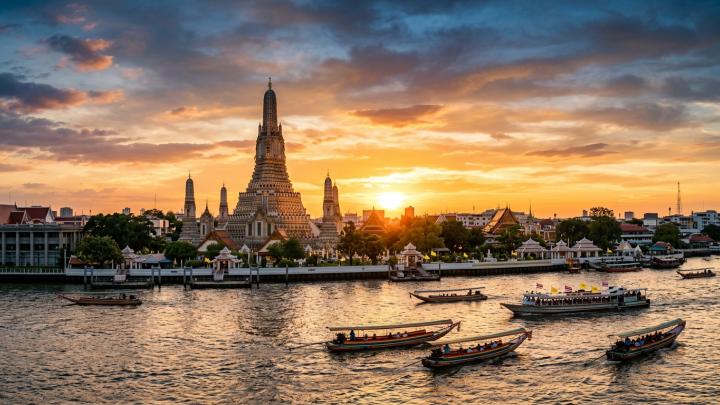
    Panoramic view of Wat Arun Temple of Dawn along the Chao Phraya river during golden hour in Bangkok

    Travel

    Visiting Bangkok's Iconic Temples: Entry Fees, Opening Hours, Dress Codes, and Practical Guide

    Last reviewed: 18 September 2026 Written by Ricardo Santos

    Sawalife Editorial / Siamese Sacred Architecture

    Comprehensive guide to Bangkok's sacred landmarks: Grand Palace, Wat Pho, Wat Arun, Wat Saket, Wat Traimit. Official entry fees, operating hours, strict dress codes, and river transit.

    Bangkok's Buddhist temples (Wat) represent the spiritual and architectural heart of Thailand. With over 400 monasteries across the metropolis, a core selection of iconic sanctuaries embodies the finest Siamese artistry.


    Official Entry Fees and Opening Hours

    Temple Foreign Entry Fee Opening Hours Key Highlight
    Grand Palace & Wat Phra Kaew 500 THB (includes museum & Khon show) 08:30 – 15:30 daily Sacred Emerald Buddha & Ramakien murals
    Wat Pho (Reclining Buddha) 300 THB 08:00 – 18:30 daily 46m gold-leaf Reclining Buddha & massage school
    Wat Arun (Temple of Dawn) 200 THB 08:00 – 18:00 daily 82m porcelain-inlaid central prang on Chao Phraya
    Wat Saket (Golden Mount) 100 THB 07:30 – 19:00 daily 360° historic Bangkok panoramic rooftop view
    Wat Traimit (Golden Buddha) 100 THB (temple) / 140 THB (museum) 08:00 – 17:00 daily 5.5-tonne solid gold Buddha in Chinatown
    Wat Benchamabophit (Marble Temple) 100 THB 08:30 – 17:30 daily Italian Carrara marble classical Thai architecture

    Strict Temple Dress Code

    • Upper Body: Shoulders, upper arms, and chest must be fully covered. No sleeveless tops or sheer fabrics.
    • Lower Body: Pants or skirts must extend past the knees. Torn jeans and athletic shorts are prohibited.
    • Footwear: Shoes must be removed before stepping across raised thresholds into sacred ordination halls (ubosot).

    River Logistics and Scam Prevention

    • Ferry Transport: Use the orange-flag Chao Phraya Express Boat (16 THB) or cross-river ferries (5 THB).
    • "Temple is Closed" Scam: Disregard touts or tuk-tuk drivers outside gates claiming the palace is closed. Official ticket booths are open daily.

    Sources

  • Travel

    Comprehensive guide to weather in Thailand during December: prime sunshine along the Andaman coast and Central plains, cool mountain nights in the North, and peak-season booking strategies.

    1 min read

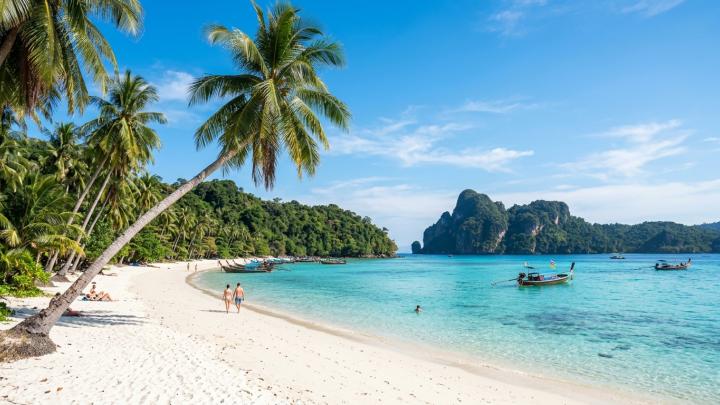
    Sunny tropical beach with crystal turquoise waters and palm trees in Southern Thailand during December

    Travel

    Thailand Weather in December: Regional Climate Guide and Peak Season Travel Tips

    Last reviewed: 18 September 2026 Written by Ricardo Santos

    Sawalife Editorial / Tropical Coastal Photography

    Comprehensive guide to weather in Thailand during December: prime sunshine along the Andaman coast and Central plains, cool mountain nights in the North, and peak-season booking strategies.

    December represents peak travel season across Thailand. Falling in the prime of the cool, dry winter, it features clear blue skies, minimal precipitation, and calm coastal waters.

    Regional Conditions:

    • Central Plains & Bangkok: Crisp, sunny days (30°C) with pleasant evenings (21°C). Ideal for urban exploration.
    • Northern Highlands: Warm daytime sunshine (28°C) shifting to crisp nights (12–15°C; near freezing on Doi Inthanon summit).
    • Andaman Coast: Pristine turquoise waters, zero swell, and optimal visibility for marine activities.
    • Gulf of Thailand: Progressive clearing throughout December with sunny weather arriving towards the festive holidays.

    Peak Season Strategies:

    1. Advance Bookings: Domestic flights, sleeper trains, and prime island resorts should be secured well in advance.
    2. Alternative Destinations: Consider quieter islands like Koh Yao Noi, Koh Jum, or Koh Kradan to escape holiday congestion.

    Sources

  • Travel

    Climatic and geographical guide to Thailand in November: the transition to the cool dry season, weather contrasts between the Andaman and Gulf coasts, and top regional itineraries.

    1 min read

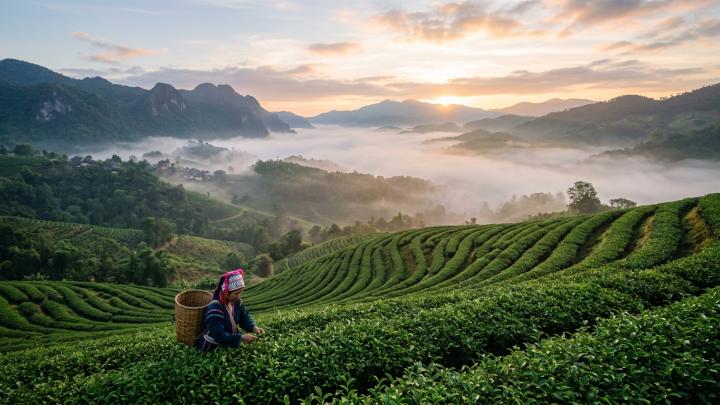
    Lush green tea plantations and morning mountain mist in Northern Thailand during November

    Travel

    Traveling to Thailand in November: Regional Weather, Top Destinations, and Seasonal Insights

    Last reviewed: 18 September 2026 Written by Ricardo Santos

    Sawalife Editorial / Northern Thailand Scenic Landscape

    Climatic and geographical guide to Thailand in November: the transition to the cool dry season, weather contrasts between the Andaman and Gulf coasts, and top regional itineraries.

    November marks a defining seasonal transition in Thailand, as the southwest monsoon recedes and the cool, dry season commences across most parts of the country.

    It offers an optimal balance: revitalized lush landscapes, comfortable temperatures, and pre-peak accommodation pricing.


    Regional Climate Summary

    • Northern Highlands (Chiang Mai, Chiang Rai): Sunny, clear skies, daytime averages around 29°C, dropping to crisp 16–18°C at night. Prime conditions for trekking and cultural touring.
    • Central Plains & Bangkok: Sharp drop in rainfall, declining humidity, comfortable city exploration.
    • Andaman Coast (Phuket, Krabi, Koh Lanta): Calmer seas, sunny skies, reopening of the Similan and Surin Marine National Parks.
    • Lower Gulf of Thailand (Koh Samui, Koh Phangan, Koh Tao): Caution: November represents the localized monsoon peak for the southern Gulf.

    Why Visit in November?

    • Festival Highlights: Experience the nationwide magic of Loy Krathong and Chiang Mai's Yi Peng lantern festival.
    • Pre-Peak Value: Favorable hotel rates before mid-December peak surcharges.
    • Lush Natural Scenery: Waterfalls and national parks at peak vitality following seasonal rains.

    Sources

  • Travel

    Discover the spiritual significance and celebration guide for Loy Krathong and Yi Peng in Thailand: lunar dates, premier locations in Chiang Mai and Bangkok, and eco-friendly practices.

    1 min read

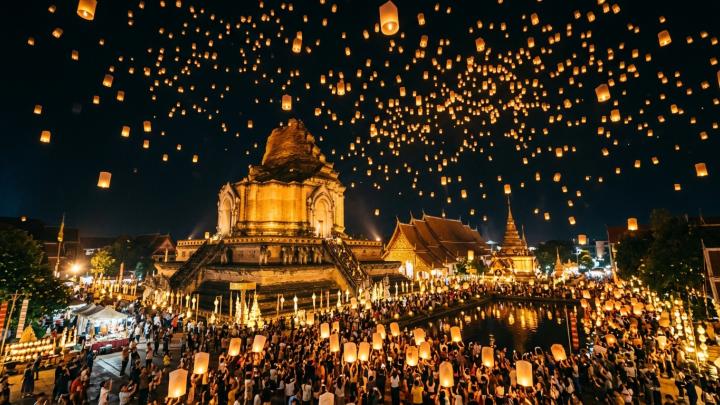
    Thousands of glowing sky lanterns released over an ancient temple in Chiang Mai during Yi Peng festival

    Travel

    Loy Krathong and Yi Peng: Traditions, Lunar Calendar, and Festival Guide

    Last reviewed: 18 September 2026 Written by Ricardo Santos

    Sawalife Editorial / Cultural Heritage Photography

    Discover the spiritual significance and celebration guide for Loy Krathong and Yi Peng in Thailand: lunar dates, premier locations in Chiang Mai and Bangkok, and eco-friendly practices.

    Every autumn, Thailand hosts two of Southeast Asia's most visually captivating cultural celebrations: Loy Krathong and the Northern Lanna festival of Yi Peng.

    While often celebrated concurrently, they represent distinct cultural legacies unified under the full moon of the traditional Thai lunar calendar.


    Understanding the Differences

    • Loy Krathong (Nationwide): Floating floral baskets with candles onto rivers and waterways to express reverence to the water goddess (Phra Mae Khongkha).
    • Yi Peng (Lanna / Northern Thailand): Releasing sky lanterns (khom loy) into the night sky to symbolize shedding past misfortunes.

    Festival Dates and the Lunar Cycle

    Festival dates are determined strictly by the 12th full moon of the traditional Thai lunar calendar, which typically falls in November. Celebrations generally span two to three days.

    Prime Celebration Hubs in Chiang Mai:

    • Nawarat Bridge & River Ping: The primary public gathering point for floating krathongs and admiring river reflections.
    • Wat Phan Tao & Wat Chedi Luang: Serene candlelit monastery ceremonies and monk chanting.
    • Tha Phae Gate: Official festival parades, traditional Lanna musical performances, and cultural exhibitions.

    Environmental Stewardship

    Always choose organic krathongs constructed from banana tree trunks, fresh leaves, and natural flowers. Synthetic foam materials are strictly prohibited.

    Sources

  • Travel

    Step-by-step guide to clearing immigration at Suvarnabhumi (BKK) and Don Mueang (DMK): mandatory document checklist, biometric gates, customs, and transport to central Bangkok.

    1 min read

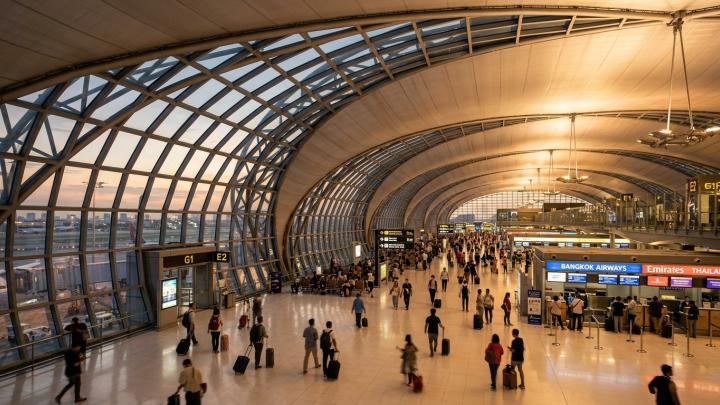
    Modern passenger concourse and terminal architecture at Bangkok Suvarnabhumi International Airport

    Travel

    Navigating Immigration at Bangkok Airports: Procedures, Required Documents, and Arrival Guide

    Last reviewed: 18 September 2026 Written by Ricardo Santos

    Sawalife Editorial / Modern Aviation Architecture

    Step-by-step guide to clearing immigration at Suvarnabhumi (BKK) and Don Mueang (DMK): mandatory document checklist, biometric gates, customs, and transport to central Bangkok.

    International arrivals into Bangkok process through either Suvarnabhumi Airport (BKK) or Don Mueang International Airport (DMK).

    Pre-Arrival Checklist:

    1. Passport: 6 months remaining validity, undamaged condition.
    2. Onward Flight: Confirmed ticket departing within the allowed duration.
    3. Accommodation Proof: Hotel voucher or address of stay.
    4. Cash Reserve: 10,000–20,000 THB cash equivalent available upon inspection.

    Ground Transportation to City Center:

    • Suvarnabhumi (BKK): Airport Rail Link (ARL) directly to Phaya Thai BTS (45 THB, 26 min), or Level 1 official metered taxis.
    • Don Mueang (DMK): SRT Dark Red Line rail link to Krung Thep Aphiwat Central Station, or express shuttle buses (A1-A4).

    Sources

  • Visa & Immigration

    Analysis of statutory criteria applied by Thailand's Immigration Bureau: understanding grounds for non-admission under Section 12, patterns of excessive stay, and secondary inspection procedures.

    2 min read

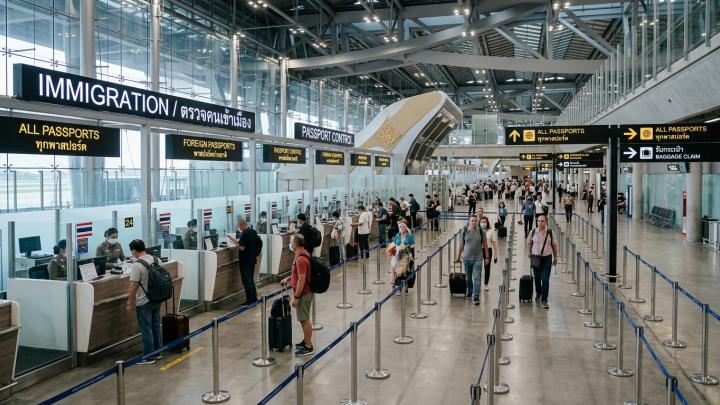
    Passport control and immigration inspection checkpoint at a Thai international airport

    Visa & Immigration

    Border Controls and Entry Refusals in Thailand: Legal Grounds and Prevention

    Last reviewed: 18 September 2026 Written by Ricardo Santos

    Sawalife Editorial / International Border Control Documentation

    Analysis of statutory criteria applied by Thailand's Immigration Bureau: understanding grounds for non-admission under Section 12, patterns of excessive stay, and secondary inspection procedures.

    Thailand's border checkpoints process tens of millions of foreign arrivals every year. While the overwhelming majority experience quick and seamless processing, statutory entry refusals are actively enforced under Section 12 of the Thailand Immigration Act B.E. 2522 (1979).

    Understanding how immigration officers assess entry eligibility helps travelers ensure their documentation meets all statutory thresholds.


    Statutory Grounds for Non-Admission (Section 12)

    Thai immigration authorities possess statutory powers to deny entry under specific legal grounds:

    • Section 12(1): Lack of a valid passport or presentation of a damaged/altered travel document.
    • Section 12(2): Insufficient funds for the duration of stay (lack of required physical cash).
    • Section 12(3): Reasonable grounds to suspect unauthorized employment or lack of proper work authorization.
    • Section 12(6): Failure to produce confirmed onward travel documentation out of Thailand.
    • Section 12(8): Prior inclusion on official immigration watchlists or deportation blacklists.

    Primary Triggers for Heightened Scrutiny

    1. Repetitive "Visa Runs" and Continuous Tourist Stays: Consecutive back-to-back entries under visa exemptions or tourist visas signal de facto residence rather than bona fide tourism.
    2. Unauthorized Remote Work or Local Employment: Operating locally without proper business, digital nomad (DTV), or work visas.
    3. Cash Requirements: Inability to physically display 10,000–20,000 THB (individual) or 20,000–40,000 THB (family) when challenged under Section 12(2).
    4. Physical Passport Condition: Damaged binding, water stains, missing pages, or unofficial souvenir stamps.

    Sources

  • Visa & Immigration

    Comprehensive guide to Thailand's visa exemption scheme: mandatory entry requirements, proof of funds, extension procedures at Immigration offices, and overstay regulations.

    2 min read

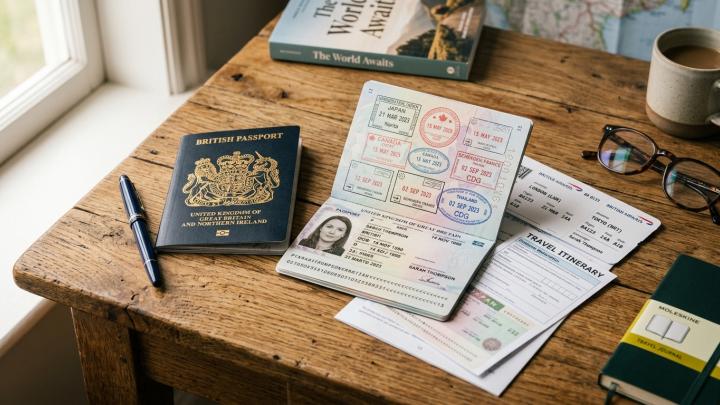
    International passport with official entry stamps and travel documentation for Thailand

    Visa & Immigration

    Thailand Visa Exemption and Tourist Stays: Regulations, Durations, and Extensions

    Last reviewed: 18 September 2026 Written by Ricardo Santos

    Sawalife Editorial / Travel Documentation Photography

    Comprehensive guide to Thailand's visa exemption scheme: mandatory entry requirements, proof of funds, extension procedures at Immigration offices, and overstay regulations.

    Thailand's visa exemption scheme is the primary entry route for tourists holding passports from over 90 designated countries. While it affords significant travel flexibility, entry under this scheme is governed by strict legal parameters established under the Thailand Immigration Act B.E. 2522 (1979) and ministerial directives.

    Understanding the mandatory requirements, financial checks, and extension protocols ensures seamless entry and full regulatory compliance.


    Mandatory Criteria for Entry Under Visa Exemption

    Immigration admission at Thai border checkpoints is discretionary and conditional upon fulfilling the following statutory criteria:

    1. Passport Validity and Condition: Must possess at least 6 months of validity from the date of arrival and minimum two blank visa pages. Passports with water damage, tears, or missing pages will be refused.
    2. Confirmed Proof of Onward Travel: Travelers must present a confirmed commercial transport ticket (flight, train, or ferry) departing Thailand within the permitted visa exemption period. Unconfirmed reservations or open-ended tickets are routinely rejected.
    3. Sufficient Financial Resources: Under Section 12(9) of the Immigration Act, immigration officers may verify financial solvency:
      • Individual: Minimum 10,000 to 20,000 THB (or convertible foreign currency cash equivalent).
      • Family unit: Minimum 20,000 to 40,000 THB.
    4. Verifiable Accommodation: Address of hotel or private residence documented for the initial stay duration.

    Length of Stay and 30-Day In-Country Extension (TM.7)

    Tourists admitted under the visa exemption scheme may apply for a one-time 30-day extension at any Royal Thai Immigration Bureau provincial office (e.g., Bangkok Chaengwattana/IT Square Laksi, Phuket, Chiang Mai, Pattaya, Samui).

    Required Extension Documents

    • Original passport with copies of the photo page, entry stamp, and current permission of stay.
    • Completed Extension Application Form (TM.7).
    • One recent passport photo (4 x 6 cm, light background).
    • Proof of accommodation with active TM.30 residential notification receipt.
    • Official statutory fee: 1,900 THB in cash.
    Initial Exemption Stamp ➔ Application at Immigration Office (Form TM.7 + 1,900 THB) ➔ +30 Days Granted
    

    Overstay Penalties and Legal Ramifications

    Exceeding the authorized period of stay is an immigration offense resulting in immediate statutory penalties:

    • Financial Fine: 500 THB per day, up to a maximum statutory cap of 20,000 THB.
    • Re-entry Bans (Blacklisting):
      • Overstay exceeding 90 days (voluntary surrender): 1-year re-entry ban.
      • Overstay exceeding 1 year (voluntary surrender): 3-year re-entry ban.
      • Apprehension by authorities during an overstay: Immediate detention, deportation, and a 5 to 10-year re-entry ban.

    Sources

  • Travel

    How to craft a balanced 10-day itinerary in Thailand: essential highlights, transport logistics, realistic budgets, and tips to travel smoothly without exhaustion.

    4 min read

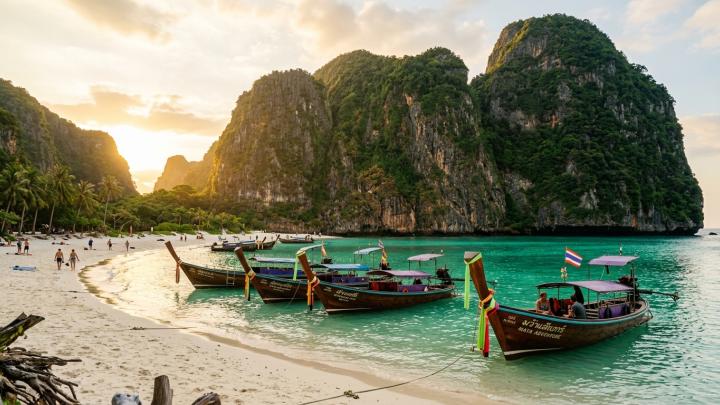
    Iconic limestone karst cliffs and traditional longtail boats in Southern Thailand

    Travel

    10-Day Thailand Itinerary: Recommended Routes and Practical Travel Guide

    Last reviewed: 18 September 2026 Written by Ricardo Santos

    Sawalife Editorial / Creative Commons Travel Photography

    How to craft a balanced 10-day itinerary in Thailand: essential highlights, transport logistics, realistic budgets, and tips to travel smoothly without exhaustion.

    A ten-day stay in Thailand provides an exceptional introduction to the Kingdom, provided your route is planned with intention. The single most common mistake among first-time visitors is attempting to cover too many destinations, reducing a memorable holiday into an exhausting marathon of airport check-ins and transit hubs.

    For a trip of this duration, the golden rule is simple: restrict your journey to three distinct geographical hubs: the vibrant capital of Bangkok, a cultural immersion in the North or central plains, and a coastal or island escape in the South.


    The 3-3-4 Strategy: A Balanced Blueprint

    This structured route showcases Thailand's three key facets without inducing travel fatigue:

    • Days 1 to 3: Bangkok and Surrounds (Royal heritage, historic riverways, and modern metropolis).
    • Days 4 to 6: Chiang Mai and Lanna Culture (Ancient temples, artisan quarters, and mountainous scenery).
    • Days 7 to 10: The Southern Seas (Andaman Coast or Gulf of Thailand, tailored to the season).
    [Days 1-3] Bangkok & Riverway ➔ [Days 4-6] Chiang Mai & North ➔ [Days 7-10] Southern Islands & Beaches
    

    Hub 1: Bangkok – Heritage and Urban Energy (Days 1 to 3)

    Day 1: Historic Bangkok and the Chao Phraya River

    After checking in, use the public river ferries (Chao Phraya Express Boat, orange flag) as your primary transit artery to bypass road traffic.

    • The Grand Palace and Wat Phra Kaew: The pinnacle of Siamese craftsmanship housing the sacred Emerald Buddha. Visit early morning (08:30) to beat the midday heat.
    • Wat Pho (Temple of the Reclining Buddha): Home to the monumental 46-meter gold-leaf Buddha and the historic birthplace of traditional Thai medical massage.
    • Wat Arun (Temple of Dawn): Located across the river in Thonburi, reached via a 5 THB cross-river ferry, famous for its porcelain-encrusted central prang.

    Day 2: Markets, Khlongs, and Cultural Quarters

    • Chinatown (Yaowarat): Morning stroll through the bustling alleys of Sampeng and a visit to Wat Traimit, home to the world's largest solid gold Buddha (5.5 tonnes).
    • Longtail Boat Cruise on the Thonburi Khlongs: Observe authentic riverside lifestyles and traditional wooden stilt houses.
    • Evening Food Trail: Savor Michelin-recognized street food along Yaowarat Road or Ban Tad Thong.

    Day 3: Heritage Excursion or Modern City

    • Heritage Choice: Ayutthaya Historical Park (UNESCO World Heritage capital, 75 minutes north by rail from Krung Thep Aphiwat Central Terminal).
    • Urban Choice: Jim Thompson House (traditional teak architecture) and the modern skywalks linking Siam and Lumphini Park.

    Hub 2: Chiang Mai and Northern Heritage (Days 4 to 6)

    Transit Options

    • Domestic Flight: 1h15 from Bangkok Suvarnabhumi (BKK) or Don Mueang (DMK).
    • Overnight Sleeper Train: The CNR Special Express No. 9 offers clean, air-conditioned first and second-class sleeper berths arriving refreshed in the morning.

    Highlights in Chiang Mai

    • The Old Walled City: Explore Wat Chedi Luang, Wat Phra Singh, and serene local temple courtyards on foot.
    • Wat Phra That Doi Suthep: Perched high on the mountain overlooking the valley, renowned for its golden pagoda and sacred atmosphere.
    • Lanna Cuisine & Night Markets: Sample Khao Soi (coconut curry noodle soup) and browse the Sunday Walking Street.

    Hub 3: Southern Islands and Coast (Days 7 to 10)

    Choose your coastal destination based on prevailing seasonal weather patterns:

    Option A: The Andaman Coast (Krabi, Koh Lanta, Phuket)

    Best from November to April (dry, sunny, and calm waters).

    • Krabi / Railay & Ao Nang: Towering limestone karsts, boat trips to Hong Islands and Phi Phi.
    • Koh Lanta: A relaxed, unhurried island pace suited to couples and independent travelers.

    Option B: The Gulf of Thailand (Koh Samui, Koh Tao, Koh Phangan)

    Best from January to August (sheltered from Andaman monsoon patterns).

    • Koh Tao: Renowned worldwide for accessible scuba diving and pristine coral bays.
    • Koh Samui: Comprehensive resort infrastructure, wellness centers, and coastal dining.

    Practical Budgeting and Travel Advice

    Expense Category Budget Traveler Comfort Traveler Premium Traveler
    Accommodation (per night) 500 – 900 THB (Hostel / Guesthouse) 1,500 – 3,000 THB (3-4★ Boutique Hotel) 4,500 – 10,000+ THB (5★ Luxury Resort)
    Daily Dining 250 – 400 THB (Street Food & Local Eateries) 600 – 1,200 THB (Casual Restaurants) 2,000+ THB (Fine Dining & Seafood)
    Local Transit River Boats, MRT/BTS, Songthaews Metered Taxis, Grab, Bolt Private Chauffeur / Dedicated Transfers

    Key Travel Principles

    1. Factor in Transit Times: Every regional transfer consumes at least half a day door-to-door.
    2. Observe Temple Etiquette: Shoulders and knees must remain covered at all religious sites for both men and women.
    3. Hydration and Pacing: Tropical heat requires a measured pace; schedule outdoor visits during morning and late afternoon hours.

    Sources

  • Travel

    A grounded checklist for coastlines, swimming, ferries and outdoor activity without promoting any operator.

    2 min read

    Thailand’s beaches and water activities: plan for conditions, not postcards

    Travel

    Thailand’s beaches and water activities: plan for conditions, not postcards

    Last reviewed: 16 July 2026 Written by Ricardo Santos

    Kelly / Pexels

    A grounded checklist for coastlines, swimming, ferries and outdoor activity without promoting any operator.

    Why this belongs on a Thailand itinerary

    Thailand’s coastlines are diverse, ranging from bustling urban waterfronts to remote islands and protected marine parks. A responsible itinerary prioritizes current conditions over the idealized imagery often found in travel media. Recognizing that the environment is dynamic is essential for any traveler planning to spend time near the water.

    Context and history

    Conditions at Thailand’s beaches are dynamic and depend on a variety of factors, including weather, tides, currents, boat traffic, and local management. A beautiful photograph cannot indicate whether a specific activity is safe or appropriate on any given day. Understanding this variability is the first step in planning a safe coastal visit, as the environment can shift rapidly regardless of seasonal expectations.

    How to experience it well

    Safety should be the primary driver of your activities. Always read flags and posted notices, as these are designed to inform you of current water conditions. Keep children within reach at all times when near the water, use approved equipment where required, and avoid swimming alone, especially at night. When visiting islands, remember that land-based safety—such as wearing a helmet, driving sober, and having a realistic plan for rain—is just as critical as your beach activities.

    What visitors need to know

    Official warnings and staff directions must always override any guidebook or online recommendation. This information does not replace the expertise of a lifeguard, park ranger, maritime authority, or medical professional. If you are unsure about the safety of an activity, seek guidance from local authorities on-site, as they possess the most accurate, real-time data regarding local hazards.

    Responsible decision-making

    Responsible travel involves acknowledging the limitations of your own experience and the unpredictability of the environment. By planning for potential changes in weather or sea conditions, you ensure that your trip remains enjoyable and safe. Avoid relying on third-party recommendations that may not account for the specific, real-time conditions of the coast, and always prioritize local safety protocols.

    Verification before travel

    Operational details, access, weather, conservation rules, ceremonies, and local instructions can change. Verify the current official information before travelling. For destination-specific profiles, refer to the Tourism Authority of Thailand — Ko Samui destination profile.

    Sources

  • Travel

    A visitor-friendly approach to temples, old towns, archaeological sites and royal landscapes across Thailand.

    2 min read

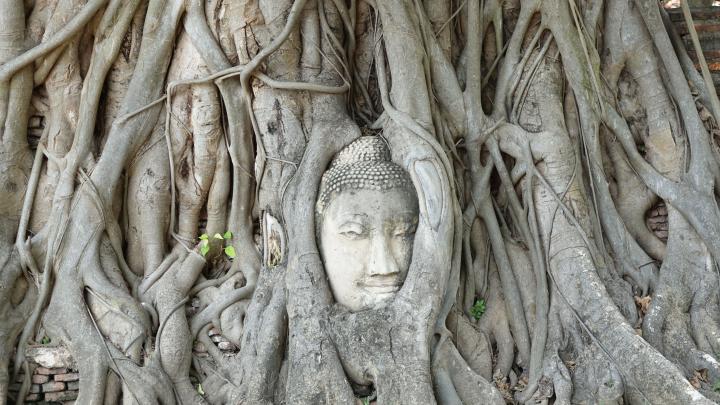
    Thailand through its places: how to read history without reducing it to a photo stop

    Travel

    Thailand through its places: how to read history without reducing it to a photo stop

    Last reviewed: 16 July 2026 Written by Ricardo Santos

    Laura Musikanski / Pexels

    A visitor-friendly approach to temples, old towns, archaeological sites and royal landscapes across Thailand.

    Why this belongs on a Thailand itinerary

    Thailand’s cultural sites offer a profound look into the nation's past, provided visitors approach them with depth. Moving beyond the surface-level "photo stop" allows for a more meaningful engagement with the country's diverse historical layers. By shifting the focus from capturing an image to understanding the site's narrative, travelers can better appreciate the complexity of the Thai landscape.

    Context and history

    Thailand’s cultural landscape is not defined by a single period or style. Bangkok serves as a window into the Rattanakosin era, while northern cities preserve the traditions of the Lanna kingdom. Phuket’s old town offers insight into a maritime trading history, and sites like Ban Chiang provide a much deeper archaeological horizon. Understanding these distinctions is key to appreciating the breadth of Thai history, as each location reflects a different facet of the nation's evolution.

    How to experience it well

    To truly read a site, look for the relationship between the architecture and its setting. Consider how the location—whether it be a river, mountain, old trade street, palace ground, or settlement landscape—shaped the site's purpose. Utilize museum interpretation and official site notices to distinguish between documented historical facts and local storytelling. This analytical approach helps in separating the physical reality of the site from modern interpretations.

    Respecting the past

    Archaeological remains and active religious sites are not mere props for photography. Respecting these spaces means adhering to all barriers, conservation work, and photography rules. Do not climb on structures, touch fragile surfaces, or treat restricted areas as optional. Your conduct directly impacts the preservation of these sites for future visitors, ensuring that the physical integrity of these historical markers remains intact.

    A framework for engagement

    When visiting, prioritize the context of the site over the speed of your itinerary. By taking the time to understand the significance of the murals, the layout of the courtyards, and the history of the settlement, you transform a simple visit into an educational experience. Treat every site as a living piece of history that requires care and attention, rather than a static backdrop for travel documentation.

    Verification before travel

    Operational details, access, weather, conservation rules, ceremonies, and local instructions can change. Verify the current official information before travelling. For further information on significant sites, consult the UNESCO World Heritage Centre — Ban Chiang Archaeological Site.

    Sources

  • Travel

    Mae Kampong, Doi Mae Salong, Pai's back roads: Northern Thailand rewards slow travel, between hill communities, Yunnanese tea, and a burning season worth planning around.

    3 min read

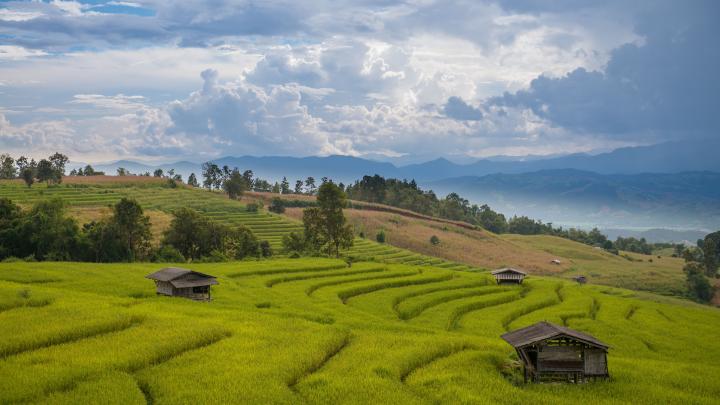
    Northern Thailand's secret side: mountain villages, tea plantations, and mist over Chiang Mai

    Travel

    Northern Thailand's secret side: mountain villages, tea plantations, and mist over Chiang Mai

    Last reviewed: 18 July 2026 Written by Ricardo Santos

    Photo by Pitipat Usanakornkul / Pexels

    Mae Kampong, Doi Mae Salong, Pai's back roads: Northern Thailand rewards slow travel, between hill communities, Yunnanese tea, and a burning season worth planning around.

    A geography read in altitude

    Northern Thailand doesn't read like the rest of the country: here, altitude organises everything — climate, crops, peoples. Past the outskirts of Chiang Mai, the road climbs toward Karen, Akha, Lahu, and Lisu hamlets that have sat on ridgelines at 1,000, 1,200, sometimes 1,800 metres for generations, where rice gives way to tea, coffee, and, higher still, vegetable crops introduced by the royal opium-substitution programmes of the 1970s. Understanding that agricultural history changes how you visit the region entirely: these aren't folkloric backdrops, but real, still-evolving mountain economies.

    Mae Kampong: the village that chose ecotourism over exodus

    Less than an hour's drive from Chiang Mai, but separated by enough switchbacks to discourage rushed day trips, Mae Kampong is a tea-growing village tucked in a damp valley, its wooden stilt houses lining a stream fed by a small community-run hydroelectric plant. Facing the rural exodus that was emptying the valley in the 1990s, residents built a homestay network instead of hotels — a choice that keeps the population in place and channels tourism income directly to families. You sleep in a wooden house, eat what the family has cooked, and walk to Mae Kampong's small waterfall in the late afternoon, just as mist starts settling between the tea bushes.

    Doi Mae Salong: the Thailand that still speaks Chinese

    Perched above 1,200 metres near the Myanmar border, Doi Mae Salong was founded by Kuomintang remnants after their 1949 retreat from China, and its identity remains deeply Yunnanese: curved-roof temples, a morning market selling medicinal herbs, and above all, entire hillsides covered in oolong tea plantations, introduced precisely by these refugees to replace poppy cultivation. Walking between the tea rows at sunrise, while mist still clings to the ridgelines, remains one of the least documented experiences in Northern Thailand — most travellers stop at Chiang Mai and Chiang Rai without ever detouring to this plateau.

    Pai on the back roads, not just Route 1095

    The main road to Pai, the infamous Route 1095 with its 762 curves, concentrates most of the tourist traffic and, with it, much of the questionable party-town folklore that has come to define the town for many. The secondary roads skirting the valley to the east, toward Ban Santichon (a Yunnanese village) or the Mo Paeng waterfalls, cross terraced rice fields and near-empty Lisu hamlets, offering a calmer version of the same region — a straightforward alternative for anyone who has already seen central Pai and wants something else.

    Burning season: the factor few itineraries plan around

    From late February to April, much of Northern Thailand — along with neighbouring Myanmar and Laos — goes through an agricultural burning season that sharply degrades air quality, at times ranking among the worst on the planet for that stretch. This factor, rarely flagged in standard itineraries, is worth checking before booking a trek or a Doi Inthanon climb in that window: the best stretch for hiking and clear air remains November to January, when mountain nights turn cool and skies are usually clean.

    Travelling these mountains without flattening them into scenery

    Visiting an ethnic minority village isn't visiting a living museum: it means asking before photographing residents, favouring guides and accommodation actually run by the community rather than day tours from Chiang Mai that funnel back only a fraction of the income, and accepting that an agricultural village runs on its own rhythm, not the visitor's. That unhurried pace — picking tea, drying leaves, cooking a shared meal — is exactly what makes a detour into Northern Thailand worth it.

    Sources

  • Travel

    Why rail can add context to a Thailand trip, and how to plan with realistic connections rather than fragile same-day assumptions.
    2 min read

    Thailand by rail: use stations as gateways, not just transport stops

    Travel

    Thailand by rail: use stations as gateways, not just transport stops

    Last reviewed: 16 July 2026 Written by Ricardo Santos

    Beyzaa Yurtkuran / Pexels

    Why rail can add context to a Thailand trip, and how to plan with realistic connections rather than fragile same-day assumptions.
    Why this belongs on a Thailand itinerary

    Rail travel in Thailand offers more than just a way to get from point A to point B; it provides a window into provincial landscapes and historic station districts. By viewing stations as gateways rather than mere transport stops, you can add significant context to your journey. However, planning a rail trip requires a realistic approach to connections, avoiding the fragile assumptions that often lead to travel stress.

    The reality of rail logistics

    While rail routes connect major cities, the timetable is only one component of the journey. Transfers, platform changes, potential weather disruptions, and the need for onward local transport all require careful consideration. When planning your trip, do not assume that every connection will be seamless. Build your itinerary with enough buffer time to account for the realities of regional travel.

    Integrating rail into your plans

    Use rail for the journey itself when time permits, allowing the travel to become part of the experience. Keep important appointments, such as international flights or ferry departures, on separate days to avoid the risk of missing them due to rail delays. If you are visiting a station for its historical significance—such as the landmark station in Hua Hin—distinguish between the heritage site and the operating transport facility, and always follow on-site directions.

    Avoiding third-party assumptions

    Do not treat a historical route description or a third-party timetable as an operational guarantee. These sources may be outdated or inaccurate. Always check the State Railway of Thailand for the current timetable and official service notices. Relying on official sources is the only way to ensure your planning is based on current operational realities.

    The value of the journey

    Rail travel allows you to see the country at a different pace, moving through landscapes that are often missed when flying. By planning with realistic expectations and respecting the operational nature of the rail network, you can enjoy a more authentic and less stressful way to explore Thailand. Treat the rail journey as an opportunity to observe the changing scenery and the local life that unfolds around each station.

    Verification before travel

    Operational details, access, and service notices can change. Always verify the current official information before travelling. For the most accurate and current rail information, consult the State Railway of Thailand.

    Sources