
Visa & Immigration
Border Controls and Entry Refusals in Thailand: Legal Grounds and Prevention
Last reviewed: 2026-09-18
Written by Ricardo Dos Santos
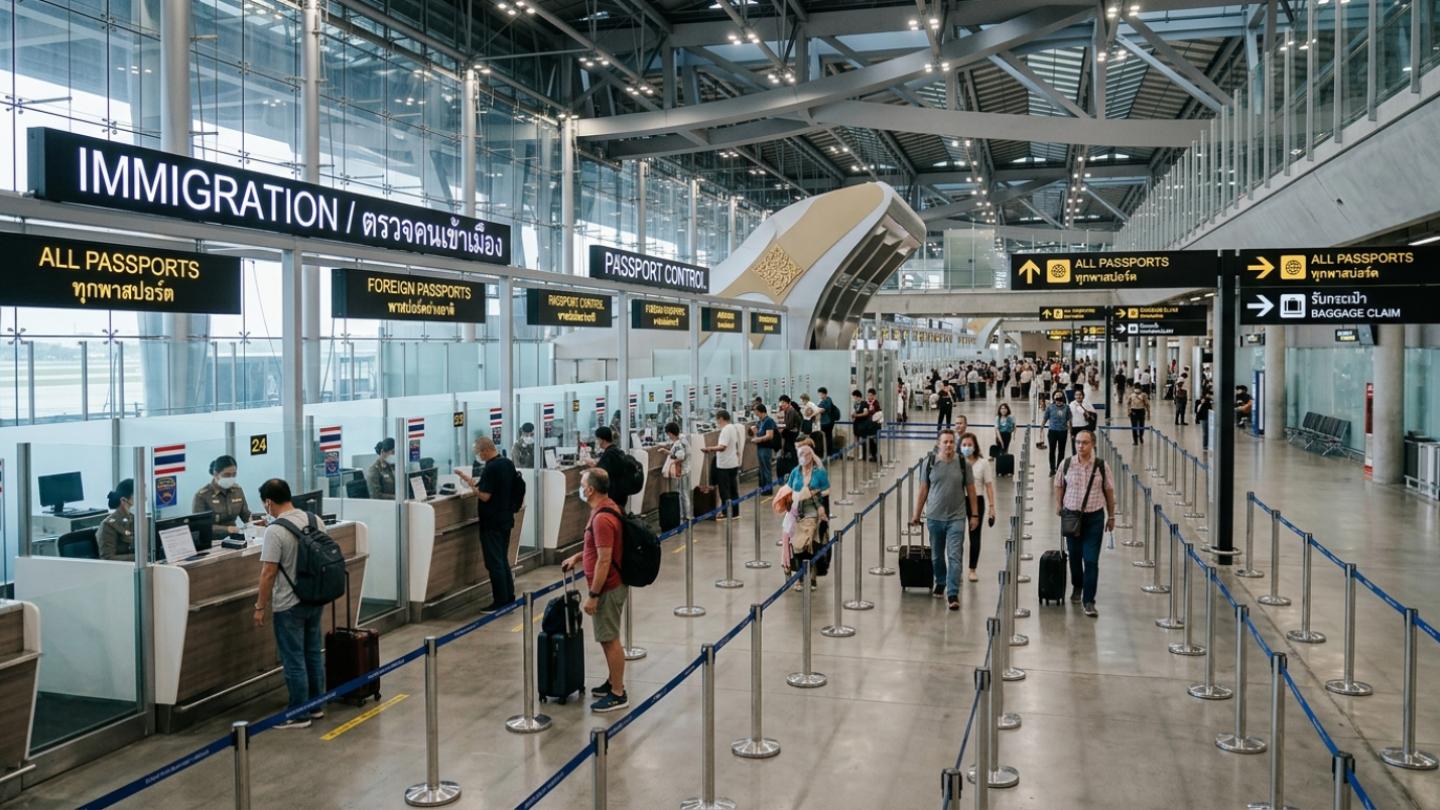
Analysis of statutory criteria applied by Thailand's Immigration Bureau: understanding grounds for non-admission under Section 12, patterns of excessive stay, and secondary inspection procedures.
Thailand's border checkpoints process tens of millions of foreign arrivals every year. While the overwhelming majority experience quick and seamless processing, statutory entry refusals are actively enforced under Section 12 of the Thailand Immigration Act B.E. 2522 (1979).
Understanding how immigration officers assess entry eligibility helps travelers ensure their documentation meets all statutory thresholds.
Statutory Grounds for Non-Admission (Section 12)
Thai immigration authorities possess statutory powers to deny entry under specific legal grounds:
- Section 12(1): Lack of a valid passport or presentation of a damaged/altered travel document.
- Section 12(2): Insufficient funds for the duration of stay (lack of required physical cash).
- Section 12(3): Reasonable grounds to suspect unauthorized employment or lack of proper work authorization.
- Section 12(6): Failure to produce confirmed onward travel documentation out of Thailand.
- Section 12(8): Prior inclusion on official immigration watchlists or deportation blacklists.
Primary Triggers for Heightened Scrutiny
- Repetitive "Visa Runs" and Continuous Tourist Stays: Consecutive back-to-back entries under visa exemptions or tourist visas signal de facto residence rather than bona fide tourism.
- Unauthorized Remote Work or Local Employment: Operating locally without proper business, digital nomad (DTV), or work visas.
- Cash Requirements: Inability to physically display 10,000–20,000 THB (individual) or 20,000–40,000 THB (family) when challenged under Section 12(2).
- Physical Passport Condition: Damaged binding, water stains, missing pages, or unofficial souvenir stamps.