
Travel
Northern Thailand's secret side: mountain villages, tea plantations, and mist over Chiang Mai
Last reviewed: 2026-07-18
Written by Ricardo Dos Santos
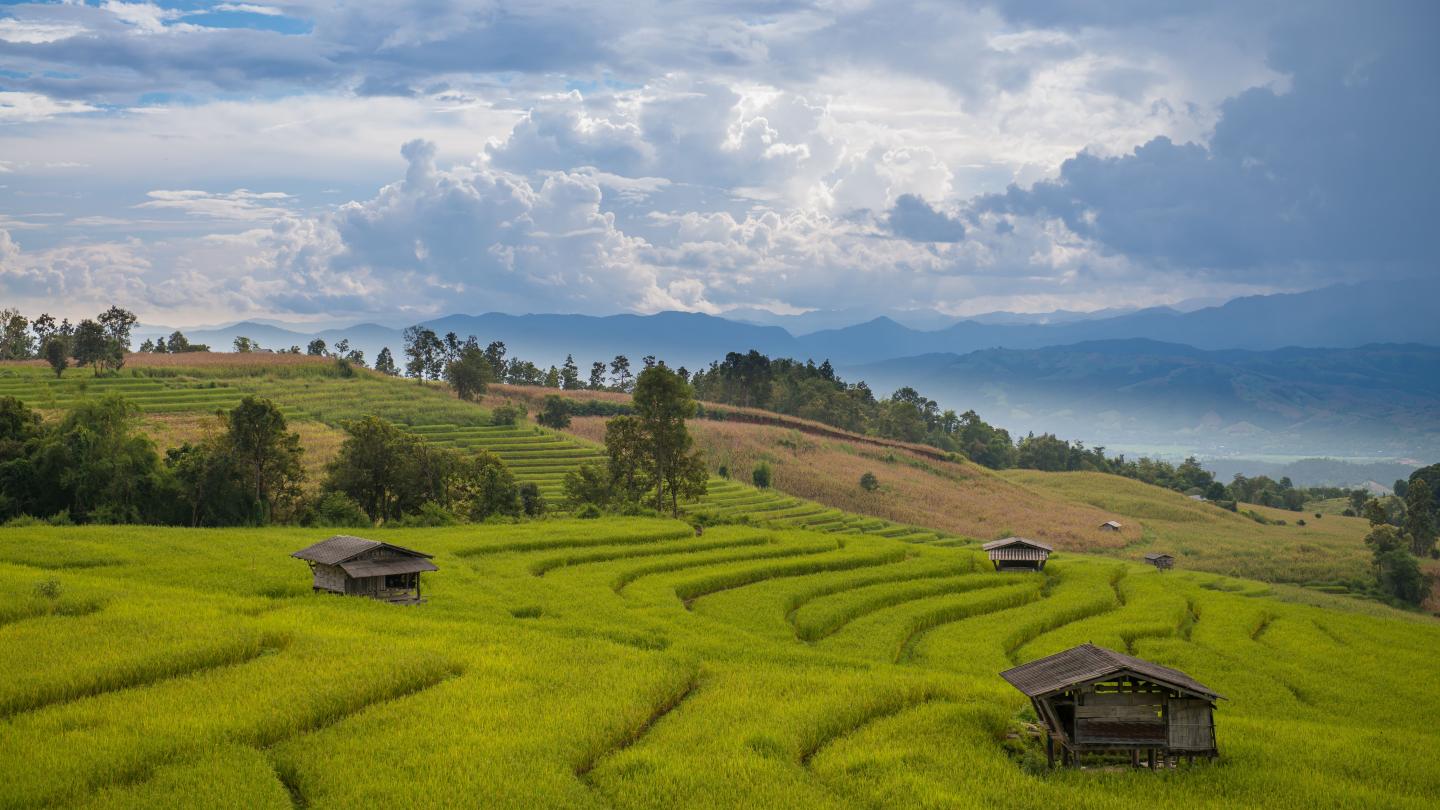
Mae Kampong, Doi Mae Salong, Pai's back roads: Northern Thailand rewards slow travel, between hill communities, Yunnanese tea, and a burning season worth planning around.
A geography read in altitude
Northern Thailand doesn't read like the rest of the country: here, altitude organises everything — climate, crops, peoples. Past the outskirts of Chiang Mai, the road climbs toward Karen, Akha, Lahu, and Lisu hamlets that have sat on ridgelines at 1,000, 1,200, sometimes 1,800 metres for generations, where rice gives way to tea, coffee, and, higher still, vegetable crops introduced by the royal opium-substitution programmes of the 1970s. Understanding that agricultural history changes how you visit the region entirely: these aren't folkloric backdrops, but real, still-evolving mountain economies.
Mae Kampong: the village that chose ecotourism over exodus
Less than an hour's drive from Chiang Mai, but separated by enough switchbacks to discourage rushed day trips, Mae Kampong is a tea-growing village tucked in a damp valley, its wooden stilt houses lining a stream fed by a small community-run hydroelectric plant. Facing the rural exodus that was emptying the valley in the 1990s, residents built a homestay network instead of hotels — a choice that keeps the population in place and channels tourism income directly to families. You sleep in a wooden house, eat what the family has cooked, and walk to Mae Kampong's small waterfall in the late afternoon, just as mist starts settling between the tea bushes.
Doi Mae Salong: the Thailand that still speaks Chinese
Perched above 1,200 metres near the Myanmar border, Doi Mae Salong was founded by Kuomintang remnants after their 1949 retreat from China, and its identity remains deeply Yunnanese: curved-roof temples, a morning market selling medicinal herbs, and above all, entire hillsides covered in oolong tea plantations, introduced precisely by these refugees to replace poppy cultivation. Walking between the tea rows at sunrise, while mist still clings to the ridgelines, remains one of the least documented experiences in Northern Thailand — most travellers stop at Chiang Mai and Chiang Rai without ever detouring to this plateau.
Pai on the back roads, not just Route 1095
The main road to Pai, the infamous Route 1095 with its 762 curves, concentrates most of the tourist traffic and, with it, much of the questionable party-town folklore that has come to define the town for many. The secondary roads skirting the valley to the east, toward Ban Santichon (a Yunnanese village) or the Mo Paeng waterfalls, cross terraced rice fields and near-empty Lisu hamlets, offering a calmer version of the same region — a straightforward alternative for anyone who has already seen central Pai and wants something else.
Burning season: the factor few itineraries plan around
From late February to April, much of Northern Thailand — along with neighbouring Myanmar and Laos — goes through an agricultural burning season that sharply degrades air quality, at times ranking among the worst on the planet for that stretch. This factor, rarely flagged in standard itineraries, is worth checking before booking a trek or a Doi Inthanon climb in that window: the best stretch for hiking and clear air remains November to January, when mountain nights turn cool and skies are usually clean.
Travelling these mountains without flattening them into scenery
Visiting an ethnic minority village isn't visiting a living museum: it means asking before photographing residents, favouring guides and accommodation actually run by the community rather than day tours from Chiang Mai that funnel back only a fraction of the income, and accepting that an agricultural village runs on its own rhythm, not the visitor's. That unhurried pace — picking tea, drying leaves, cooking a shared meal — is exactly what makes a detour into Northern Thailand worth it.