Skip to content
SawaLife BETA

Thailand knowledge

Articles about Thailand

Clear, reviewed information to help you plan your Thailand journey with confidence.

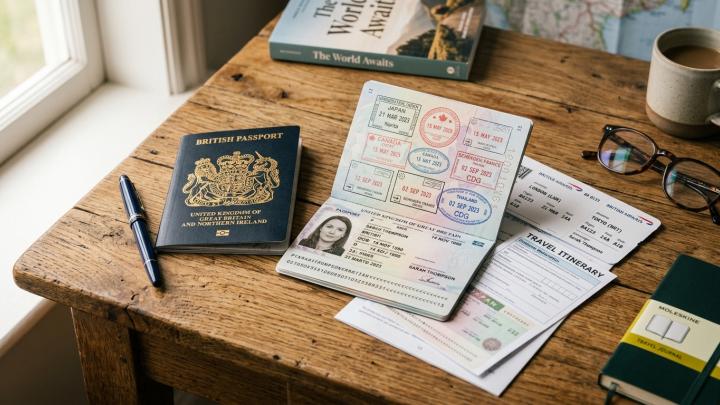
International passport with official entry stamps and travel documentation for Thailand
Visa & Immigration

Thailand Visa Exemption and Tourist Stays: Regulations, Durations, and Extensions

Comprehensive guide to Thailand's visa exemption scheme: mandatory entry requirements, proof of funds, extension procedures at Immigration offices, and overstay regulations.

2 min ↗
Visa & Immigration

Thailand Visa Exemption and Tourist Stays: Regulations, Durations, and Extensions

· Last reviewed: 18 September 2026 · Written by Ricardo Dos Santos
International passport with official entry stamps and travel documentation for Thailand
Sawalife Editorial / Travel Documentation Photography

Comprehensive guide to Thailand's visa exemption scheme: mandatory entry requirements, proof of funds, extension procedures at Immigration offices, and overstay regulations.

Thailand's visa exemption scheme is the primary entry route for tourists holding passports from over 90 designated countries. While it affords significant travel flexibility, entry under this scheme is governed by strict legal parameters established under the Thailand Immigration Act B.E. 2522 (1979) and ministerial directives.

Understanding the mandatory requirements, financial checks, and extension protocols ensures seamless entry and full regulatory compliance.


Mandatory Criteria for Entry Under Visa Exemption

Immigration admission at Thai border checkpoints is discretionary and conditional upon fulfilling the following statutory criteria:

  1. Passport Validity and Condition: Must possess at least 6 months of validity from the date of arrival and minimum two blank visa pages. Passports with water damage, tears, or missing pages will be refused.
  2. Confirmed Proof of Onward Travel: Travelers must present a confirmed commercial transport ticket (flight, train, or ferry) departing Thailand within the permitted visa exemption period. Unconfirmed reservations or open-ended tickets are routinely rejected.
  3. Sufficient Financial Resources: Under Section 12(9) of the Immigration Act, immigration officers may verify financial solvency:
    • Individual: Minimum 10,000 to 20,000 THB (or convertible foreign currency cash equivalent).
    • Family unit: Minimum 20,000 to 40,000 THB.
  4. Verifiable Accommodation: Address of hotel or private residence documented for the initial stay duration.

Length of Stay and 30-Day In-Country Extension (TM.7)

Tourists admitted under the visa exemption scheme may apply for a one-time 30-day extension at any Royal Thai Immigration Bureau provincial office (e.g., Bangkok Chaengwattana/IT Square Laksi, Phuket, Chiang Mai, Pattaya, Samui).

Required Extension Documents

  • Original passport with copies of the photo page, entry stamp, and current permission of stay.
  • Completed Extension Application Form (TM.7).
  • One recent passport photo (4 x 6 cm, light background).
  • Proof of accommodation with active TM.30 residential notification receipt.
  • Official statutory fee: 1,900 THB in cash.
Initial Exemption Stamp ➔ Application at Immigration Office (Form TM.7 + 1,900 THB) ➔ +30 Days Granted

Overstay Penalties and Legal Ramifications

Exceeding the authorized period of stay is an immigration offense resulting in immediate statutory penalties:

  • Financial Fine: 500 THB per day, up to a maximum statutory cap of 20,000 THB.
  • Re-entry Bans (Blacklisting):
    • Overstay exceeding 90 days (voluntary surrender): 1-year re-entry ban.
    • Overstay exceeding 1 year (voluntary surrender): 3-year re-entry ban.
    • Apprehension by authorities during an overstay: Immediate detention, deportation, and a 5 to 10-year re-entry ban.
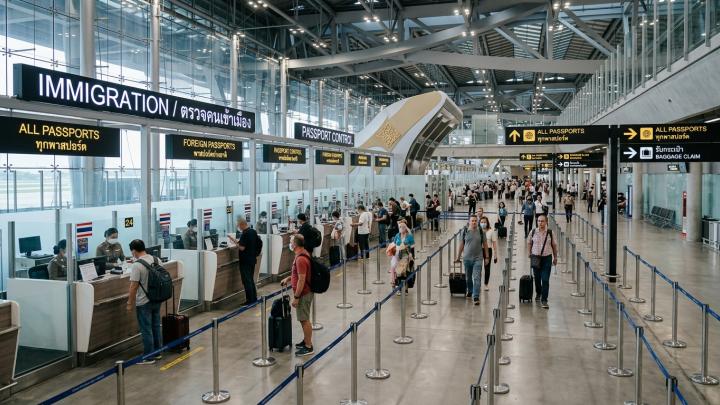
Passport control and immigration inspection checkpoint at a Thai international airport
Visa & Immigration

Border Controls and Entry Refusals in Thailand: Legal Grounds and Prevention

Analysis of statutory criteria applied by Thailand's Immigration Bureau: understanding grounds for non-admission under Section 12, patterns of excessive stay, and secondary inspection procedures.

2 min ↗
Visa & Immigration

Border Controls and Entry Refusals in Thailand: Legal Grounds and Prevention

· Last reviewed: 18 September 2026 · Written by Ricardo Dos Santos
Passport control and immigration inspection checkpoint at a Thai international airport
Sawalife Editorial / International Border Control Documentation

Analysis of statutory criteria applied by Thailand's Immigration Bureau: understanding grounds for non-admission under Section 12, patterns of excessive stay, and secondary inspection procedures.

Thailand's border checkpoints process tens of millions of foreign arrivals every year. While the overwhelming majority experience quick and seamless processing, statutory entry refusals are actively enforced under Section 12 of the Thailand Immigration Act B.E. 2522 (1979).

Understanding how immigration officers assess entry eligibility helps travelers ensure their documentation meets all statutory thresholds.


Statutory Grounds for Non-Admission (Section 12)

Thai immigration authorities possess statutory powers to deny entry under specific legal grounds:

  • Section 12(1): Lack of a valid passport or presentation of a damaged/altered travel document.
  • Section 12(2): Insufficient funds for the duration of stay (lack of required physical cash).
  • Section 12(3): Reasonable grounds to suspect unauthorized employment or lack of proper work authorization.
  • Section 12(6): Failure to produce confirmed onward travel documentation out of Thailand.
  • Section 12(8): Prior inclusion on official immigration watchlists or deportation blacklists.

Primary Triggers for Heightened Scrutiny

  1. Repetitive "Visa Runs" and Continuous Tourist Stays: Consecutive back-to-back entries under visa exemptions or tourist visas signal de facto residence rather than bona fide tourism.
  2. Unauthorized Remote Work or Local Employment: Operating locally without proper business, digital nomad (DTV), or work visas.
  3. Cash Requirements: Inability to physically display 10,000–20,000 THB (individual) or 20,000–40,000 THB (family) when challenged under Section 12(2).
  4. Physical Passport Condition: Damaged binding, water stains, missing pages, or unofficial souvenir stamps.