
Housing
Living in a Tourist District vs Local Neighborhood in Thailand in 2026
Last reviewed: 2026-09-23
Written by Ricardo Dos Santos
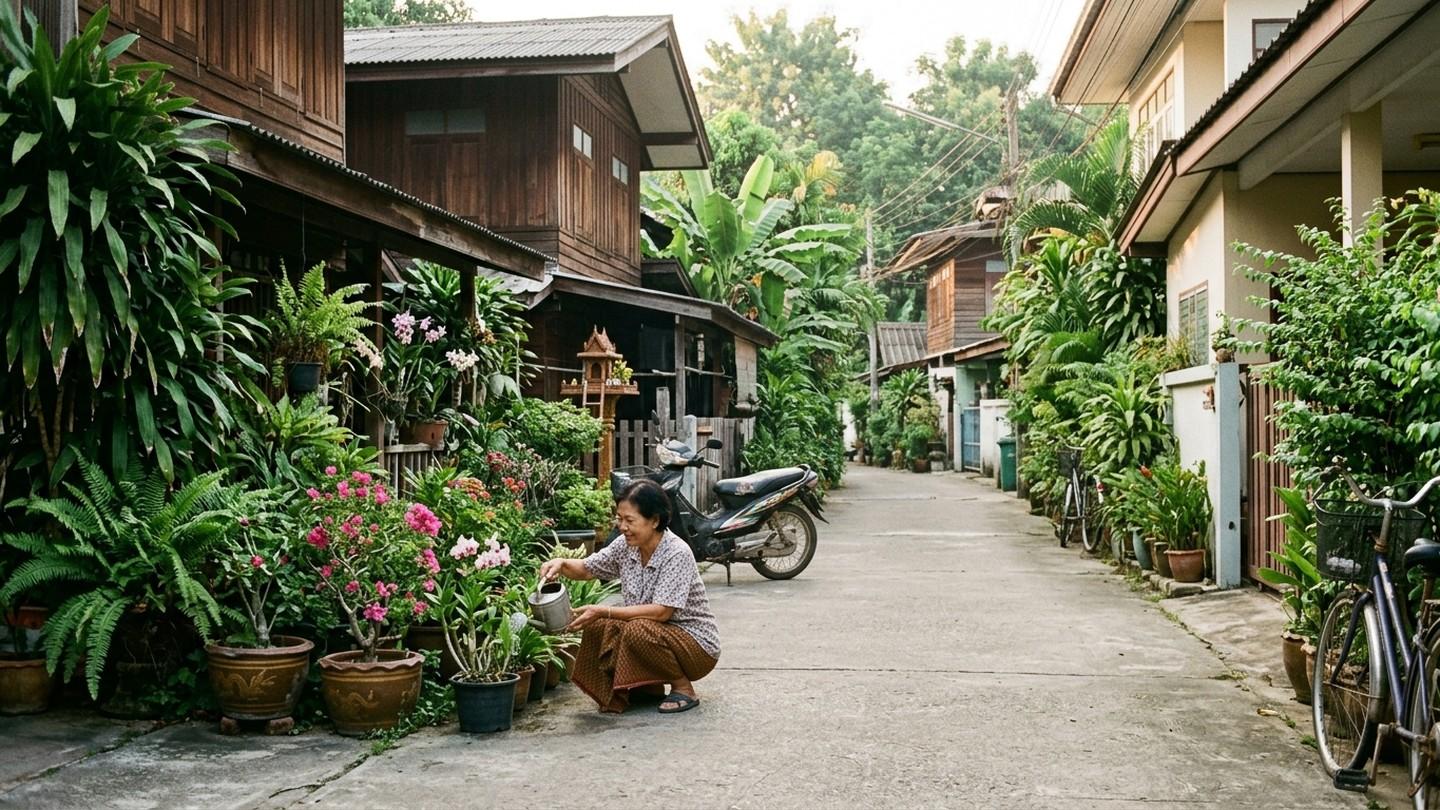
Lifestyle trade-offs: rental economics, English language convenience, nightlife noise, food affordability, and genuine cultural immersion.
One of the earliest decisions for newcomers is choosing between the international convenience of expat hubs (Sukhumvit, Sathorn, Nimman) and the affordable authenticity of local residential neighborhoods (Ari, On Nut, Santitham, Rawai).
1. Comparison Matrix: Expat Hub vs. Local Neighborhood
| Feature | Expat / Tourist Hub | Local Thai Neighborhood |
|---|---|---|
| Average Rent (1-Bed Condo) | 22,000 – 45,000 THB | 10,000 – 18,000 THB |
| English Language Usage | Ubiquitous in cafes and clinics | Basic conversational Thai required |
| Grocery Shopping | Western supermarkets (Gourmet Market) | Fresh morning/evening street markets (Talat) |
| Nighttime Ambience | Entertainment noise, late-night traffic | Quiet after 10 PM, active from 6 AM |
| Community Feel | High tenant turnover, corporate feel | Warm local relationships, friendly shopkeepers |
2. The Ideal Compromise: "Outer Ring" Neighborhoods
Experienced residents frequently target transitional zones 2 to 3 transit stops outside the core:
- Bangkok: On Nut, Phra Khanong, Ari, Saphan Khwai.
- Chiang Mai: Santitham, Chang Khlan.
- Phuket: Kathu valley.
3. Frequently Asked Questions (FAQ)
Are food delivery apps reliable in local neighborhoods?
Yes. Apps like Grab, Lineman, and Foodpanda operate seamlessly across all residential areas.