
Banking
The Cashless Revolution: Why Thailand Runs on QR Codes in 2026
Last reviewed: 2026-09-23
Written by Ricardo Dos Santos
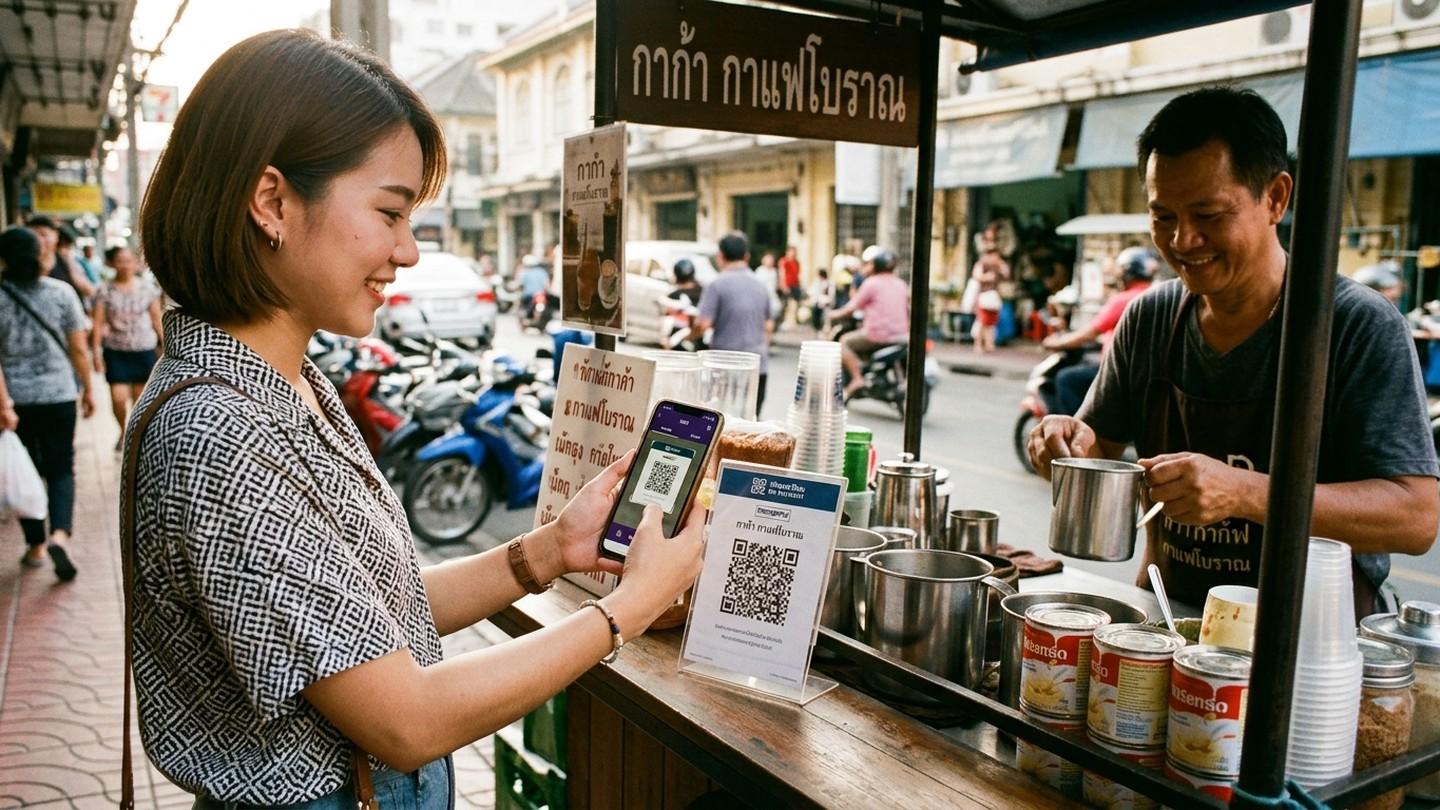
Inside the national PromptPay switch: why street vendors refuse large cash notes and cards, and practical cashless payment workarounds for foreign residents.
From roadside fruit vendors to dental clinics and luxury department stores, one ubiquitous item sits on every counter in Thailand: the PromptPay QR Code. Thailand has evolved into one of the most sophisticated instant digital payment ecosystems in the world.
1. How PromptPay Operates
Engineered by the Bank of Thailand (BOT), PromptPay is a zero-fee, real-time interbank settlement network:
- Zero Merchant Fees: Vendors avoid 2.5% to 3.5% credit card interchange processing costs.
- Instant Settlement: Funds transfer directly into the merchant's account within seconds.
- Digital Slips: Mobile banking apps automatically issue verifiable electronic receipt slips (e-slips).
2. Navigating the QR Economy as a Foreign Resident
Newcomers relying solely on foreign debit cards frequently face friction:
- Street merchants often cannot break 1,000 THB cash banknotes.
- Credit card terminals are absent in local fresh markets and food stalls.
- Practical Solutions:
- Open a local Thai bank account (Bangkok Bank, Kasikornbank) to gain full mobile banking app access.
- Utilize TrueMoney Wallet foreign passport onboarding.
3. Frequently Asked Questions (FAQ)
Can foreign banking apps scan PromptPay QR codes directly?
Cross-border QR linkages currently operate with select regional partners (Singapore, Malaysia, Indonesia, Cambodia, Vietnam, Japan). Western banking apps require a local Thai checking/savings account.