
Medical Experts Advise Reducing Sodium in Flood Relief Meals
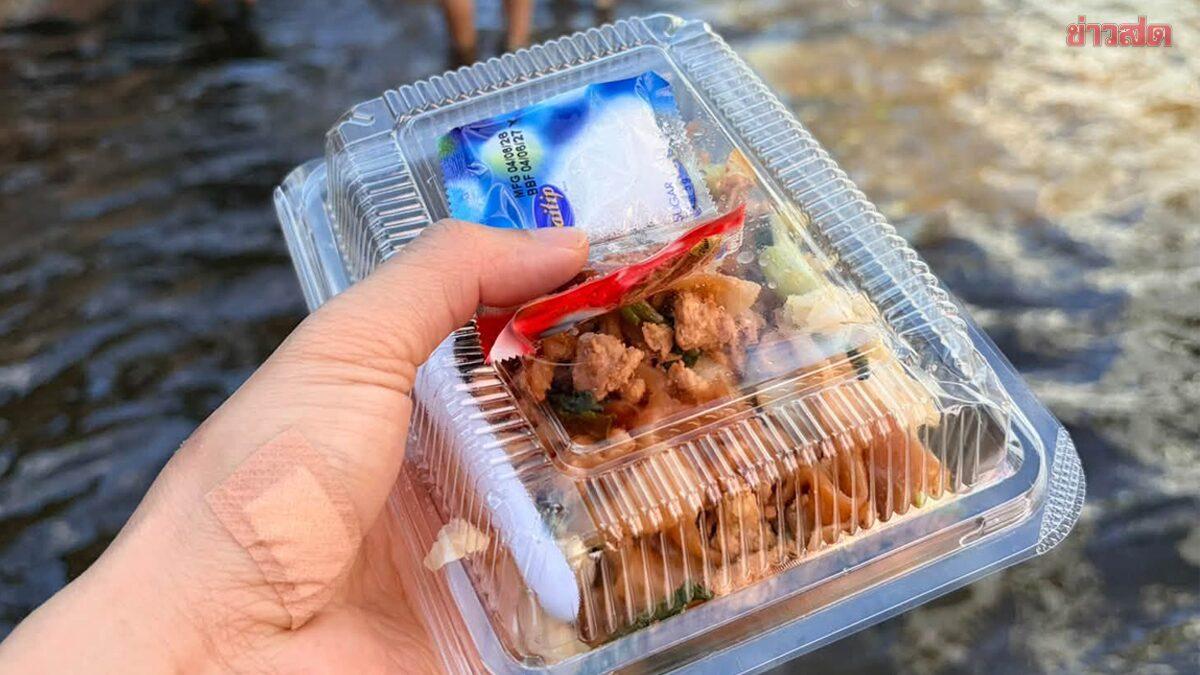
Doctors in Chiang Mai are urging donors to prioritize low-sodium options when preparing food boxes for flood victims to protect long-term kidney and cardiovascular health.
As Thailand continues to manage flood relief efforts, medical professionals are highlighting the importance of nutritional quality in donated food. According to Khaosod Online, Assoc. Prof. Dr. Kajornsak Noppakun, Deputy Director of Maharaj Nakorn Chiang Mai Hospital, has issued a warning regarding the high sodium content often found in mass-produced relief meals.
While salty or processed foods are sometimes chosen for their longer shelf life, Dr. Kajornsak emphasizes that excessive sodium intake can complicate blood pressure management and place significant strain on the kidneys. This is particularly concerning for vulnerable groups, including the elderly and those with pre-existing conditions such as diabetes, hypertension, or chronic kidney disease.
To improve the health impact of donations, experts suggest that volunteers reduce the use of fish sauce, soy sauce, and salt during preparation. They recommend prioritizing fresh ingredients over processed items like sausages, meatballs, or fermented foods. The goal is to ensure that relief efforts provide not only sustenance but also long-term health support for those affected by the disaster.
While these recommendations focus on the nutritional composition of relief aid, it remains to be seen how these guidelines will be integrated into large-scale community donation drives. Residents and visitors involved in volunteer efforts are encouraged to consider these dietary impacts when preparing food for those in need.
