
Thailand Faces Challenges in Becoming ASEAN's BEV Production Hub
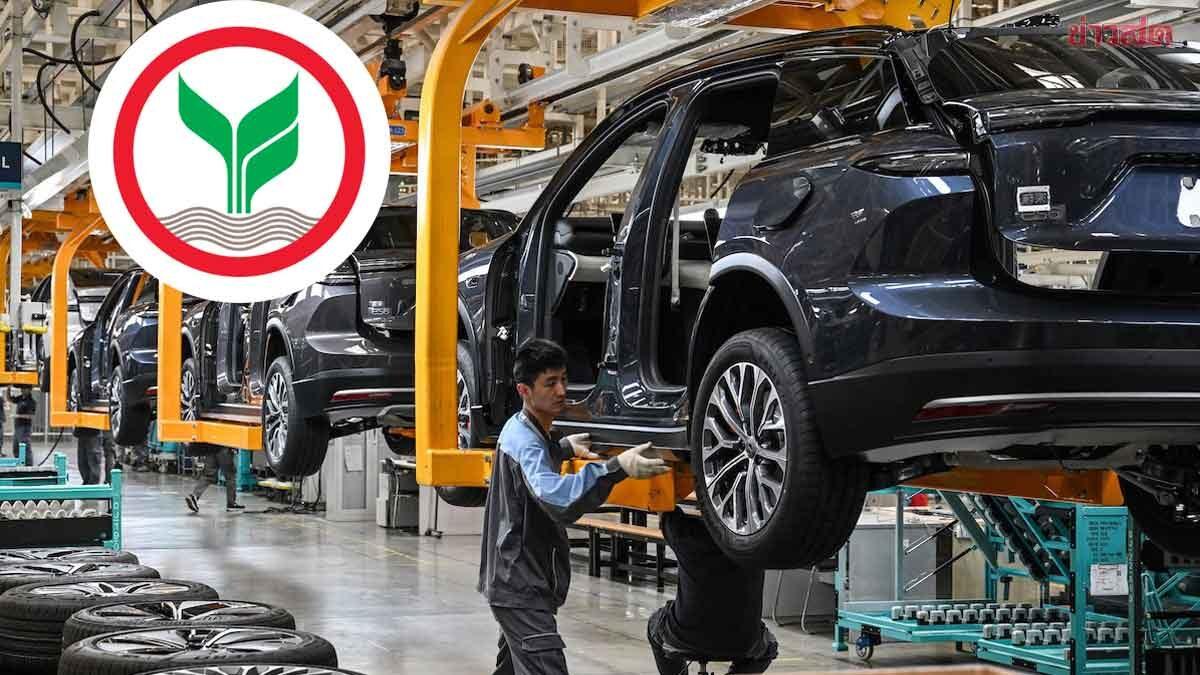
KResearch projects Thailand's 2026 BEV production will reach 115,000 units, yet export limitations and regional competition hinder its goal of becoming a primary ASEAN manufacturing hub.
According to a report by Khaosod Online citing Kasikorn Research Center (KResearch), Thailand is projected to produce 115,000 Battery Electric Vehicles (BEVs) in 2026, marking a 62% increase from the previous year. Despite this growth, the figure represents only 29% of the total production capacity pledged by automotive investors.
Several factors contribute to this gap between investment plans and actual output. Currently, the domestic market continues to rely heavily on imported BEVs. Furthermore, export performance remains modest, with only 20,000 units—or 17% of total production—expected to be shipped abroad. Analysts suggest that as neighboring countries accelerate their own domestic production capabilities and implement market protection measures, Thailand’s potential to serve as the primary export hub for the ASEAN region faces significant limitations.
For residents and travelers, this data highlights the evolving landscape of the Thai automotive sector. While the transition toward electric mobility is accelerating, the industry is navigating complex regional competition. It remains to be confirmed how future trade policies and shifts in regional manufacturing strategies will impact the long-term availability and pricing of electric vehicles within the Thai market. Investors and stakeholders are closely monitoring whether actual production will eventually align with the ambitious investment targets announced by major automotive manufacturers.
