Economy
Thailand Approves New 2026-2029 Fuel Fund Strategy to Manage Price Volatility
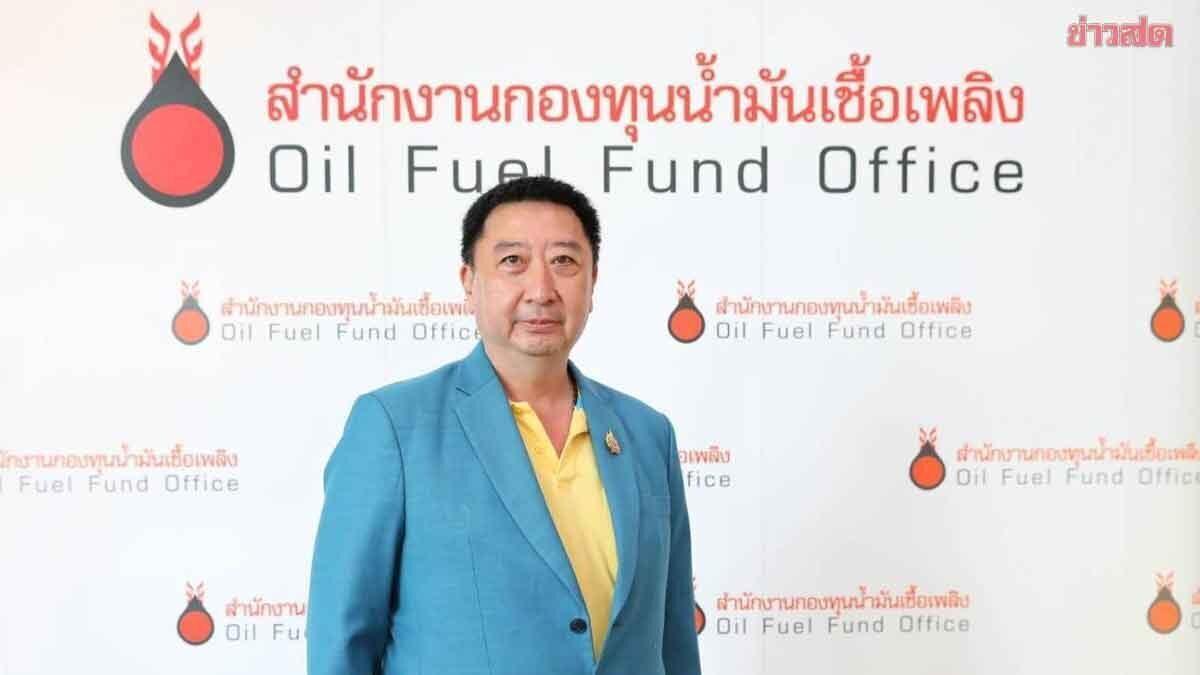
The Thai Cabinet has approved a new strategic plan for the Oil Fuel Fund to stabilize domestic energy prices and improve liquidity through stricter management protocols.
The Thai Cabinet has officially approved the 'Oil Fuel Fund Crisis Management Plan' and the 'Oil Fuel Fund Strategic Plan' for the period of 2026–2029. According to Pornchai Jirakulpaisarn, Director of the Policy and Planning Office at the Oil Fuel Fund Office (OFFO), these measures are designed to provide a clearer framework for managing energy price stability amid liquidity pressures.
Key changes include a stricter separation of accounts between oil and LPG, prohibiting cross-subsidization between these categories. The fund will now intervene in three specific scenarios: when prices impact the public, during periods of extreme volatility, or when supply shortages threaten the economy. For instance, the fund will intervene for diesel and gasoline when prices exceed 30 baht per liter. For LPG, intervention thresholds have been adjusted, with the retail price trigger raised to 423 baht per 15-kilogram cylinder, up from the previous 363 baht. Additionally, the threshold for responding to market volatility has been tightened from 5 to 10 dollars per barrel.
For residents and travelers, these adjustments aim to prevent sudden, extreme spikes in fuel costs, though they also signal a shift toward more targeted government support. While the framework is set, the specific operational implementation of these thresholds in daily retail markets remains to be observed as global energy conditions evolve.