
Travel
Hua Hin: preparing for Pa La-u Waterfall and its forest setting
Last reviewed: 2026-07-16
Written by Ricardo Dos Santos
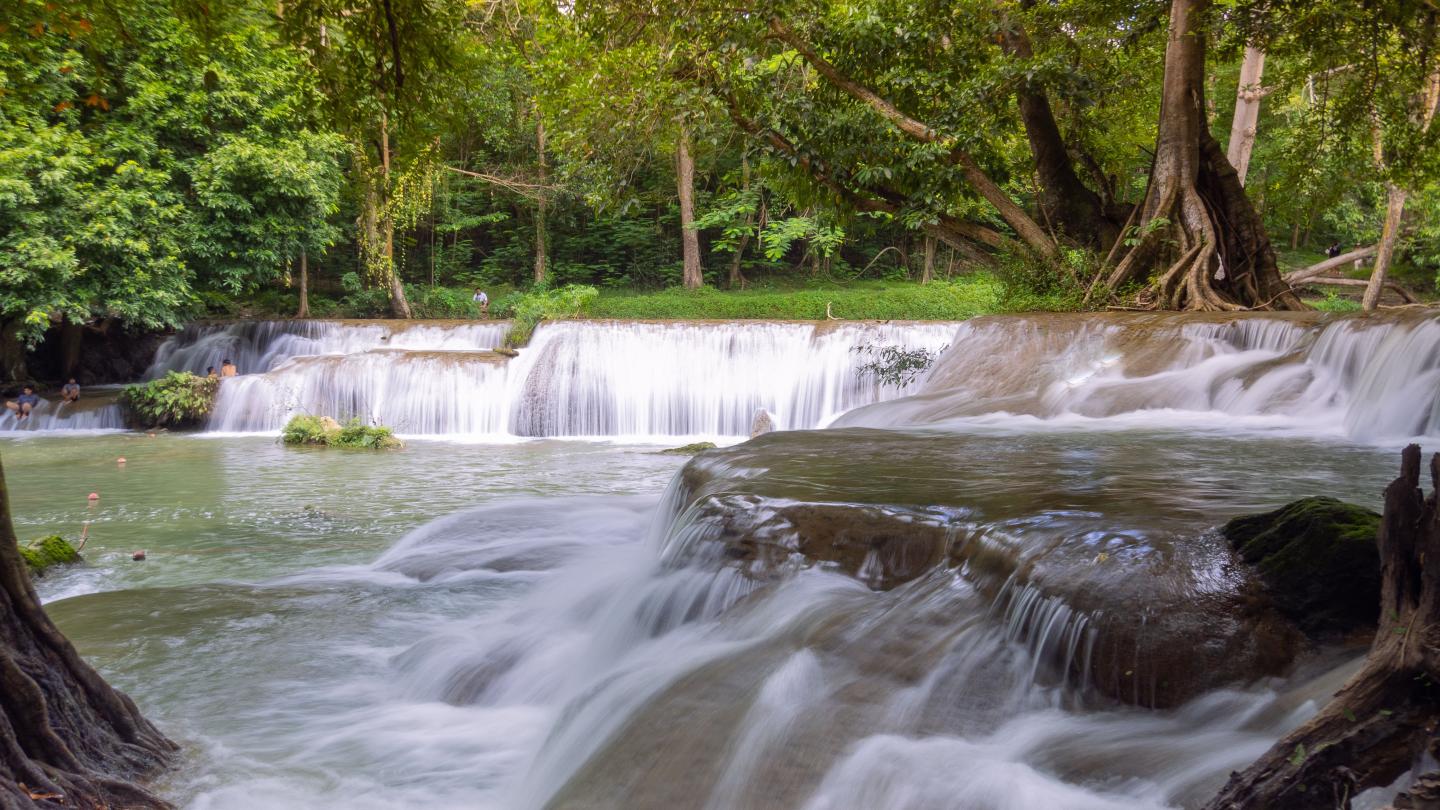
Sixty kilometres west of Hua Hin, Pa La-u Waterfall cascades through Kaeng Krachan National Park's forests — here's what to know about tiers, seasons, fees, and wildlife before you go.
Sixty kilometres from the beach, a different Thailand
Pa La-u Waterfall sits inside Kaeng Krachan National Park, Thailand's largest protected area at nearly 2,900 km², roughly 60 km west of Hua Hin — about an hour and a half by car, though the last stretch winds through hills close enough to the Myanmar border that phone signal drops out. The falls are split into two named sections, Pa La-u Yai and Pa La-u Noi, cascading down what's commonly described as 16 tiers, though counts as low as 11 appear in older sources — treat the number as approximate. What matters practically: only the first four or five tiers on the Thai side are realistically reachable on foot; the rest fade into remote, largely unvisited terrain toward the border.
Forest, not just water
The park shifts from dry evergreen and deciduous dipterocarp forest at lower elevations to moist evergreen and montane forest higher up, and it's one of the richest wildlife sites in mainland Southeast Asia: seven of Thailand's fourteen hornbill species and all seven of its broadbill species have been recorded here, alongside elephants, gibbons, and even sun bears deeper in the park. Pa La-u itself is also a serious butterfly destination — around 300 species recorded park-wide, with the damp mineral patches near stream crossings sometimes drawing dozens of species at once in the early morning.
What most guides don't say
The bulk of Pa La-u's tiers are, in practice, off-limits to casual visitors — a fact tourist blogs tend to gloss over in favour of "16 stunning waterfalls." What they mention even less is who lives here: Kaeng Krachan is home to Karen (and some Hmong) communities whose presence predates the park's 1981 establishment, and the park's 2021 UNESCO World Heritage listing was genuinely controversial internationally because of documented tension between park authorities and these communities. It's worth knowing before framing the forest as untouched wilderness.
When to go, and what it costs
Foreign adults pay 300 baht to enter (children 200 baht), plus roughly 30 baht per vehicle; Thai nationals pay far less. The park generally operates 8:00 am to 5:00 pm, though hours can shift seasonally — confirm locally. Rainy season, June to October and peaking around September, brings the falls to their fullest and most dramatic, though trails turn slippery and leeches appear; the cool dry season, December to February, is far more comfortable to hike but the water thins noticeably, and by March–April some upper tiers can run close to dry.
Practicalities
There's no real public transport to the falls — most visitors arrive by rental car, motorbike, or organised tour from Hua Hin. Budget a half day: allow at least two hours for hiking between the accessible tiers, more if you plan to swim in the pools at the base (safe enough in dry season, best avoided in strong rainy-season currents). Bring water, sturdy shoes, a swimsuit, insect repellent, and cash for the entrance gate — and if you have time, the Karen villages nearer the park boundary are worth a respectful stop on the way back.