
Travel
Hua Hin: Khao Takiab, temple hill and coastline
Last reviewed: 2026-07-16
Written by Ricardo Dos Santos
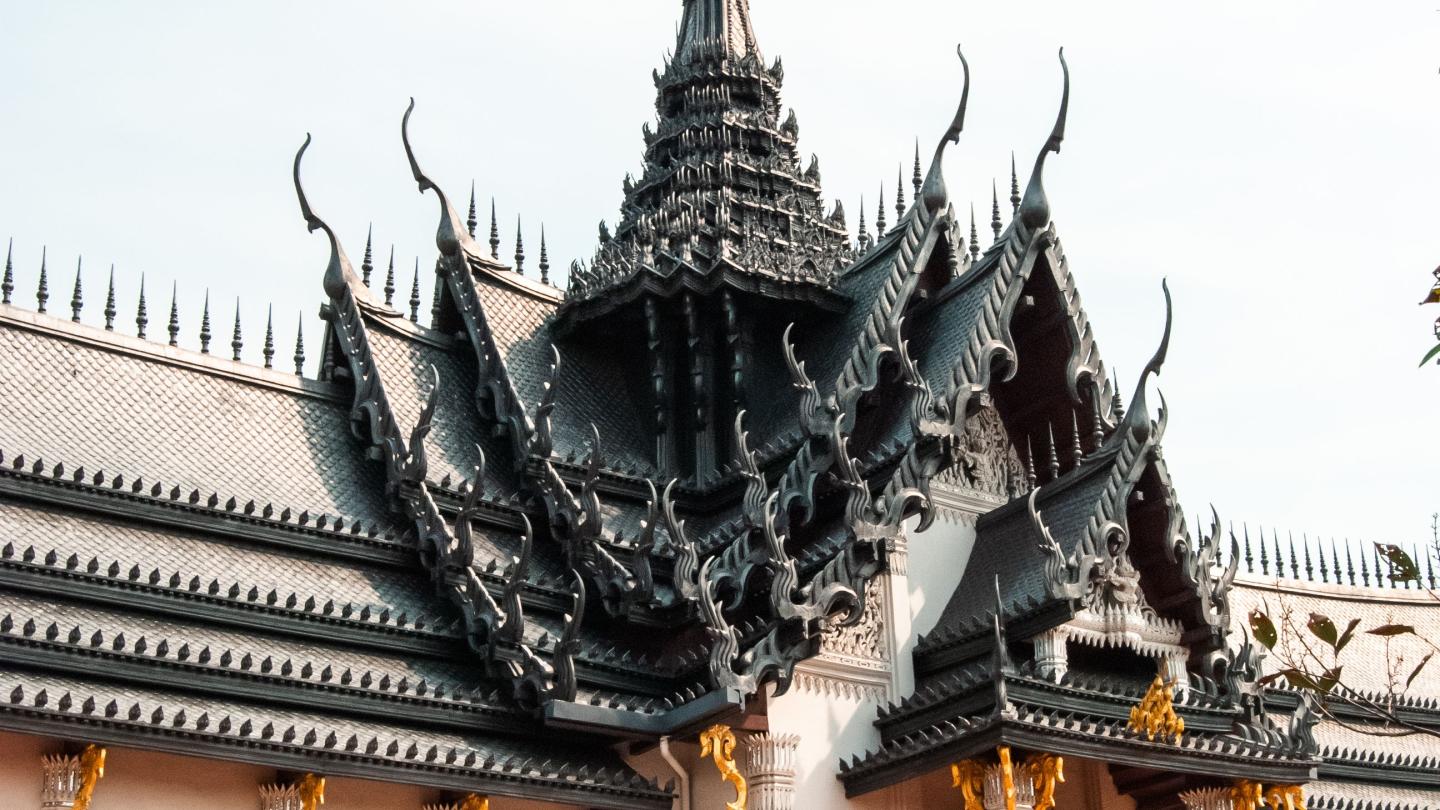
A rocky headland south of Hua Hin beach, Khao Takiab pairs a 20-metre golden Buddha and a working fishing pier with hundreds of bold long-tailed macaques — hence its nickname, Monkey Mountain.
Chopsticks Hill
Khao Takiab — "Chopsticks Hill" — is the rocky headland that closes off the southern end of Hua Hin beach, about 7 km from the town centre, where it separates Hua Hin from the quieter sands of Khao Tao. The hill rises somewhere around 270 metres depending on which survey you trust (sources genuinely disagree, anywhere from 77 to 272 metres depending on what's being measured), and its outline is visible from most of Hua Hin's beachfront hotels, especially at sunset when it turns violet against the Gulf of Thailand.
The temple and the golden Buddha
At the summit sits Wat Khao Takiab, a Thai-Chinese temple whose grounds cover roughly 152 rai (about 24 hectares). It was formally established on 29 November 1985, though local tradition holds the site was sacred long before that, and it reportedly received a visit from Queen Rambhai Barni. The temple's defining feature is a standing golden Buddha, some 20 metres tall, facing out to sea — visible far enough offshore that fishermen have used it for generations as a navigational landmark, a point of reference to steer home by. Local fishing folklore goes further: the statue is said to hold back storms, both the literal kind that threaten boats and the metaphorical "storms of the heart."
Monkey Mountain
Wat Khao Takiab shares its hillside with a large population of long-tailed macaques — enough of them, fed regularly by temple visitors, that the hill is better known locally as "Monkey Mountain." They are markedly bolder than macaque troops elsewhere on the coast: expect them to go for water bottles, plastic bags, and anything that looks edible. Keep food out of sight, don't offer it by hand, and hold bags close — a grabbed phone or sunglasses is the most common complaint from visitors, not a bite.
A working shoreline
At the base of the hill, Khao Takiab village keeps a working fishing pier that predates Hua Hin's transformation into a royal resort — the area's association with the Thai crown actually goes back further than the beach hotels, to King Mongkut's 1868 eclipse expedition to nearby Wa Ko. Long-tail boats still land here, and the smell of diesel and drying fish is a useful reminder that this stretch of coast has an economy beyond tourism.
Visiting
Khao Takiab is reachable by songthaew from Phet Kasem Road (around 20 baht), by tuk-tuk or motorbike taxi (agree the fare first), or by scooter — allow around 15 minutes from central Hua Hin. Entry to the temple is free, though donations are welcomed; the site is open roughly 8:00 am to 5:00 pm. Cover shoulders and knees and remove your shoes before entering temple buildings. Budget one to two hours for the climb, the viewpoint, and the monkeys, and go early morning if you want calmer macaques and thinner crowds — or come back at dusk for one of the best sunset views on this stretch of coast.