
Thai Marine Officials Use Dugong Feces to Monitor Endangered Population Health
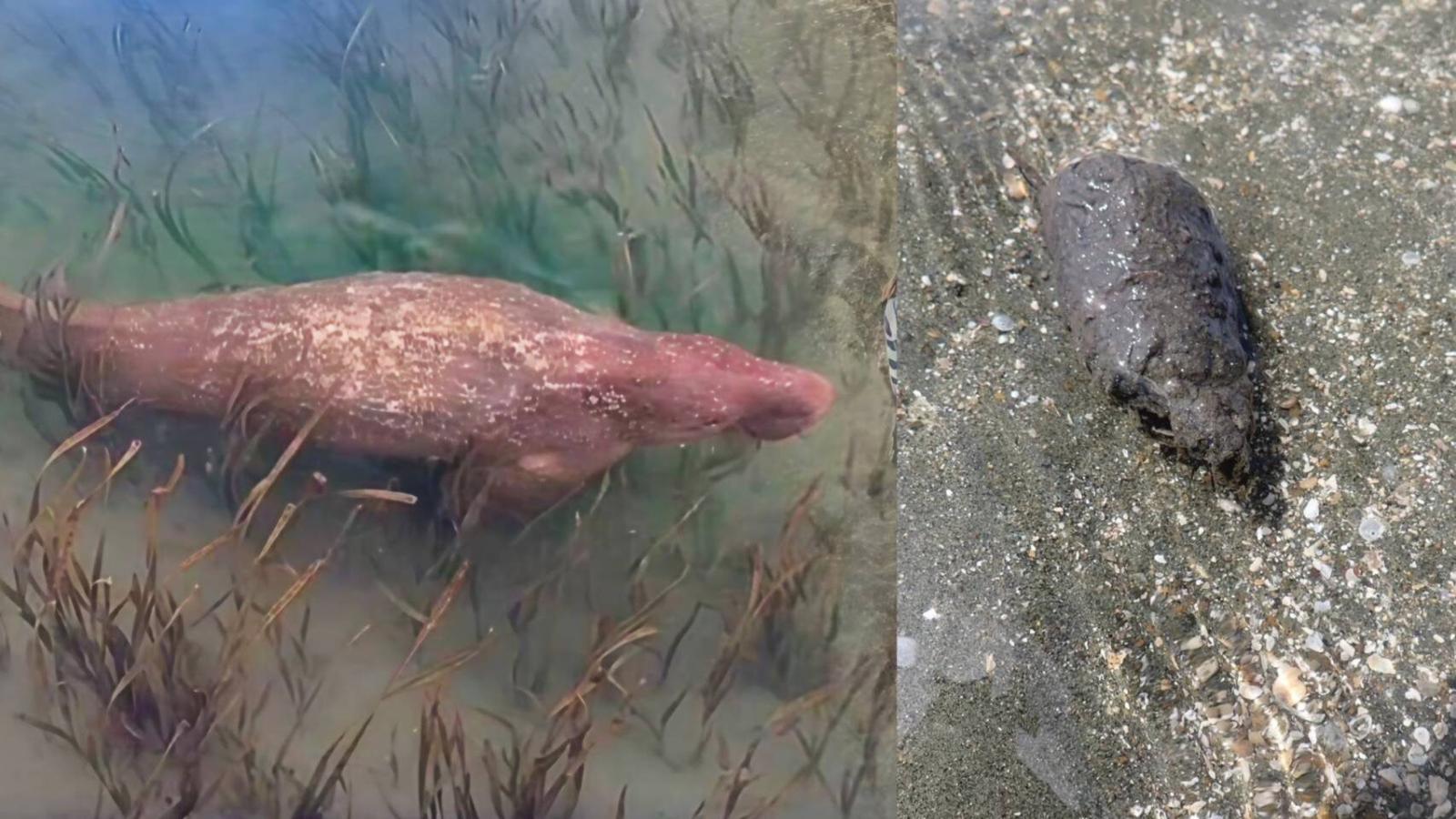
The Department of Marine and Coastal Resources is collecting dugong feces in the Andaman Sea to assess the health and stress levels of the remaining population without causing them harm.
The Department of Marine and Coastal Resources (DMCR) in Thailand has launched a proactive health monitoring initiative for the country's remaining population of dugongs, estimated at just over 200 individuals. According to Khaosod Online, veterinarians are collecting dugong feces from the Andaman Sea to analyze the animals' health and stress levels. Dr. Watchara Sakornwimon, head of the Rare Marine Animals group, explained that capturing dugongs for direct medical examinations is not feasible because the animals are highly sensitive and the stress of handling could be fatal. Instead, researchers treat the feces as a 'mobile health record.' Because these samples dissolve rapidly in seawater, the team must act quickly to retrieve them during their surveys of seagrass beds. This non-invasive method allows scientists to gather critical biological data, such as hormone levels, without disturbing the endangered creatures. For residents and travelers, this initiative highlights the ongoing efforts to protect Thailand's marine biodiversity. While this method provides a vital window into the well-being of the dugong population, the long-term effectiveness of this monitoring strategy in stabilizing the species' numbers remains to be confirmed by ongoing research.
