Economy
Thailand Faces New Energy Price Crisis as Oil Fund Deficit Deepens
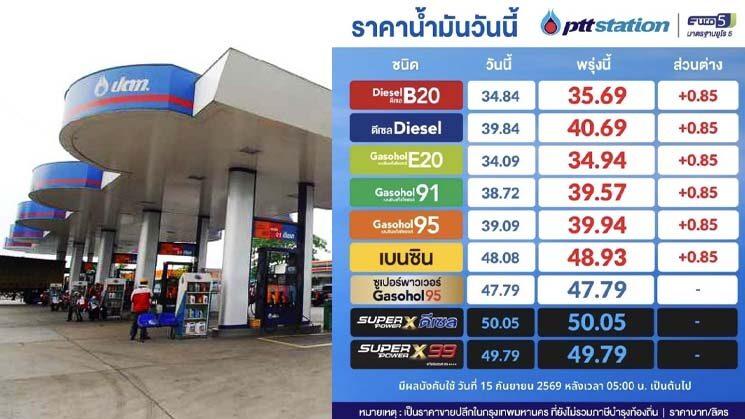
The Thai government is grappling with a mounting energy crisis as the Oil Fuel Fund deficit nears 100 billion baht, threatening to drive up transport and production costs.
According to a report by Khaosod Online, the Thai government is facing significant pressure as the Oil Fuel Fund deficit has reached approximately 80 billion baht. This shortfall is driven by daily subsidies for oil and LPG amounting to 770 million baht, or over 23 billion baht per month. Projections suggest the deficit could hit 100 billion baht by October if current trends persist.
Global energy prices remain volatile due to geopolitical tensions in the Middle East, particularly risks surrounding the Strait of Hormuz. As Thailand relies heavily on energy imports, these global fluctuations directly impact domestic transport costs, production expenses, and consumer purchasing power.
For residents and travelers, this situation may lead to rising prices for goods and services as businesses pass on increased operational costs. While the government is considering short-term relief measures like the 'Thai Chuay Thai Plus' program and state welfare card top-ups, officials acknowledge that this crisis could be more severe than previous ones.
What remains to be confirmed is the government's long-term strategy for managing the fund without causing sudden, drastic price hikes for the public. Authorities are currently weighing a gradual reduction in subsidies against the need to protect vulnerable groups, including low-income earners, farmers, and the transport sector, while also exploring ways to reduce reliance on volatile LNG spot markets.