Economy
Debate Over Diesel Tax Policy and Economic Impact in Thailand
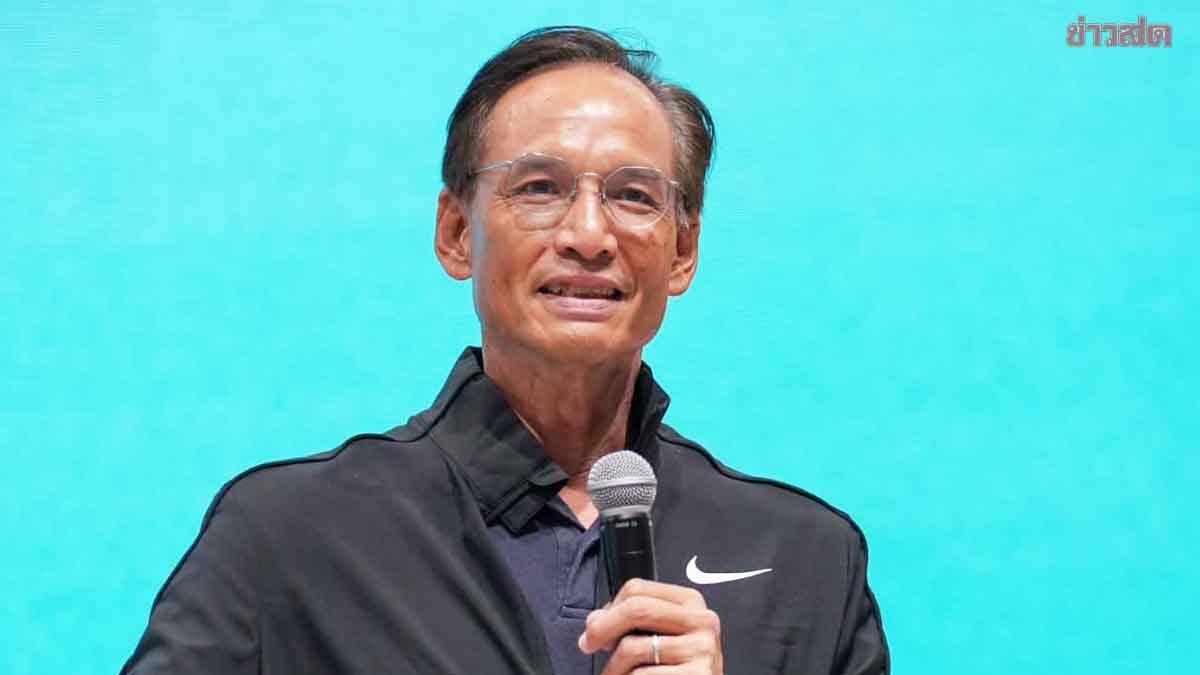
Korn Chatikavanij, a Democrat Party MP, has challenged the government's rejection of a proposal to subsidize diesel fuel, arguing that lower taxes would reduce costs across the entire economy.
On September 21, 2026, Korn Chatikavanij, a list MP and deputy leader of the Democrat Party, publicly responded to the government’s deputy spokesperson regarding fuel subsidy policies. The government had previously dismissed a proposal to reallocate funds from the 'Thai Chuay Thai Plus' program to subsidize diesel, citing concerns that such aid might not reach all demographics.
Korn argued that this perspective misinterprets the role of diesel in Thailand’s economic structure. He emphasized that diesel is not merely fuel for private passenger vehicles, but the 'lifeblood' of the economy, powering logistics, public transport, fishing vessels, and agricultural machinery. Consequently, he noted that even individuals without vehicles are indirectly paying for diesel through the prices of food, transport fares, and delivery services. He contrasted this with the 'Thai Chuay Thai' program, which he claims only provides temporary relief to specific participants without lowering operational costs for businesses.
To support his position, Korn pointed to South Korea’s policy of reducing diesel taxes by 25%, a larger cut than that applied to gasoline. For residents and travelers, this debate highlights ongoing discussions regarding inflation and the cost of living in Thailand. Whether the government will reconsider its stance on fuel tax adjustments or maintain its current subsidy framework remains to be confirmed.