Economy
Bank of Thailand Assesses Baht Stability and Economic Outlook
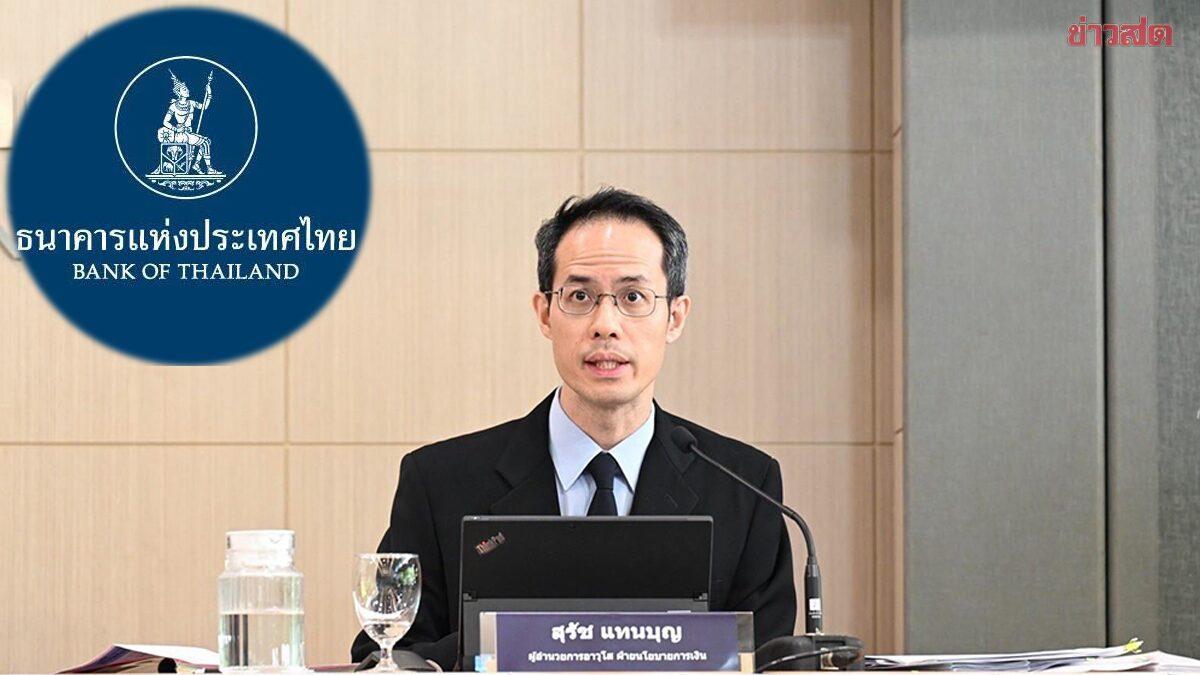
The Bank of Thailand reports that the Thai baht remains stable, supported by strong foreign reserves and limited risks of capital outflows.
On September 18, 2026, Surach Tanboon, Senior Director of the Monetary Policy Department at the Bank of Thailand (BOT), stated that the Thai baht’s performance is primarily driven by global economic trends, major central bank policies, and geopolitical factors. According to the BOT, the baht has maintained stability despite fluctuations in the US dollar, and the market has already priced in interest rate differentials between Thailand and the United States.
Regarding the recent interest rate hike in Japan to 1.25%, the BOT noted that the move was not unanimous, leading markets to temper expectations for further aggressive hikes. Consequently, the BOT maintains that Thailand’s current policy interest rate remains appropriate for the domestic context. Officials emphasized that the Thai economy is recovering below its potential and remains uneven. While inflation may rise due to supply-side factors, it is expected to decline in 2027.
For residents and travelers, this suggests a period of monetary stability, though the BOT remains 'outlook dependent' regarding future adjustments. The central bank highlighted that Thailand’s external stability is bolstered by $300 billion in foreign reserves, which serves as a buffer against capital outflows. Approximately 50 billion baht in net capital has flowed into Thai assets since the beginning of the year. Future developments in global economic policy remain the key factor to monitor.