Safety
Northern Thailand Proposes New '8-3-1' Strategy to Combat PM2.5 Crisis
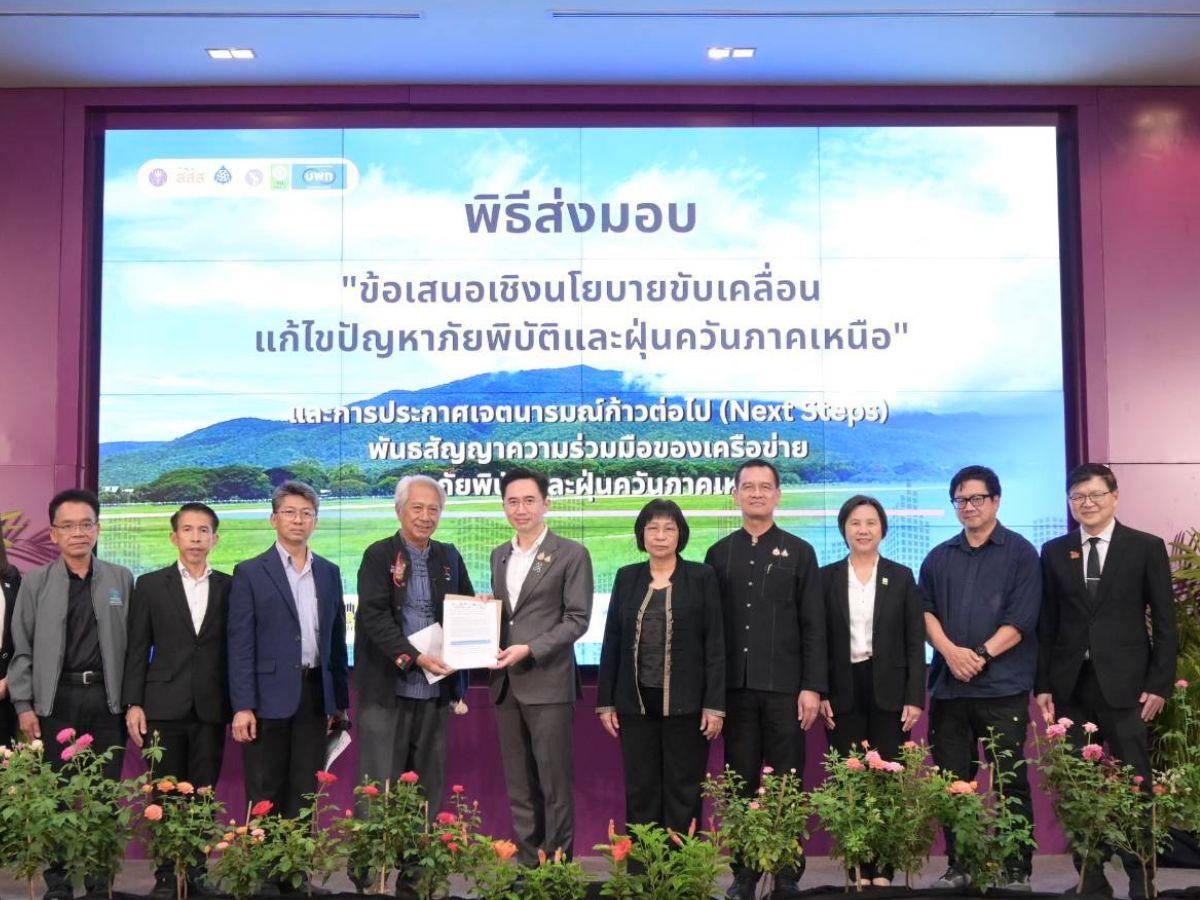
The Ministry of Higher Education, Science, Research and Innovation is collaborating with the Thai Health Promotion Foundation to implement a new anti-burning policy in Northern Thailand.
According to a report by Prachachat Business, the Ministry of Higher Education, Science, Research and Innovation (MHESI) has joined forces with the Thai Health Promotion Foundation (ThaiHealth) and the Breath Council to address the recurring PM2.5 dust crisis in Northern Thailand. The initiative introduces an '8-3-1' strategy, which aims to establish a sandbox model to transform agricultural practices and decentralize authority to provincial governors, effectively empowering them as 'CEO governors' to manage local environmental issues.
The primary objective of this policy is to enforce a 'no-burning' mandate, with the government setting a target to reduce dust levels by 30% to 40%. By shifting agricultural methods and granting local leaders more autonomy, officials hope to mitigate the severe air pollution that frequently impacts the region.
For residents and travellers, this development is significant as it signals a coordinated effort to improve air quality in the North, which often suffers from hazardous smog during the burning season. However, the proposal is currently being submitted to the Cabinet for consideration. It remains to be confirmed whether the policy will be fully approved, how the '8-3-1' framework will be executed on the ground, and what specific timeline will be established for these changes to take effect.