Law
Thailand Tightens Regulations on Weight-Loss Injections
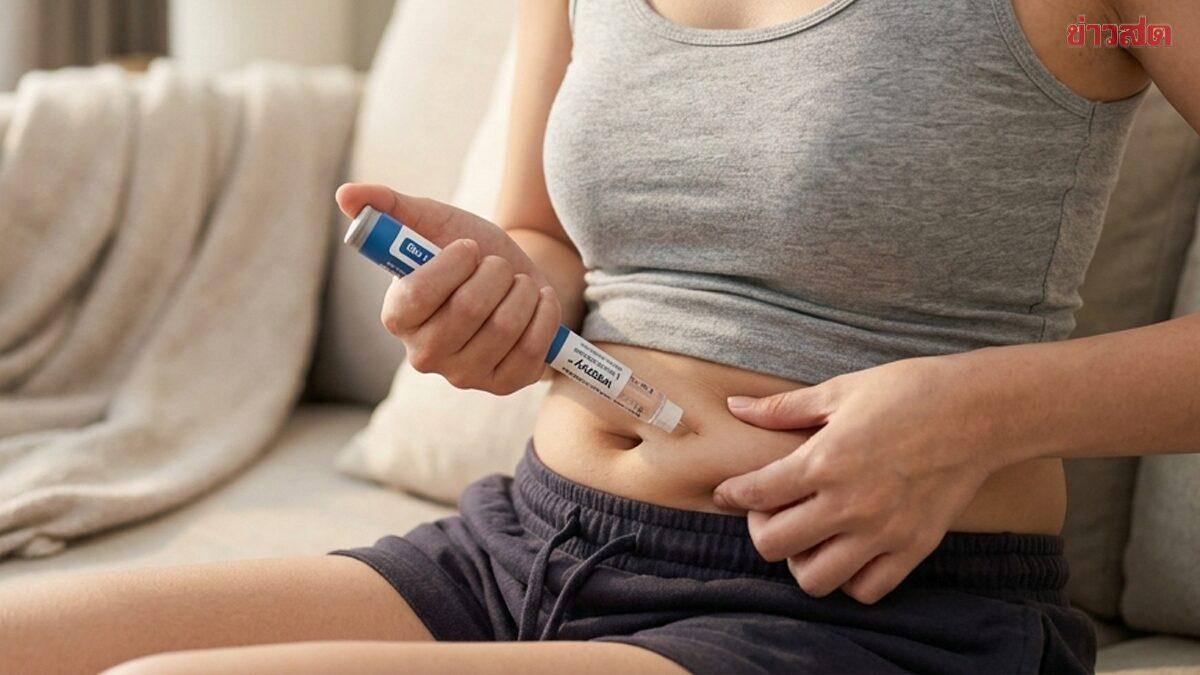
Starting September 15, 2026, Thailand’s FDA has reclassified GLP-1 weight-loss pens as 'special controlled drugs' to combat misuse and counterfeit products.
The Thai Food and Drug Administration (FDA) has announced that GLP-1 receptor agonists, commonly known as 'weight-loss pens' (such as Liraglutide and Semaglutide), will be reclassified as 'special controlled drugs' effective September 15, 2026. According to Khaosod Online, this regulatory shift follows concerns regarding the improper use of these injectable medications, which are intended for treating type 2 diabetes or medically supervised weight management.
Authorities have identified significant issues, including the circulation of counterfeit drugs, products sourced from unregistered channels, and unauthorized online sales. To address these risks, the Ministry of Public Health has issued a new regulation requiring that these medications be dispensed exclusively via a physician's prescription. Furthermore, the FDA is implementing a 'Track & Trace' system to monitor the distribution of these drugs throughout the supply chain.
For residents and travelers, this means that obtaining these medications will now strictly require professional medical assessment and a valid prescription. While these measures aim to ensure patient safety and curb the black market, the long-term impact on availability for legitimate patients remains to be seen. Individuals currently using these products are advised to consult with licensed medical professionals to ensure their supply complies with the new regulatory framework. The FDA has not yet detailed specific penalties for non-compliance by vendors.