
Travel
Phuket: inside the 1934 schoolhouse that is the Thai Hua Museum
Last reviewed: 2026-07-16
Written by Ricardo Dos Santos
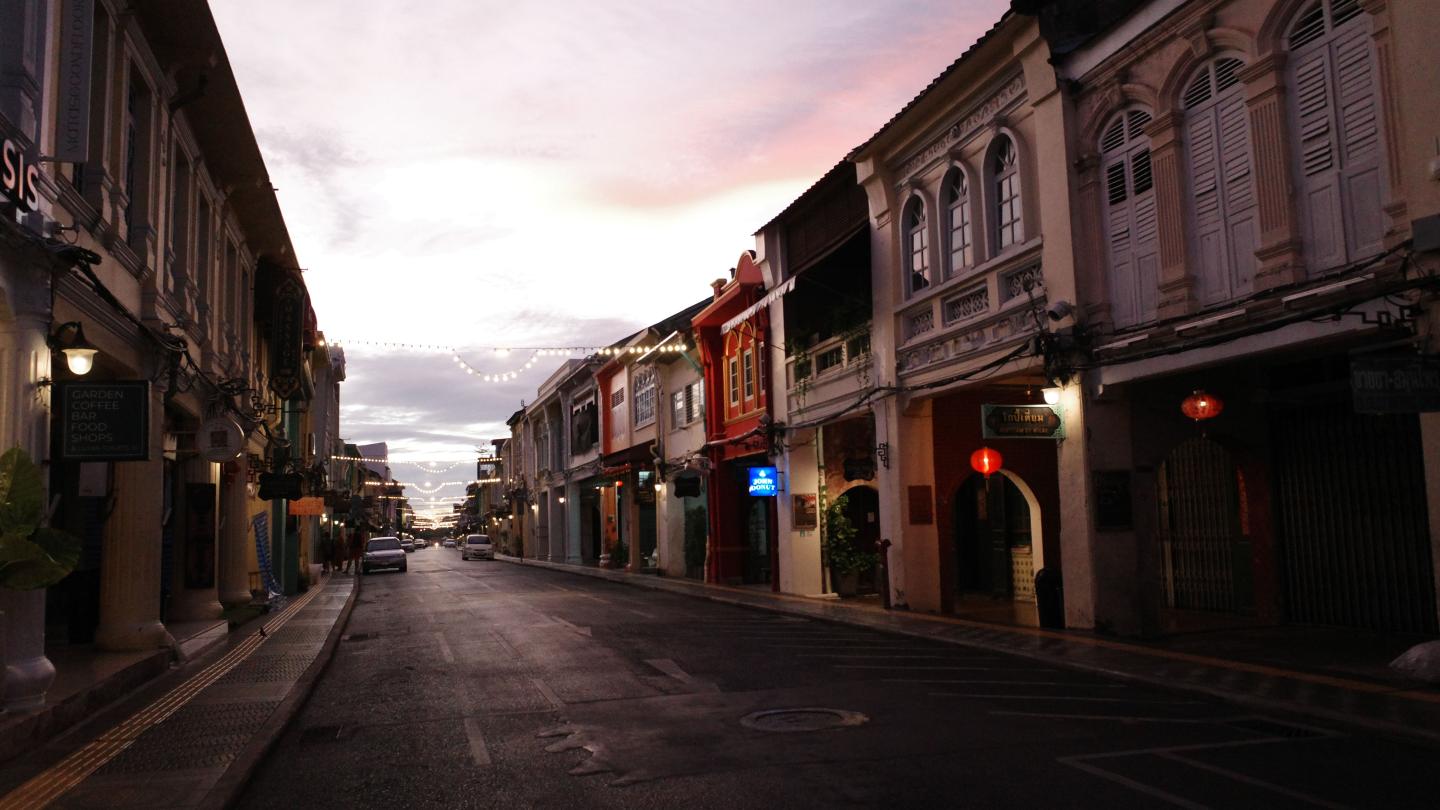
Built in 1934 as Phuket's first Chinese-language school, the Thai Hua Museum is the best briefing before walking the Old Town.
A schoolhouse before it was a museum
The building at 28 Krabi Road opened in 1934, not as a museum but as Phuket Thai Hua School, the island's first institution to teach the Hokkien Chinese language. Tin-mining families funded its construction and shaped its purpose: they needed literate clerks and traders who could operate in both Chinese and Thai commercial worlds. The school taught generations of Phuket's Sino-Thai children until it relocated to modern premises in 1995, leaving the original Sino-Portuguese mansion empty for over a decade before restoration and its reopening as a museum in 2010.
Read the roofline before you go inside
Above the entrance sits a red bat carved into the gable — in Chinese symbolism, the bat's outstretched wings recall an open book, and its colour and pronunciation both link to fortune. It is a small detail easy to miss, but it states the building's original purpose more plainly than any plaque inside: this was always meant to be a place of learning.
Thirteen rooms, one continuous story
Inside, thirteen themed rooms spread across two floors trace the same arc as the Old Town outside its doors. Ground-floor exhibits cover the tin-mining economy and the earliest Hokkien settlement, including tools, ledgers and photographs of the docks and mining camps that built the district's wealth. Upstairs, the rooms shift toward culture rather than commerce: the origins of the Phuket Vegetarian Festival, Baba-Peranakan dress and cuisine, and domestic life inside the mixed Sino-Siamese households that produced much of the town's merchant class.
Why visit before, not after, the walk
Treat the museum as a briefing rather than a stop on the itinerary. Reading its rooms first gives names and dates to what would otherwise be handsome but mute facades: the shophouse arcades, the shrine doorways, the Soi Romanee lane you pass ten minutes later. The museum makes no claim to be comprehensive, and doesn't need to be — an hour here is enough to walk out noticing details the building's own former students would have taken for granted.
Practical details
The museum opens daily from 9:00 a.m. to 5:00 p.m. and is closed on Mondays. Admission is 200 baht, with an additional 200 baht for a photography pass if you want to shoot inside the rooms. Allow about an hour for an unhurried visit. It sits within a five-minute walk of Thalang Road and Soi Romanee, making it an easy first or last stop on an Old Town loop.
Before you go
Confirm current hours and pricing close to your visit, since museum schedules and fees can change without much notice, and Mondays should be avoided entirely rather than risked. Combine the visit with a slow walk rather than a rushed multi-site day — the museum rewards attention more than speed.