
Parit Wacharasindhu Proposes Four-Stage Budgeting Strategy
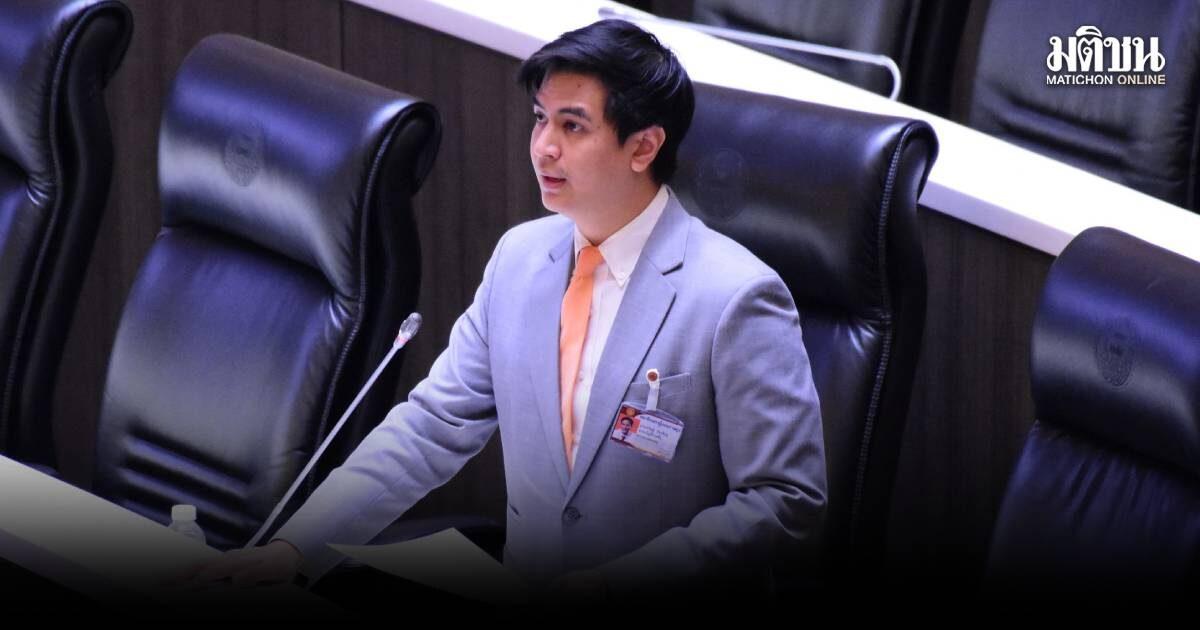
Opposition politician Parit Wacharasindhu has criticized the government's fiscal priorities, specifically the rejection of a 600-baht subsidy for young children.
Political Budgeting Debate
On November 20, 2026, Parit Wacharasindhu, a prominent political figure, proposed a new budgetary framework organized around four distinct life stages. During his address, he questioned the current administration's decision-making process, specifically highlighting the refusal to approve a 600-baht monthly subsidy intended for young children. Parit used the occasion to challenge the transparency of the executive branch, questioning who holds the actual authority in the current government.
Impact on Residents
For residents and observers of Thai politics, this debate underscores ongoing tensions regarding social welfare spending and fiscal policy. The rejection of the child subsidy has sparked discussions about the government's commitment to supporting vulnerable demographics. While this is primarily a legislative matter, it reflects broader debates about how public funds are allocated and the influence of various political factions within the ruling coalition.
Status of Developments
As of now, the government has not provided a detailed rebuttal regarding the specific rejection of the child subsidy or the broader critique of its leadership structure. The proposal for a four-stage budget remains a political suggestion from the opposition. Observers are waiting to see if these criticisms will lead to any adjustments in the upcoming fiscal planning or if the administration will maintain its current budgetary stance. Further clarification on the decision-making hierarchy within the government remains a point of public interest.
