
Adisorn Criticizes 2017 Constitution for Limiting Parliamentary Budgetary Power
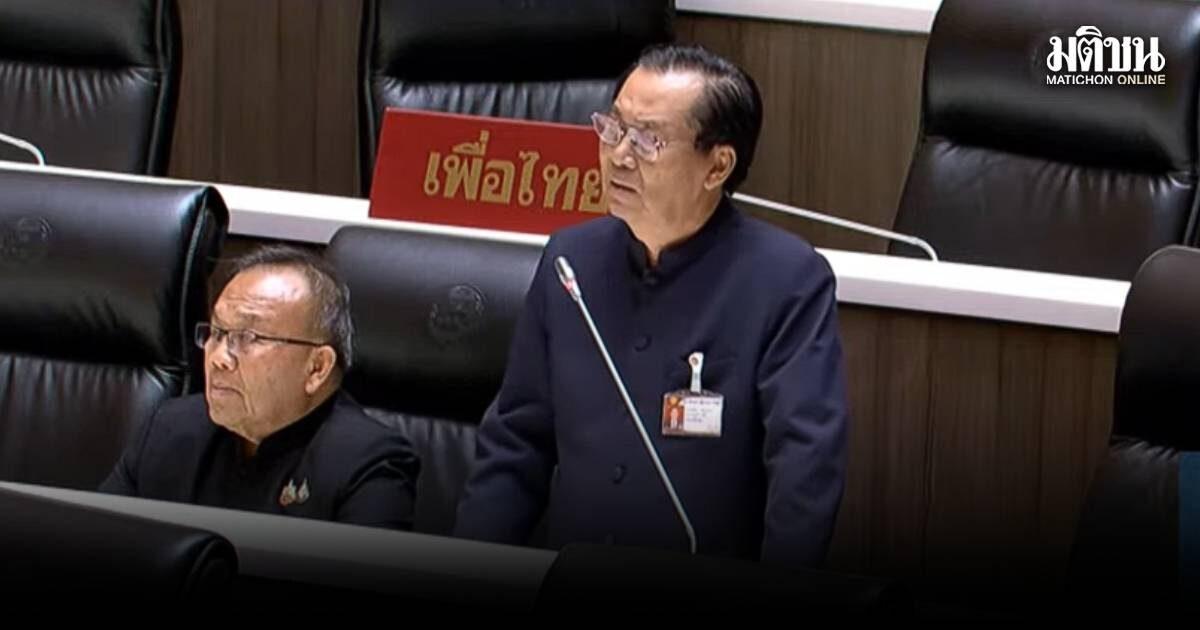
Pheu Thai MP Adisorn Piengkes has publicly criticized the 2017 Constitution, arguing it restricts the legislative power of elected representatives regarding budget initiatives.
Parliamentary Budgetary Constraints
In a recent statement reported by Matichon Online, Pheu Thai Party Member of Parliament Adisorn Piengkes expressed strong criticism of Thailand's 2017 Constitution. Adisorn argued that the current legal framework effectively 'chains' elected representatives, stripping them of their traditional authority to initiate budgetary proposals. He characterized this limitation as a significant loss of dignity for the legislative branch.
Concerns Over Governance
Adisorn further suggested that the true power over national budget allocation has shifted away from elected officials toward what he described as a 'bureaucratic party.' This critique highlights ongoing tensions regarding the balance of power between the legislative body and the administrative state under the current constitutional structure.
Impact and Outlook
For residents and observers of Thai politics, this discourse underscores the persistent debate surrounding constitutional reform and the role of elected representatives in fiscal policy. While these comments reflect the perspective of a prominent political figure, they do not represent an immediate change in government policy or legislative procedure. It remains to be seen whether these criticisms will gain traction among other political factions or lead to formal proposals for constitutional amendments. As of now, the 2017 Constitution remains in full effect, and the established budgetary processes continue to operate under its existing provisions.
