
Confusion Surrounds US-Thailand Trade Agreement Negotiations
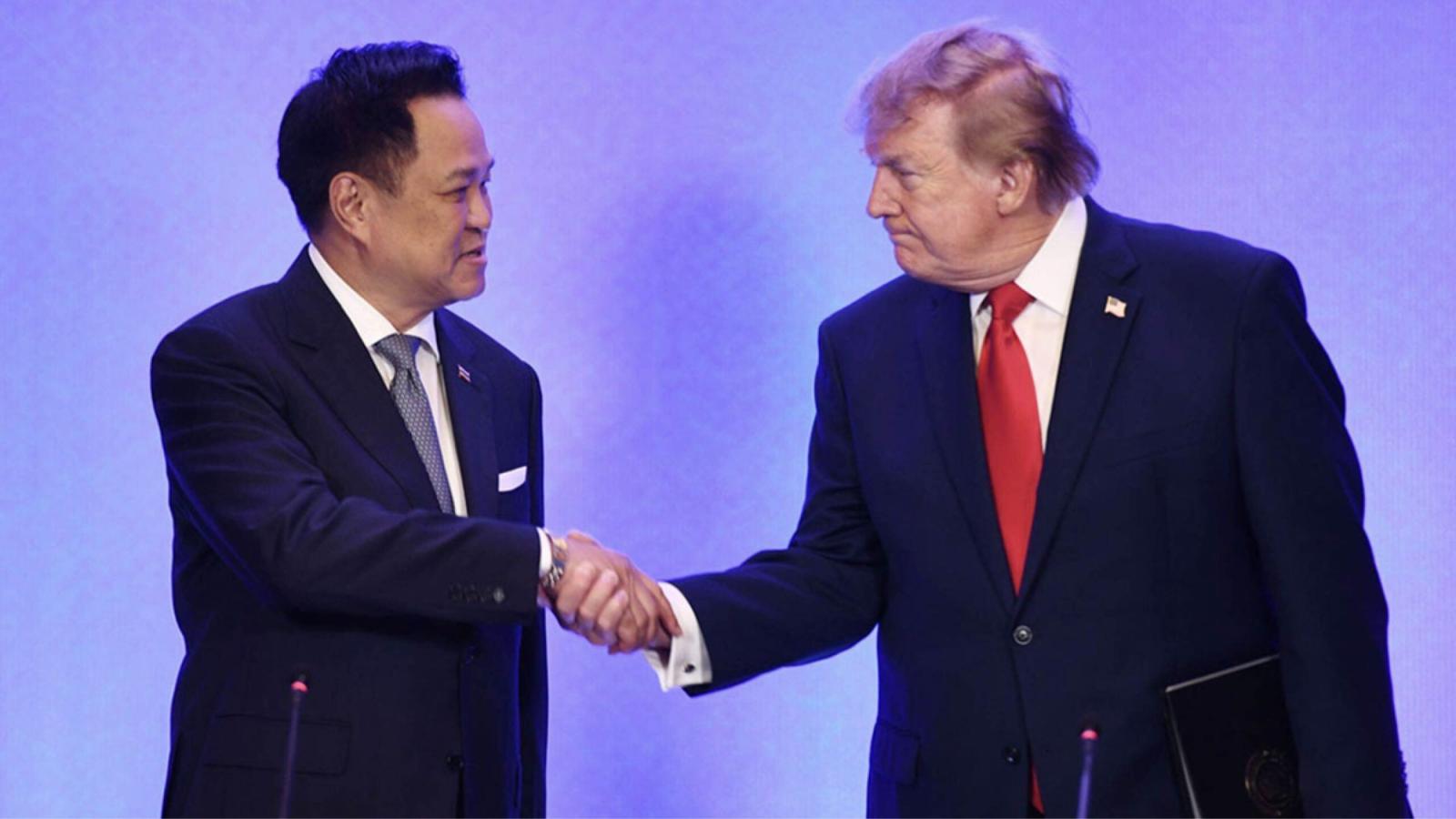
A joint statement between US President Donald Trump and Thai Prime Minister Anutin Charnvirakul regarding a new trade agreement has sparked public confusion and conflicting reports.
Following a meeting between US President Donald Trump and Thai Prime Minister Anutin Charnvirakul, a joint statement regarding the Reciprocal Trade Agreement (ART) has led to significant public uncertainty. President Trump publicly stated that Thailand had agreed to eliminate import tariffs on all US goods, including vehicles, medical equipment, pharmaceuticals, ethanol, and poultry, while also committing to purchasing $2.6 billion worth of US agricultural products. However, Thai representatives have since disputed these claims, labeling the reports as inaccurate and inconsistent with the actual negotiations. This discrepancy has raised concerns among the public regarding the transparency of the deal and the potential economic impact on local farmers and small businesses. Given that the US is a major export market for Thailand, valued at over 2.37 trillion baht annually, the details of these trade concessions are critical. For residents and business owners, the situation highlights potential shifts in import costs and market access. As of now, the specific terms of the agreement remain unconfirmed, and the Thai government has yet to release a detailed breakdown of the actual commitments made during the talks. Observers are waiting for official clarification to determine how these trade policies might affect the broader Thai economy and local industries.
