
Questions Arise Over New Thailand-US Trade Agreement
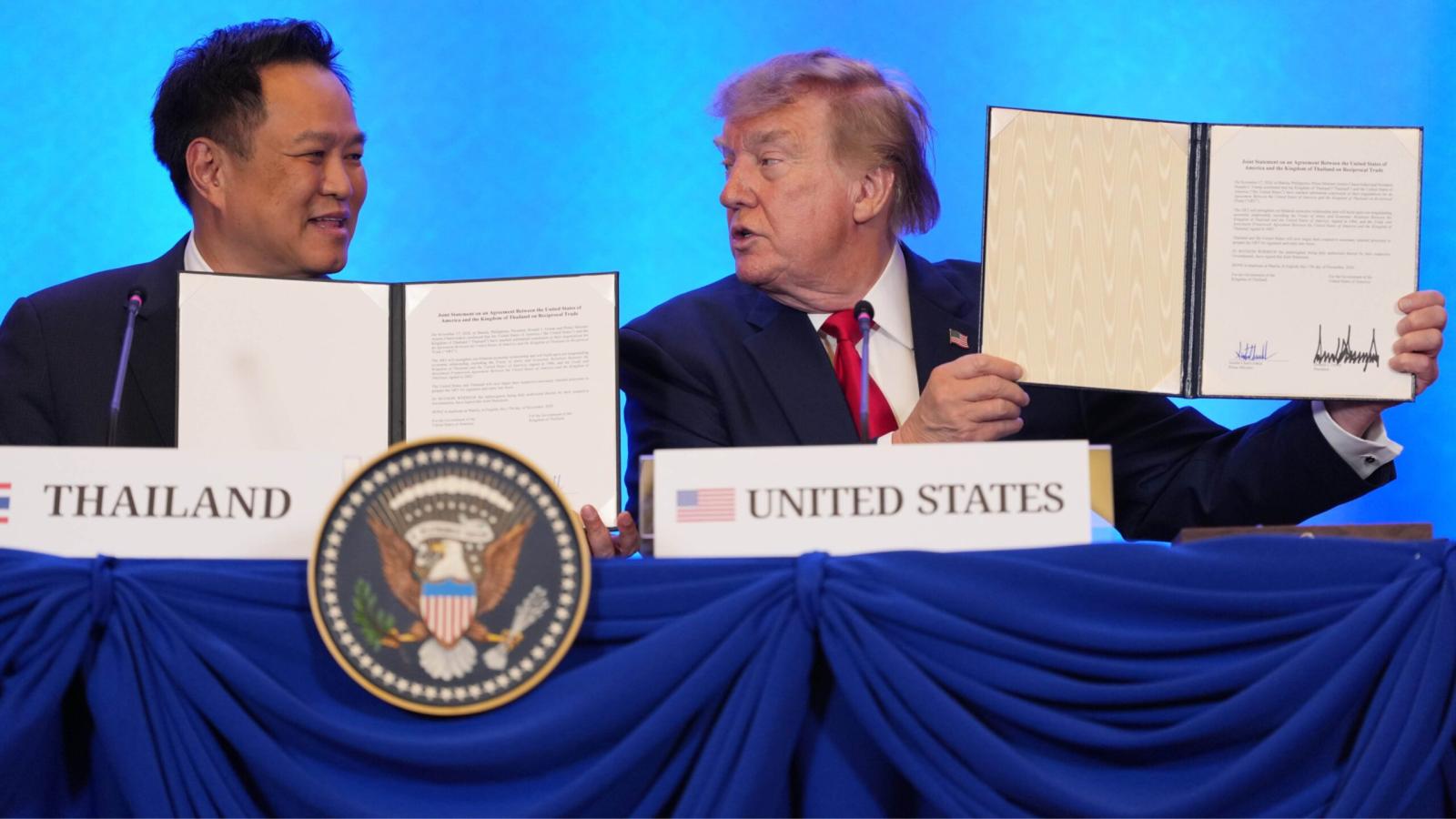
A recent trade agreement signed between Prime Minister Anutin Charnvirakul and US President Donald Trump has sparked public debate due to a lack of transparency regarding its specific terms.
Prime Minister Anutin Charnvirakul and US President Donald Trump have signed a reciprocal trade agreement, sparking significant public and political debate in Thailand. While the government maintains that the deal will benefit the nation by expanding export opportunities for agricultural and food products to the US market and providing greater regulatory clarity for businesses, critics are demanding more transparency. Opposition leader Sirikanya Tansakul has questioned why the details of the agreement remain undisclosed, noting that similar US trade deals with countries like Malaysia and Bangladesh have been made public. Concerns have been further fueled by conflicting statements regarding potential tariff changes; while President Trump suggested a total elimination of import tariffs, the Thai government has denied this claim. For residents and business owners, the lack of clarity creates uncertainty regarding the future of sectors including automotive, pharmaceuticals, digital services, and agriculture. The government asserts that the negotiations prioritized national interests and long-term economic stability, but the absence of published documentation leaves many questions unanswered. Until the government releases the full terms of the agreement, the actual impact on the Thai economy and the specific concessions made remain unconfirmed. Observers are waiting for official clarification to determine how these changes might affect local industries and consumer costs.
