
Constitutional Dispute Emerges Between Election Commission and Supreme Court Over Senate Qualifications
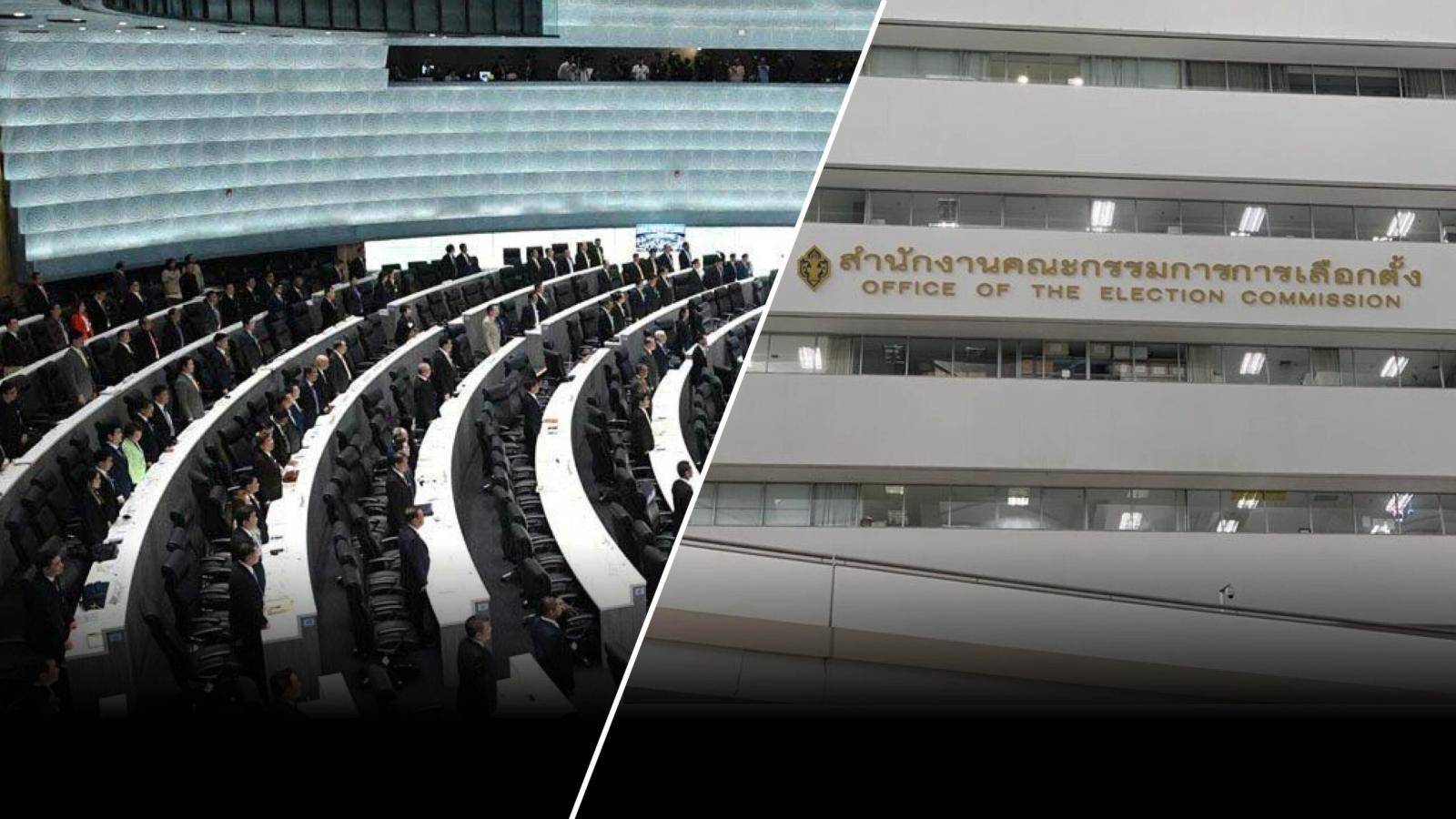
The Election Commission of Thailand has sought a Constitutional Court ruling to challenge the Supreme Court's authority to review Senate candidate qualifications, leading to a procedural standoff.
A significant legal dispute has surfaced between the Election Commission of Thailand (ECT) and the Supreme Court regarding the oversight of Senate candidate qualifications. The ECT, in a 5-to-2 majority vote, decided to petition the Constitutional Court to clarify whether the Supreme Court possesses the legal authority to review the eligibility of Senate candidates after the ECT has already finalized the candidate lists. The Commission argues that its own decisions regarding candidate qualifications are final and should not be subject to judicial review by the Supreme Court, citing Section 63 of the Organic Act on the Acquisition of Senators. Following this, the ECT requested the Supreme Court to postpone ongoing qualification hearings pending the Constitutional Court's interpretation. However, the Supreme Court rejected this request, noting that the ECT had not yet formally filed its petition with the Constitutional Court. Consequently, the Supreme Court continues to proceed with witness hearings and evidence examination in cases involving Senate candidate eligibility. For residents and observers, this conflict highlights a tension between constitutional bodies that could impact the finality of electoral processes. It remains to be confirmed how the Constitutional Court will rule on the jurisdictional boundaries between these two institutions and whether this will lead to further delays in the Senate qualification cases.
