
Thailand Proposes Tax Cuts on E20 and B20 Fuels to Support Farmers
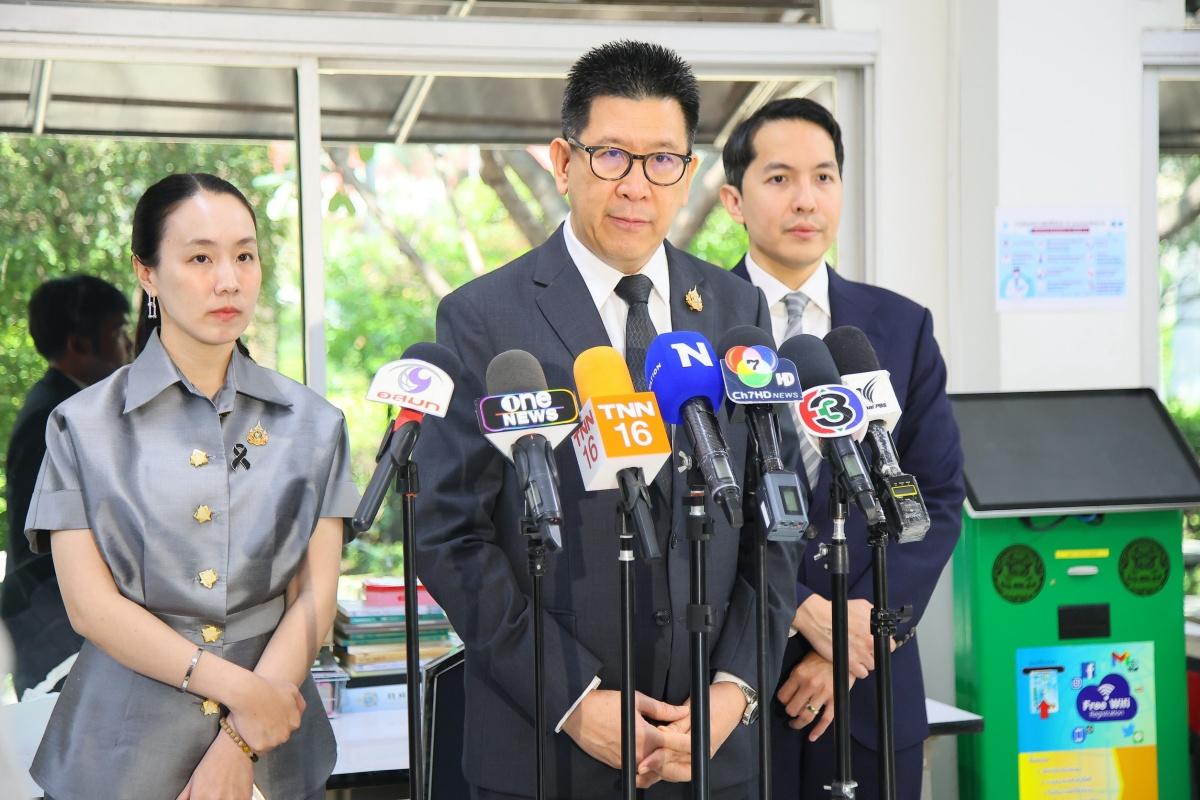
Deputy Prime Minister Ekniti Nitithanprapas has outlined a strategy to reduce taxes on E20 and B20 fuels, aiming to boost demand for domestic agricultural products.
According to a report by Prachachat Business, Deputy Prime Minister Ekniti Nitithanprapas has defended a proposed tax reduction model for E20 and B20 fuels. The initiative is designed to create a price differential that encourages the consumption of these biofuels, which are derived from sugarcane, cassava, and palm oil. By stimulating demand for these crops, the government intends to provide direct financial support to Thai farmers.
Ekniti emphasized that relying on diesel tax cuts or utilizing the Oil Fund is akin to moving money between pockets, offering only temporary relief. He pointed to the lessons learned from global conflicts, which have historically caused Thailand to suffer from trade deficits due to heavy reliance on imported oil. By shifting focus toward domestic biofuels, the government hopes to improve energy security and stabilize the agricultural sector.
For residents and travelers, this policy could eventually influence fuel prices at the pump, potentially making biofuels more attractive compared to standard fossil fuels. However, the specific timeline for the implementation of these tax adjustments and the exact impact on retail fuel prices remain to be confirmed. The government continues to evaluate the long-term economic implications of this shift as it seeks to balance energy costs with support for the local agricultural economy.
