
Stingless Bees Emerge as a Lucrative Agricultural Opportunity in Thailand
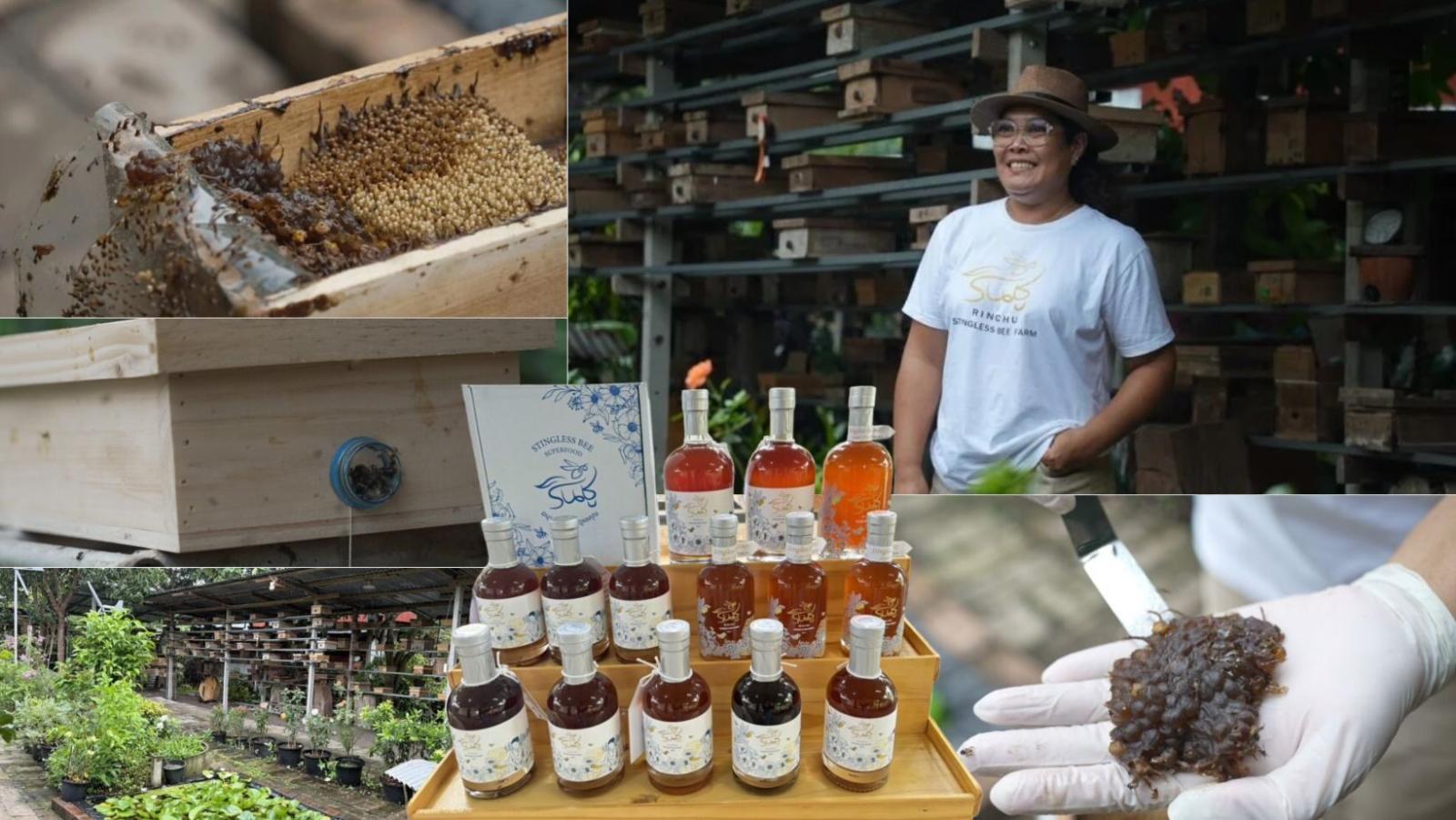
Stingless bees, known for their medicinal honey, are becoming a popular source of income for retirees and rural communities in Thailand.
According to a report by Khaosod Online, stingless bees—often called 'tiny bees'—are gaining traction as a significant economic asset in Thailand. Unlike traditional honeybees, these insects lack stingers, making them docile and easier to manage for small-scale farmers.
Pairin Churod, head of the Rin-Chu Stingless Bee Community Enterprise in Ratchaburi, highlights the transition from a high-stress corporate career to stingless bee farming. After experiencing personal health improvements attributed to the consumption of stingless bee honey, Pairin began cultivating the insects. What started as a small hobby with four hives expanded significantly during the COVID-19 pandemic, when traditional income streams like vegetable farming and basket weaving faltered. Today, her enterprise manages over 100 hives.
For residents and visitors, this trend underscores a growing interest in local, high-value agricultural products. Stingless bee honey is increasingly recognized for its unique nutritional and medicinal properties, distinguishing it from conventional honey. While the economic potential for rural households is clear, the long-term scalability of this niche market and the standardization of honey quality across different regions remain areas for further development. Those interested in local Thai agriculture may find this a compelling example of how traditional knowledge and natural resources are being repurposed for modern economic stability.
