
Young Innovators at XCL ASB Utilize Synthetic Biology to Transform Plastic Waste
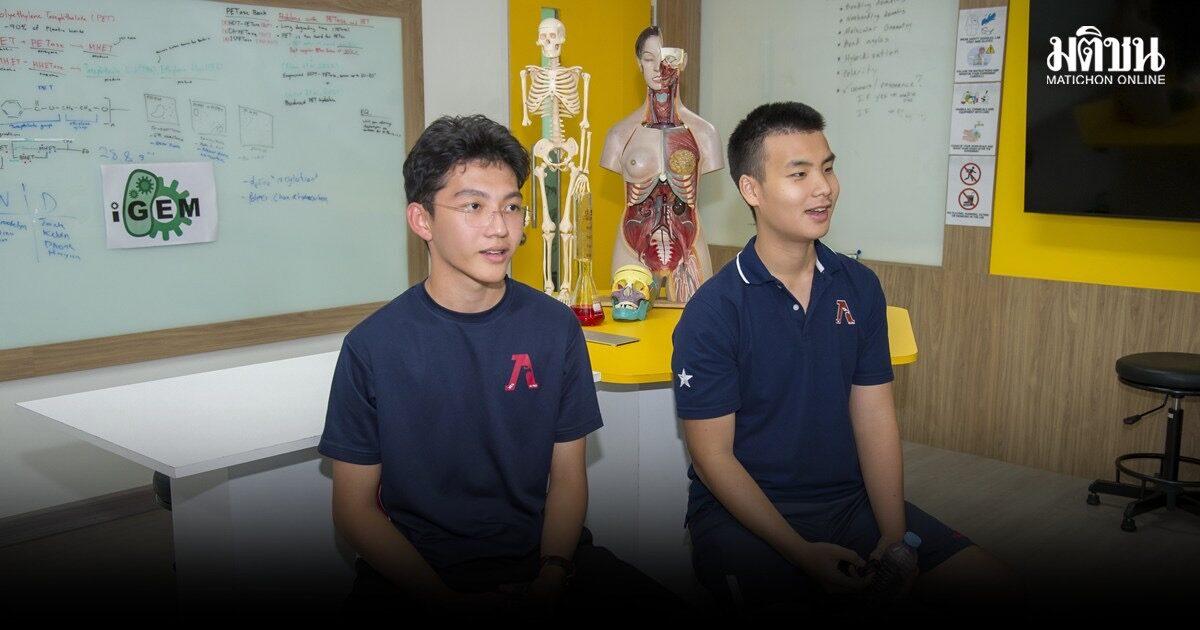
Students at XCL ASB have developed a method using synthetic biology to convert plastic waste into melanin, marking a significant step in sustainable material science.
According to a report by Matichon Online, a group of young innovators from XCL ASB has successfully applied synthetic biology techniques to address the growing issue of plastic pollution. The project focuses on upcycling plastic waste by converting it into melanin, a natural pigment found in many living organisms.
For residents and visitors in Thailand, this development highlights the country's growing focus on sustainable technology and environmental education within its international school system. As Thailand continues to grapple with plastic waste management, such student-led initiatives demonstrate a practical application of biotechnology that could eventually influence local waste processing methods.
While the project showcases the potential for innovative waste-to-value solutions, several aspects remain to be confirmed. Specifically, the scalability of this synthetic biology process for industrial or commercial use has not yet been detailed. Furthermore, it remains to be seen how this laboratory-scale success might be integrated into broader environmental policies or waste management infrastructure in the future. The project serves as a notable example of how academic research in Thailand is increasingly aligning with global sustainability goals.
