
Politics
Civil Society Groups Oppose Thailand's Potential UPOV 1991 Accession
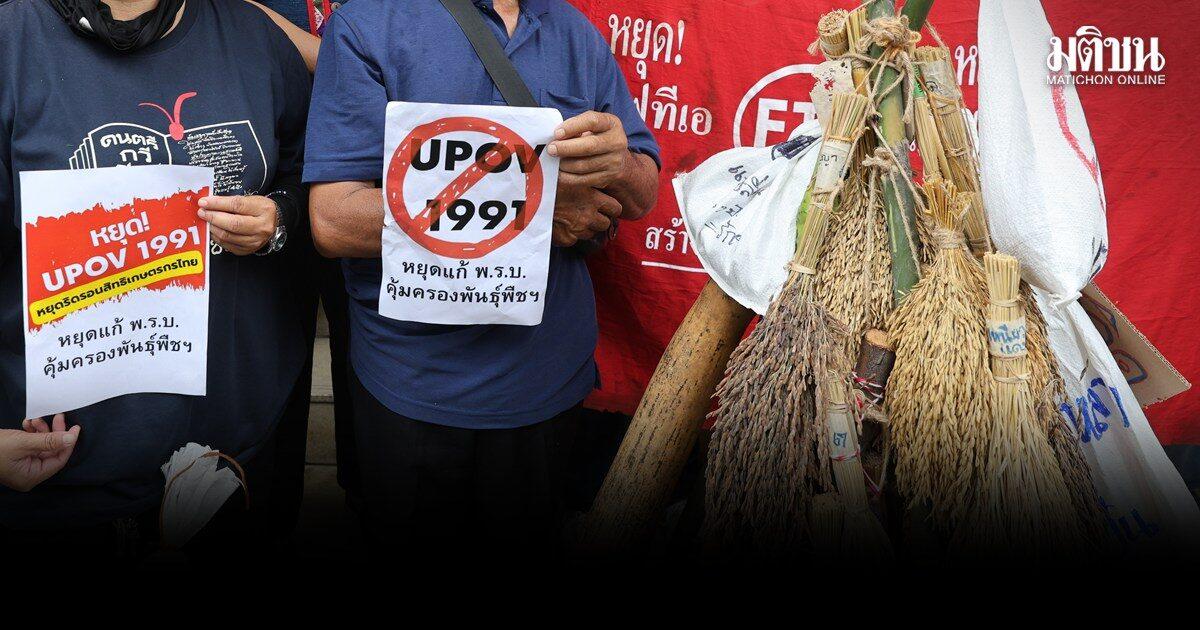
A coalition of civil society organizations has issued a formal statement urging the Thai government to reject the UPOV 1991 convention, citing concerns over the rights of small-scale farmers.
On September 24, 2026, Matichon Online reported that a coalition of civil society groups released a joint statement expressing strong opposition to the Thai government’s potential accession to the UPOV 1991 convention. The groups argue that joining this international agreement on plant variety protection could negatively impact small-scale farmers and threaten the country's agricultural biodiversity.
The primary concern raised by these organizations is that the strict regulations imposed by UPOV 1991 may restrict farmers' traditional rights to save, exchange, and reuse seeds. Critics fear that such policies could lead to increased dependency on large commercial seed companies and potentially raise costs for local agricultural production.
For residents and those interested in Thailand’s agricultural landscape, this development highlights an ongoing debate regarding food security and the balance between international trade standards and local farming practices. The potential shift in seed regulation could influence the future of local markets and the availability of diverse produce.
As of now, the government has not confirmed its final stance on the accession, and the extent to which these civil society concerns will influence official policy remains to be seen. Observers are waiting for further clarification from the relevant ministries regarding whether the country will proceed with the agreement or seek alternative frameworks that better protect smallholder interests.