Economy
Thai Finance Ministry Weighs Targeted Fuel Tax Cuts to Support Farmers
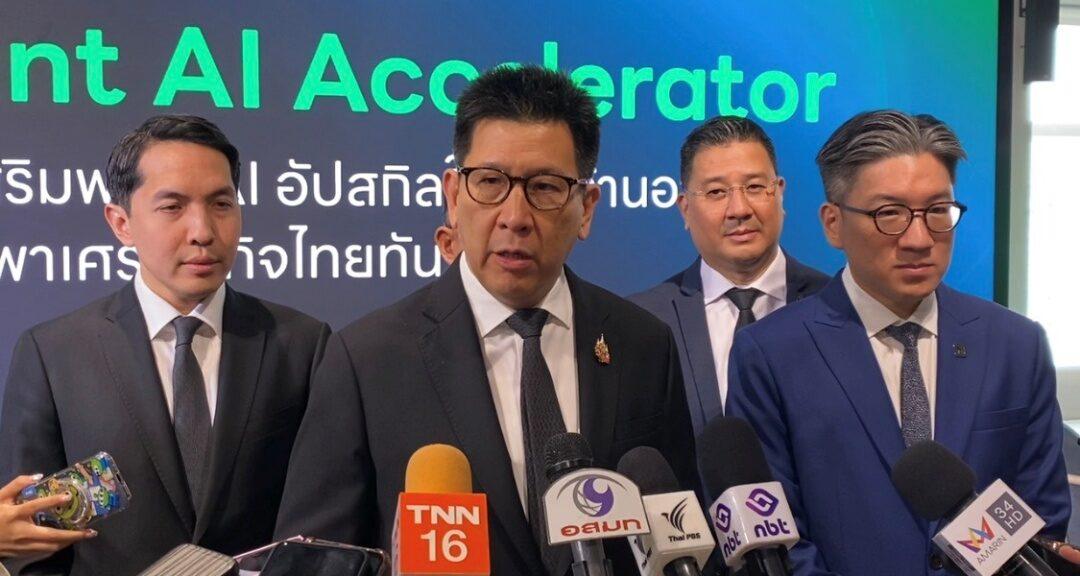
Deputy Prime Minister and Finance Minister Ekniti Nitithanprapas has indicated that while fuel tax cuts remain an option, they will be strictly targeted at E20 and B20 fuels to benefit the agricultural sector.
According to a report by Khaosod Online, Deputy Prime Minister and Finance Minister Ekniti Nitithanprapas has addressed proposals to use remaining crisis-relief loan funds to reduce excise taxes on fuel. Ekniti emphasized that the government maintains three primary tools to manage energy prices: the Oil Fuel Fund, cooperation with refineries to lower margins, and excise tax adjustments.
While the government has avoided broad tax cuts to protect state revenue, Ekniti noted that if tax intervention becomes necessary, it would be specifically directed toward E20 and B20 fuels. These fuels contain high levels of ethanol and biodiesel, meaning tax relief would directly support Thai farmers who produce the sugarcane, cassava, and palm oil used in these blends.
Ekniti stressed the importance of fiscal discipline, noting that the current fiscal year, ending in September, has a limited remaining loan capacity of approximately 10 billion baht. He warned that reckless spending or broad tax reductions could risk a fiscal crisis. For residents and travelers, this means that while fuel prices remain a government priority, broad subsidies are unlikely, and any future relief will be highly selective. The government plans to re-evaluate its fiscal space for the upcoming budget year. Further details on potential implementation timelines or specific price adjustments remain to be confirmed.