Law
Former Judge Clarifies Legal Limitations in Senate Election Collusion Cases
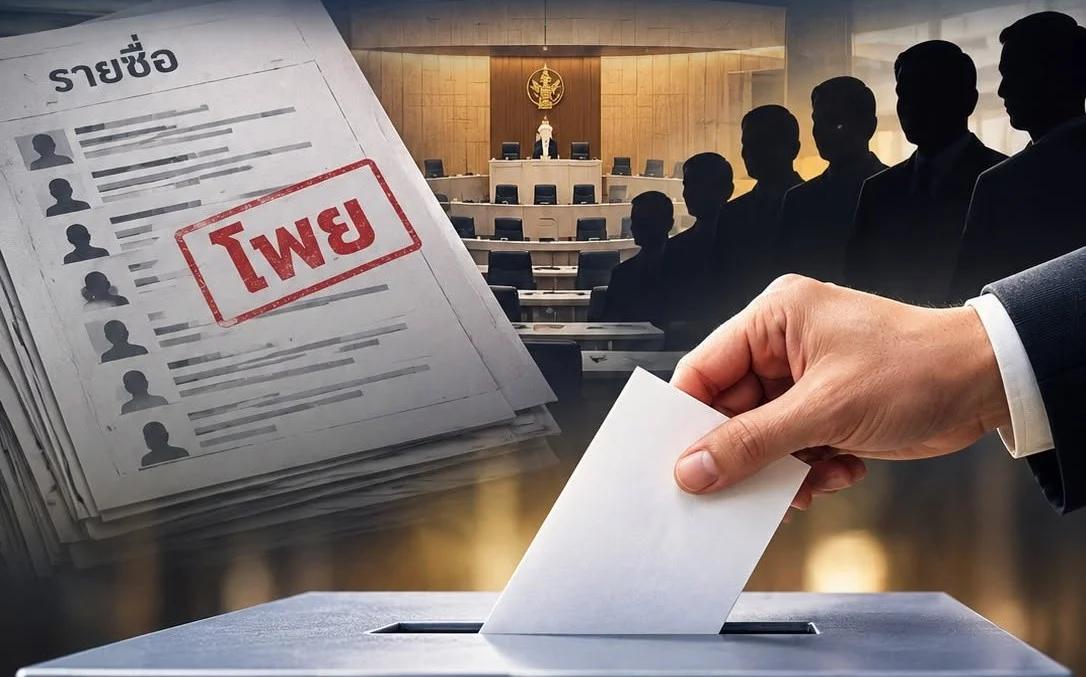
A former judge explains why Senate election results cannot be annulled based on 'collusion lists' in the same manner as House of Representatives elections.
According to a report by Thai Post on September 21, 2026, former judge Wasant Tingsamit has addressed the legal complexities surrounding allegations of collusion in the recent Senate election. The discussion centers on the discovery of 'collusion lists' (phoy hua) that appear to match final voting outcomes.
Wasant clarified that while these lists raise significant questions, they do not technically invalidate the 'secret ballot' nature of the process from a formal standpoint. Crucially, he noted that the legal principles applied to House of Representatives elections—specifically under Sections 83 and 85 of the Constitution—cannot be directly transposed to the Senate election process to justify a total annulment of the results.
For residents and observers, this distinction highlights a potential gap in the current electoral framework. While the existence of such lists has sparked public debate regarding the integrity of the selection process, the legal threshold for overturning the Senate results remains significantly higher than that for the House. It remains to be confirmed how the Election Commission or the courts will ultimately address these specific allegations as legal scrutiny continues. This situation serves as a reminder of the distinct regulatory environments governing different branches of the Thai government.