Economy
Thailand Faces Household Debt Challenges as Financial Institutions Tighten Lending
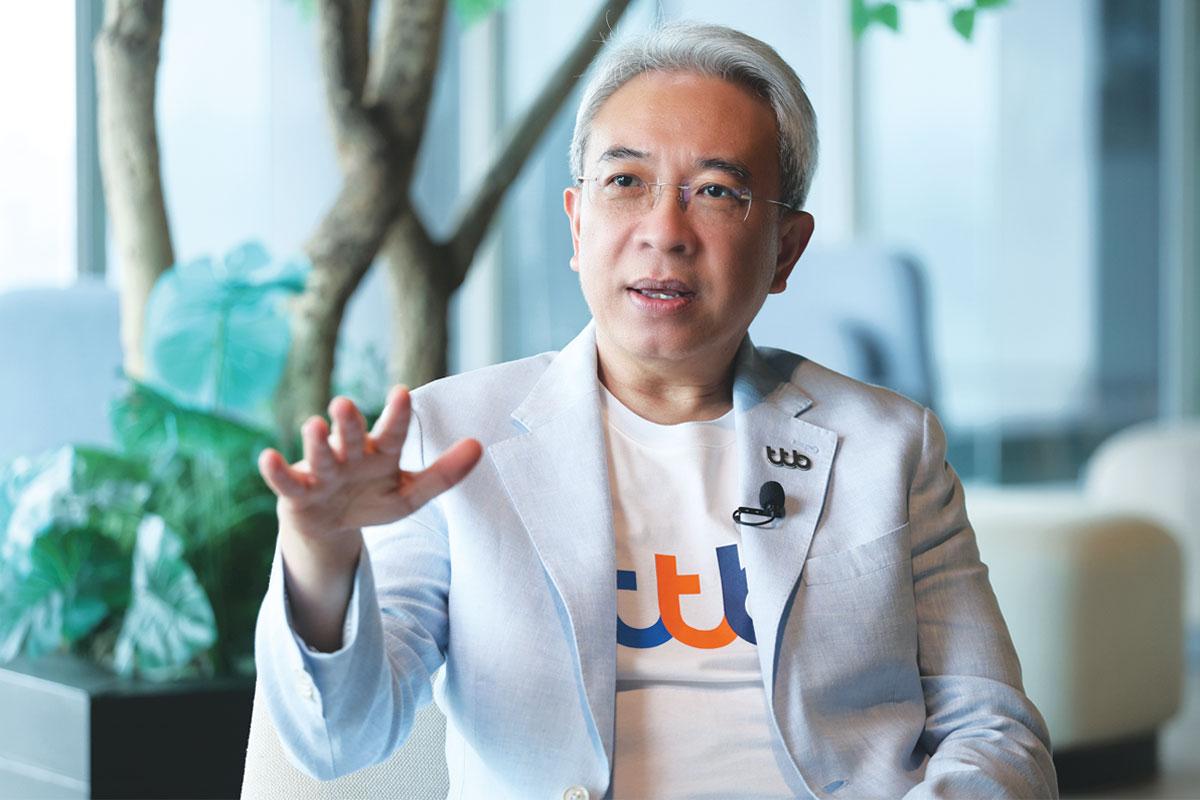
Thailand's economy is grappling with slow growth and rising household debt, prompting banks like ttb to introduce new credit models to assist borrowers.
According to a report by Prachachat Business, Thailand is currently facing significant economic headwinds characterized by sluggish growth and a lack of new industrial drivers. A primary concern identified by financial experts is the persistent issue of high household debt, which continues to hinder national economic expansion.
As the volume of non-performing loans increases, regulatory bodies have mandated stricter criteria for credit approvals. In response to this tightening environment, TMBThanachart Bank (ttb) has introduced a 'Risk-Based Pricing' (RBP) model. This initiative aims to offer lower interest rates to borrowers with strong credit profiles, providing a potential pathway for individuals to manage their financial obligations more effectively amidst the current economic climate.
For residents and long-term expatriates, this shift signifies a more cautious lending landscape. While the RBP model may offer relief to those with stable financial histories, the broader trend of stricter credit scrutiny could impact personal borrowing power for loans or credit cards. It remains to be confirmed how widely other financial institutions will adopt similar risk-based models and what long-term impact these measures will have on the overall household debt crisis. Observers are watching to see if these adjustments will successfully stimulate consumer spending or if further structural economic reforms will be required to address the underlying income insufficiency mentioned in the report.