Economy
India Shifts Rice Export Strategy, Impacting Global Markets
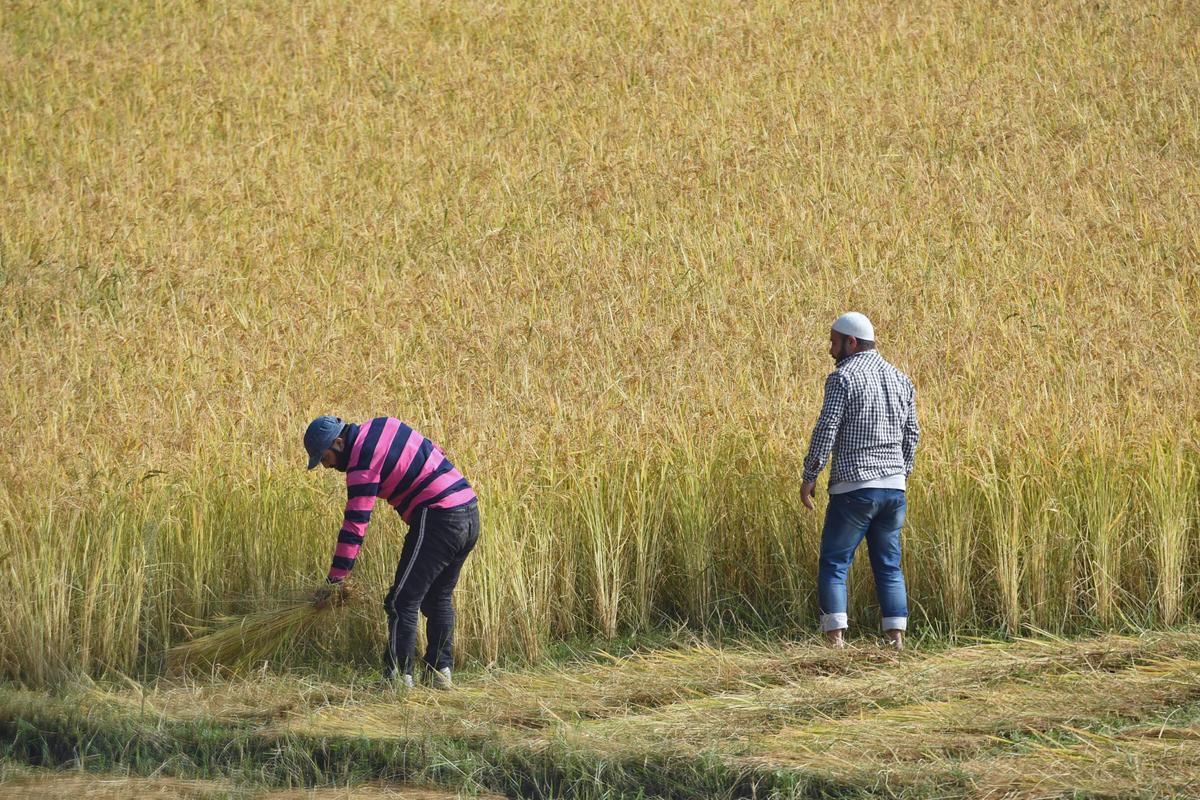
India has pivoted its rice export policy, significantly increasing shipments of non-basmati rice as domestic production levels rise.
According to a report by Prachachat Business, India has shifted its rice export strategy for the 2025-2026 period. Following a period between 2023 and 2024 where the country prioritized domestic food security and price control through strict export limitations, India is now aggressively re-entering the global market. Data indicates that exports of non-basmati rice have surpassed 15.01 million tons, reaching a total value of 5.82 billion USD.
For residents and travelers in Thailand, a major global rice exporter, this shift is significant. Increased competition from India may influence global rice prices and affect the export dynamics of the Thai agricultural sector. As India eases its previous restrictions, the global supply chain is adjusting to a higher volume of Indian rice, which could lead to price fluctuations in local markets.
While the current export figures reflect a clear change in policy, it remains to be confirmed how long India will maintain this aggressive export stance and what specific long-term impacts this will have on the global price index. Stakeholders are monitoring whether this surge in supply will lead to a sustained decrease in international rice prices or if domestic demand in India will eventually necessitate a return to stricter export controls.