Politics
Canada Considers EU 'Associate Member' Status Amid Strained US Relations
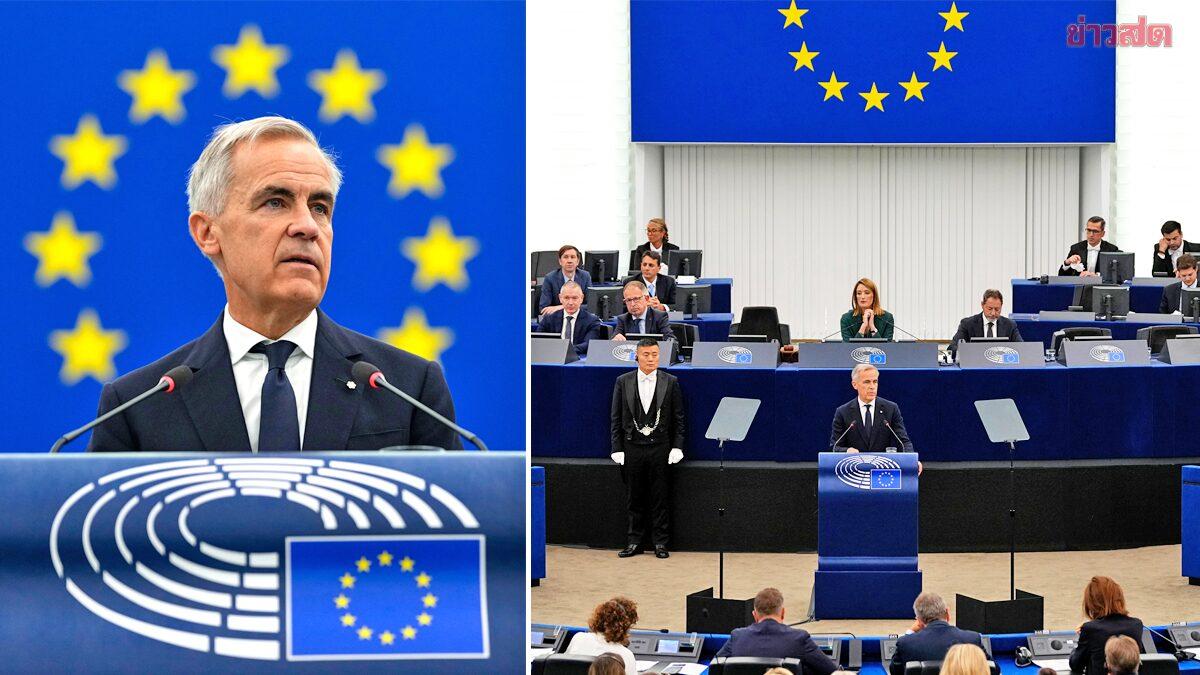
Canadian Prime Minister Mark Carney has welcomed a proposal from the European Commission to grant Canada the status of the EU's first 'associate member' as the nation seeks to reduce economic reliance on the United States.
On September 18, 2026, Canadian Prime Minister Mark Carney addressed the European Parliament in Strasbourg, expressing interest in a proposal by European Commission President Ursula von der Leyen to make Canada the European Union's first 'associate member.' This move comes as Canada seeks to diversify its economic and political partnerships, citing growing tensions with the United States, including trade disputes and concerns over national sovereignty under the current U.S. administration.
Prime Minister Carney emphasized that Canada is not seeking full EU membership but rather a strategic partnership to protect its markets and democratic values from external pressure. He noted that the U.S. administration's recent tariff policies and rhetoric have accelerated Canada's desire to strengthen ties with Europe.
For residents and travelers, this potential shift signifies a major realignment in international relations that could eventually impact trade regulations, travel agreements, and economic stability between North America and Europe. However, the specific legal framework for this 'associate member' status remains undefined, as it is not currently provided for in existing EU treaties. Further negotiations are required to clarify the rights and obligations of this new status. Observers are now waiting to see how the U.S. government will respond to this deepening transatlantic cooperation.