Economy
Middle Eastern Oil Export Shifts Amid Strait of Hormuz Crisis
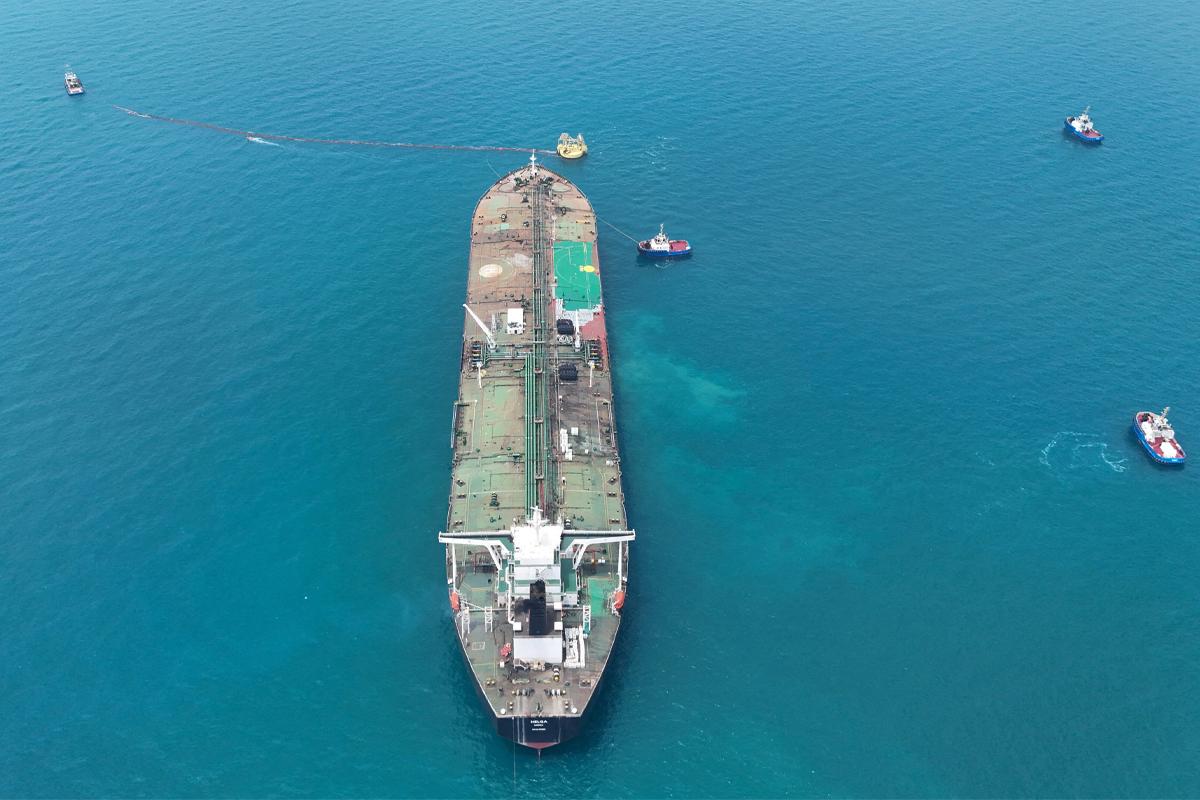
Middle Eastern nations are diversifying oil export routes to bypass the ongoing Strait of Hormuz crisis, according to TISCO Economic Strategy Unit.
According to a report by Prachachat Business citing the TISCO Economic Strategy Unit, Middle Eastern countries are actively seeking alternative export routes for their oil. This strategic shift comes as the crisis surrounding the Strait of Hormuz remains unresolved, with no immediate signs of a conclusion.
For residents and travelers in Thailand, this development is significant due to the country's reliance on imported energy. While the immediate impact on local fuel prices or supply chains is not explicitly detailed, the ongoing instability in a critical global energy chokepoint suggests potential volatility in energy markets. Any disruption to the flow of oil through the Strait of Hormuz historically influences global oil prices, which directly affects the cost of living and transportation expenses within Thailand.
At this stage, the long-term effectiveness of these new export routes remains to be confirmed. Furthermore, it is unclear how these logistical adjustments will influence the global supply-demand balance or the specific pricing structures for energy imports in Southeast Asia. Observers are monitoring the situation to see if these alternative routes can sufficiently mitigate the risks posed by the prolonged regional tensions.