Economy
US Federal Reserve Raises Interest Rates Amid Inflation Concerns
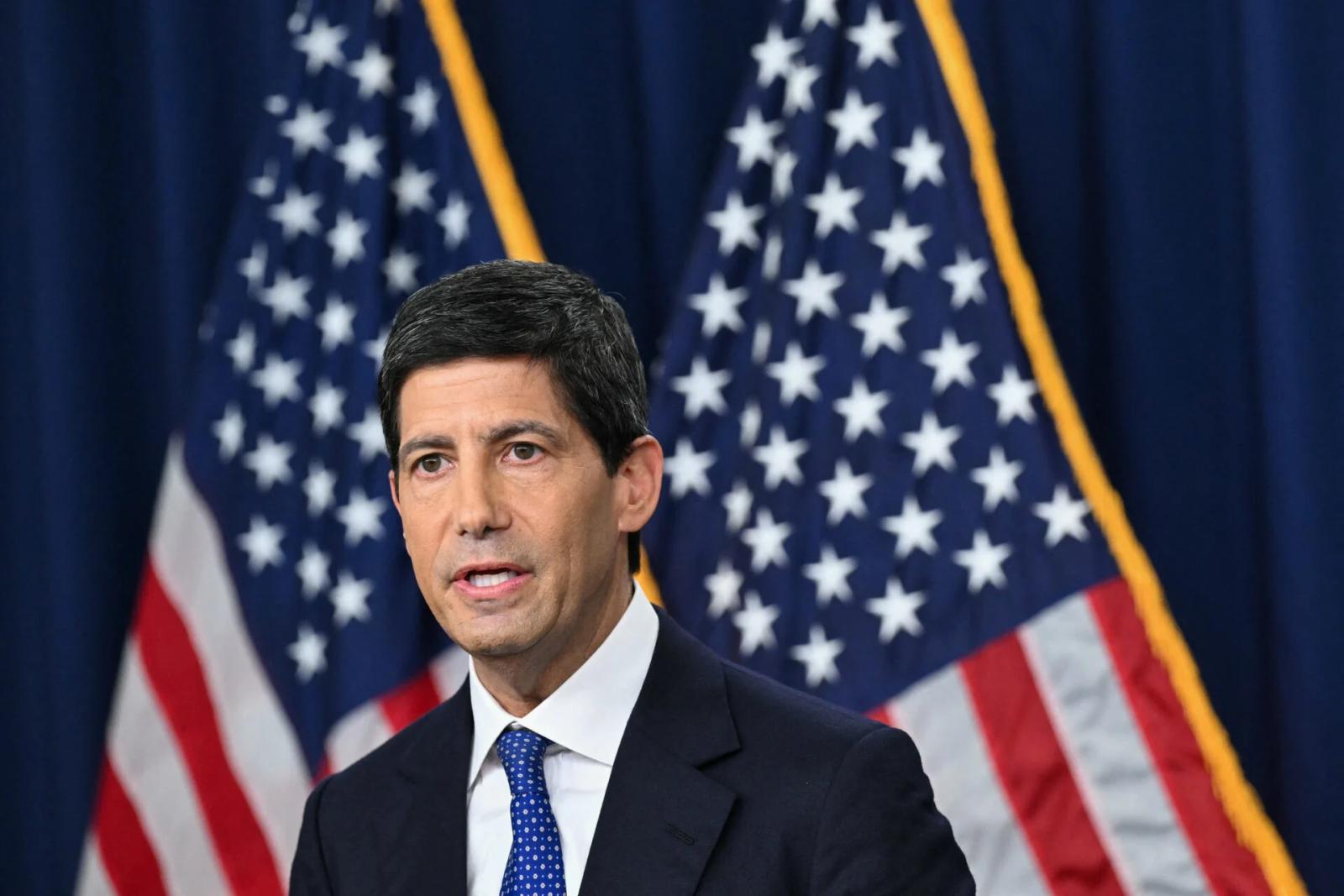
The US Federal Reserve has implemented an interest rate hike to combat inflation, drawing criticism from Donald Trump.
According to a report by Thai Post on September 17, 2026, the United States Federal Reserve has officially raised interest rates for the first time in the current cycle. This monetary policy adjustment is aimed at curbing persistent inflationary pressures within the American economy.
The decision has sparked immediate political friction, with Donald Trump expressing public dissatisfaction. Trump has advocated for a reduction in rates, signaling a potential clash between political leadership and the central bank's independent monetary strategy.
For travelers and expatriates in Thailand, this development is significant as it may influence the strength of the US Dollar against the Thai Baht. Fluctuations in the exchange rate can directly impact the purchasing power of those holding USD or those who rely on remittances and international transfers. Furthermore, global interest rate hikes often lead to broader market volatility, which can affect the cost of travel and the general economic climate in Southeast Asia.
At this stage, it remains to be confirmed how long this high-interest-rate environment will persist and whether the Federal Reserve will continue to tighten policy in subsequent meetings. Observers are waiting to see if the political pressure from Trump will have any tangible impact on the central bank's future decision-making process.