Culture
Exploring the 300-Year History of Wat Chulamani in Amphawa
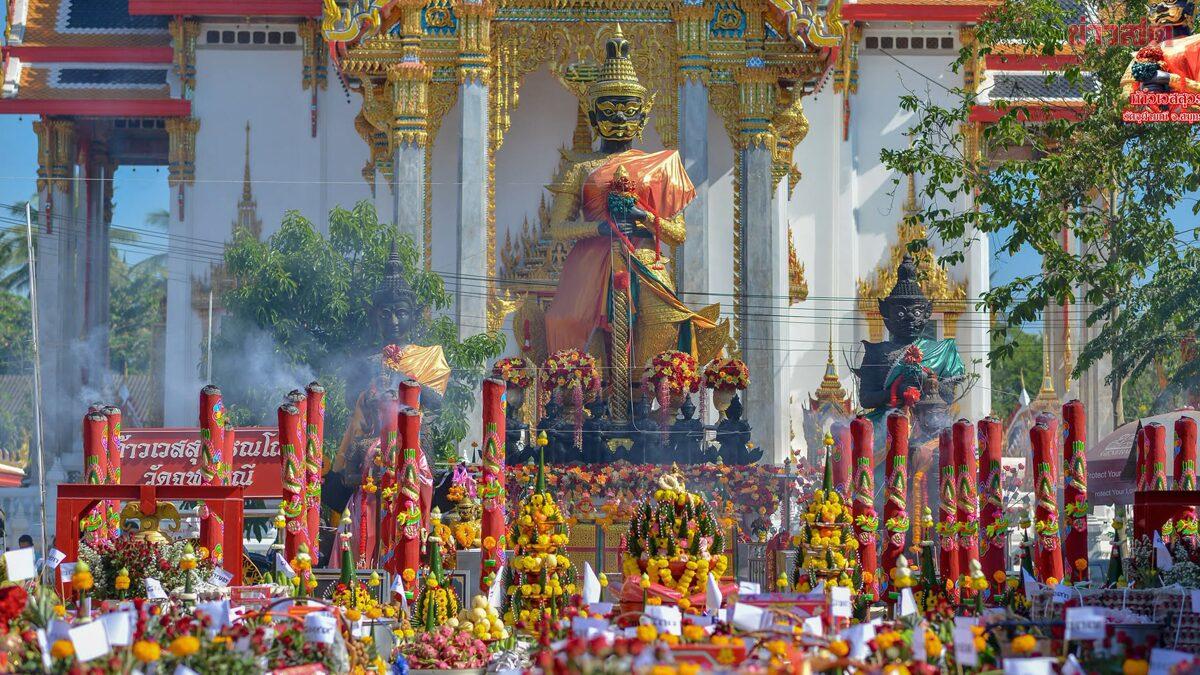
A look at the historical significance and cultural appeal of Wat Chulamani in Samut Songkhram, a site renowned for its ancient roots and devotion to Thao Wessuwan.
According to a report by Khaosod Online Thailand, Wat Chulamani in Amphawa, Samut Songkhram, has emerged as a significant destination for those interested in Thai history and spiritual tourism. With a legacy spanning approximately 300 years, the temple dates back to the late Ayutthaya period, specifically between 1629 and 1647. Originally known as 'Wat Mae Chao Thip,' it was reportedly founded by Thao Kaeo Phuek, a daughter of the Bang Chang market official.
For travelers visiting the nearby Amphawa Floating Market, the temple offers a glimpse into centuries of religious architecture and local heritage. The site has undergone various transformations, including a period of decline where it nearly became abandoned following the tenure of its second abbot. It was later revitalized by Luang Pho Chaem from Wat Bang Ka Phom. In 1967, under the leadership of the late abbot Luang Pho Nueang Kowito, the construction of a new ordination hall began, marking a modern chapter in the temple's development.
Today, the temple is widely recognized as a center for devotees, particularly those seeking to pay respects to the deity Thao Wessuwan. While the temple’s historical timeline is well-documented, visitors should note that specific details regarding ongoing restoration projects or current temple regulations may vary. It remains a prominent landmark for those seeking cultural enrichment in the Samut Songkhram province.