
Travel
Learning Thai Cuisine: Cooking Classes, Costs, and the Culinary Training Visa Route
Last reviewed: 2026-07-19
Written by Ricardo Dos Santos
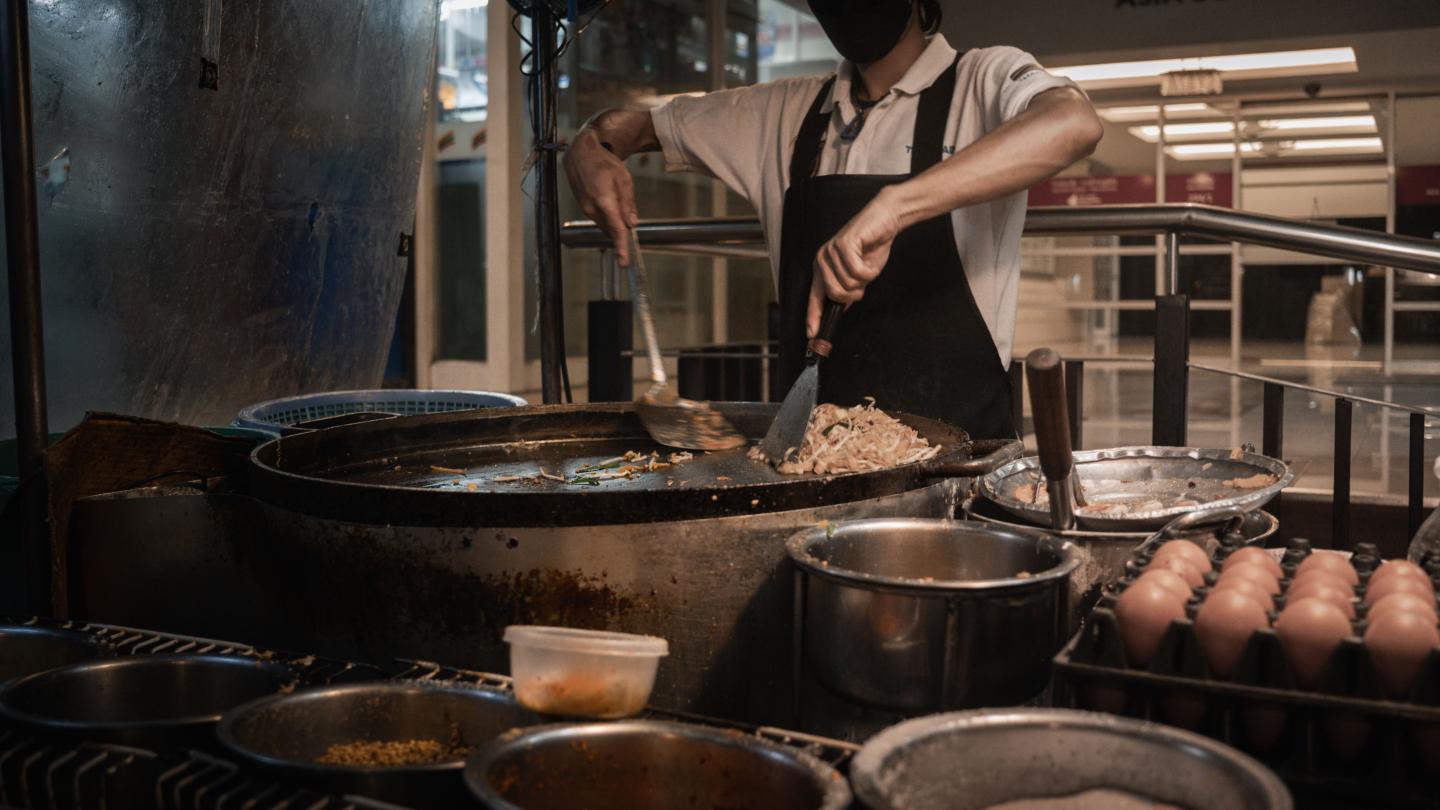
From a relaxed afternoon stir-frying pad thai to structured, multi-week culinary programs that can support a Non-Immigrant ED visa: how Thailand's cooking-class scene actually works, region by region, dish by dish.
Thai food is one of the main reasons people fall in love with the country, and for a growing number of travellers, eating it isn't enough — they want to learn how it's made. Thailand has built a genuine cooking-class industry around that curiosity, running from a single relaxed afternoon in a hotel kitchen to structured, multi-week culinary programs that can anchor a long stay in the country. This guide walks through why Thai cuisine rewards the effort, what a class actually looks like, what it costs, where the country's cooking-school scene concentrates, and — for anyone thinking well beyond a holiday souvenir — how a genuine culinary education can connect to Thailand's Non-Immigrant "ED" (education) visa.
Why Thai cuisine is worth learning
Thai food is often flattened into a handful of export dishes — pad thai, green curry, tom yum — but the cuisine actually eaten across the country is far more regionally distinct than that shortlist suggests. Central Thai cooking, the style most familiar internationally, balances sweet, sour, salty, and spicy in the same dish, often within a single bite, using palm sugar, tamarind, fish sauce, and fresh chillies in careful proportion. Northern (Lanna) cuisine, centred on Chiang Mai and the old kingdoms around it, is generally milder and more herbal, built around dishes like khao soi (a curried noodle soup with Burmese and Yunnanese influence), sai ua (herb-packed grilled sausage), and nam prik varieties eaten with sticky rice and raw or blanched vegetables. Northeastern (Isaan) food, closely tied to neighbouring Laos, leans sour, funky, and fiery — som tam (green papaya salad), larb (minced meat salad with toasted rice powder), and grilled meats built around fermented fish sauce (pla ra) rather than the milder fish sauce used elsewhere. Southern Thai cuisine, shaped by the peninsula's Malay and Muslim influence and its access to seafood, is typically the spiciest and most turmeric-forward of the four, seen in dishes like gaeng tai pla and khao yam.
What ties these regional cuisines together, more than any single flavour, is technique: a reliance on fresh herbs and aromatics — galangal, lemongrass, kaffir lime leaf, Thai basil, cilantro root — pounded rather than simply chopped, and a cook's instinct for balancing the four core tastes against each other rather than following a fixed recipe. That instinct is genuinely difficult to pick up from a cookbook alone, which is exactly why hands-on classes have become so popular: they teach the logic of Thai cooking, not just a list of steps.
What a typical cooking class looks like
"Thai cooking class" covers a wide range of actual experiences, and it's worth knowing the differences before booking one.
Format. The most common option is a half-day class, usually three to four hours, held either at a dedicated cooking school, a hotel kitchen, or a home-style setup run by a local family. Full-day classes extend this with a market tour at the start — walking through a fresh or wet market with an instructor who explains unfamiliar herbs, curry pastes, and produce before you cook with them — and sometimes cover a longer menu or an additional cooking technique, such as making your own curry paste from scratch with a mortar and pestle rather than using a pre-made one.
Kitchen-only versus market-inclusive. Kitchen-only classes save time and are more predictable (useful if you're short on a day), but market-inclusive classes are widely considered the more rewarding introduction to Thai food culture, since they show where ingredients actually come from and why Thai cooks choose particular vegetables, herbs, or cuts of meat. Chiang Mai in particular is well known for this market-to-table style of class, often built around one of the city's produce or morning markets.
Skill level. Casual one-off classes assume no prior cooking experience and are designed for tourists fitting a few hours into an itinerary — they typically walk small groups through four or five classic dishes with a lot of hands-on guidance. At the other end, structured multi-week courses and professional culinary-school programs are aimed at people who want a real qualification: proper knife skills, food-safety training, menu planning, and enough repetition to actually retain technique, not just a pleasant afternoon.
Typical costs. As a general market range rather than a fixed quote — prices vary by city, venue, and inclusions — a single half-day tourist class in Thailand commonly runs somewhere in the order of 800 to 1,800 THB per person, with market-inclusive or full-day classes often landing in a 1,500 to 3,000+ THB range. Private classes, small-group premium formats, or classes at higher-end hotels can run well above that. Multi-week or longer structured culinary programs, by contrast, are priced more like a course than an activity — costs can run from the tens of thousands of THB up into six figures (THB) depending on the institution, program length, and whether it leads to a recognized culinary qualification. Always confirm current pricing directly with the school; these are rough orientation figures, not quotes.
Where cooking schools concentrate
Thailand's cooking-class scene isn't spread evenly across the country — it concentrates in a handful of well-established hubs. Bangkok has the largest and most varied offering, from budget-friendly group classes to high-end culinary institutes, reflecting the capital's size and its role as the country's main hospitality and culinary-training centre. Chiang Mai is particularly well known for market-to-table style classes and home-style, family-run schools, helped by its strong food culture and relatively relaxed pace. Phuket and Koh Samui are also commonly cited hubs, largely because of their concentration of resorts and hotels that run cooking classes as part of a broader guest-activity offering, often with a stronger seafood focus given their coastal setting. This guide deliberately doesn't name or link to individual commercial schools — treat any specific business you find through your own research the same way you would any other tourism operator: check recent reviews, confirm what's actually included, and compare a few options before booking.
What to expect, and how to prepare
A typical class starts with introductions and a rundown of the day's menu, followed either directly by cooking or by a market walk first. Expect hands-on cooking rather than pure demonstration at nearly all tourist-facing classes — you'll be at your own wok or station for most dishes, with the instructor circulating to correct technique, not cooking for you while you watch. Most schools provide a printed or digital recipe booklet to take home, and some include a small take-home kit of curry paste or spices you made during the class.
Dietary needs. Vegetarian, vegan, and allergy-conscious adaptations are generally well accommodated in Thailand's cooking-class industry, since many core techniques (stir-frying, curry-making, salads) adapt naturally to substituting tofu or vegetables for meat and swapping fish sauce for a soy-based alternative. That said, "generally accommodated" is not a guarantee for any specific school or dish — confirm your dietary requirements directly with the school before booking, especially for serious allergies (shellfish and peanuts in particular), since shared kitchen equipment and pastes made in bulk can carry cross-contamination risk even when a substitute ingredient is used in your own dish.
Hygiene and food safety. Reputable cooking schools that cater to tourists generally follow standard commercial kitchen hygiene practices — you should expect a clean, organized kitchen, properly stored ingredients, and an instructor who handles raw meat and produce separately. As with any food-related activity anywhere in the world, it's reasonable to use ordinary judgment: a well-reviewed, established operation with a real kitchen setup is a safer bet than an ad hoc arrangement with no visible standards. If a market tour is included, the same general food-safety awareness travellers already apply to Thai street food and market stalls applies there too.
From hobby to qualification: the culinary training visa route
A one-day or half-day cooking class is a tourist activity, not a course of study, and it does not qualify anyone for any Thai visa — that distinction matters and is worth stating plainly before going further. But Thailand's cooking-school sector also includes a genuinely different tier: structured, longer-term culinary programs run by registered vocational or culinary institutes, some of which lead to a recognized professional qualification. Much like Thailand's well-established Thai-language schools, some of these institutes are registered in a way that allows them to support a student's application for a Thai Non-Immigrant "ED" (education) visa, provided the applicant is genuinely enrolled in a substantial course of study rather than using enrollment as a formality.
The mechanics broadly mirror any other Thai education visa route: the institute must be properly registered with the relevant Thai education authority for the purpose of sponsoring foreign students, the applicant needs a genuine offer or acceptance letter and an actual curriculum with defined class hours, and — once in the country — real attendance and progress requirements apply, since Thai immigration can and does check that ED-visa holders are actually attending their course, not simply holding paperwork. This is materially different from, and should never be confused with, a short tourist cooking class, which carries no visa eligibility of any kind regardless of how many classes are booked in sequence.
The same due-diligence rules that apply to any Thai study-visa route apply here. Before committing time, tuition, or a visa application to a culinary program:
- Verify the institute's registration independently. Confirm the school is registered with the appropriate Thai authority for the specific purpose of sponsoring student visas — don't rely solely on the school's own marketing claim that it "does ED visas."
- Confirm the real curriculum and attendance requirements in writing. A legitimate program will be able to tell you exactly how many class hours per week are required, what the course actually covers, and what happens if attendance drops.
- Be cautious of any provider whose main pitch is the visa itself. This is the same visa-mill pattern that affects language schools: an operator that leads with "get a long-stay visa" rather than "learn professional Thai cooking," offers suspiciously minimal or no real class time, or promises the visa with little or no attendance, is a red flag worth taking seriously — both because it risks the applicant's immigration status and because it undermines genuine culinary institutes doing the work properly.
- Treat it as immigration law, not a booking detail. Visa rules, registration requirements, and enforcement practices can change; confirm current requirements with the institute and, ideally, independently through official Thai government sources or a qualified immigration adviser before relying on any program to support a visa application.
For most visitors, the destination is simple: a single class, or a short series of them, is a memorable, hands-on way to understand Thai food from the inside — no visa considerations involved. For the smaller number of people considering Thailand as a place to seriously study cooking over months rather than hours, the ED-visa route exists and is real, but it demands the same care, verification, and healthy scepticism as any other long-term study-visa decision.