
Travel
Sangkhlaburi: the wooden bridge, the sunken temple, and Thailand's forgotten Myanmar border
Last reviewed: 2026-07-18
Written by Ricardo Dos Santos
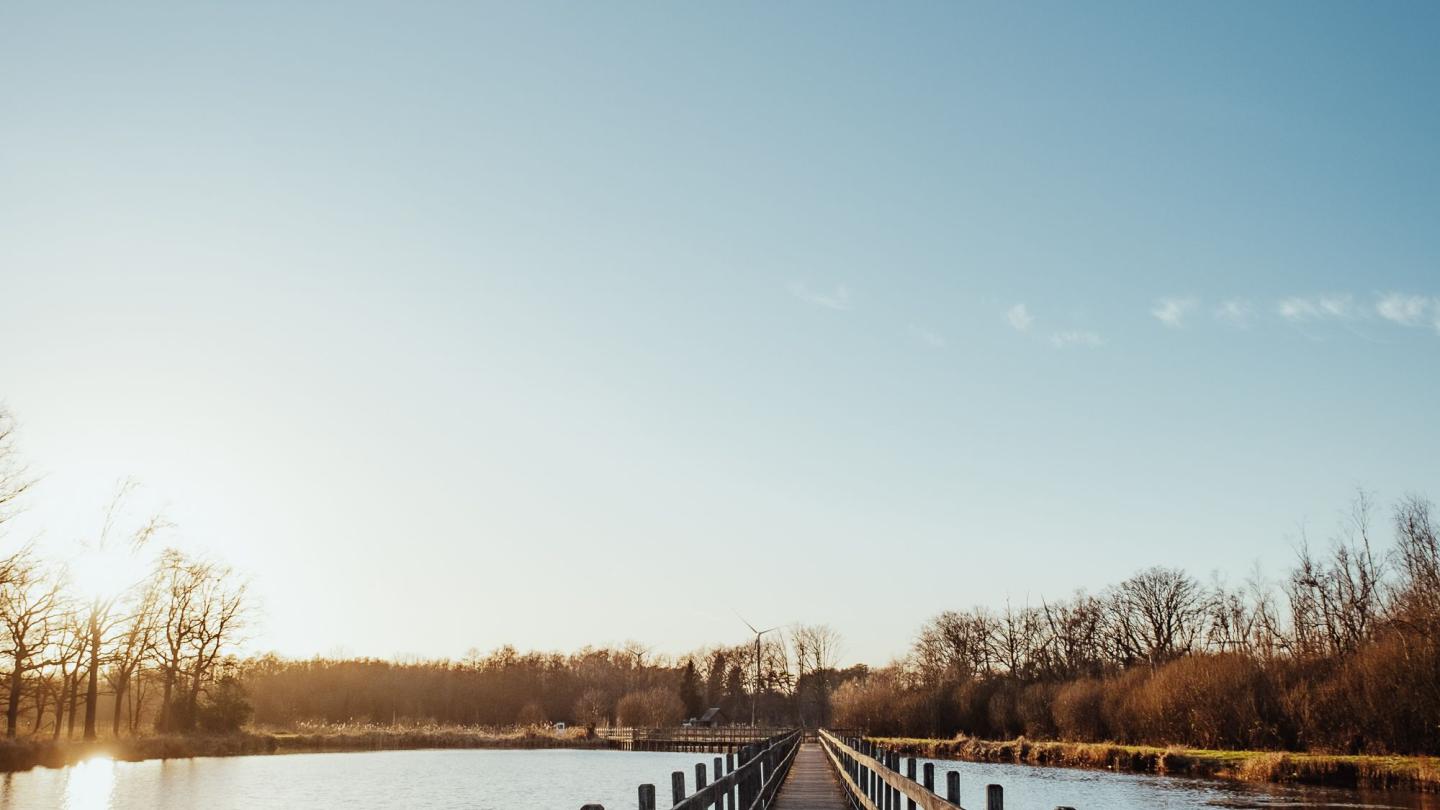
At Thailand's western edge, a Mon wooden bridge, a temple drowned by a dam, and a refugee community make up one of the country's least-known corners.
The end of the road, literally
Sangkhlaburi sits at the far end of Route 323, less than ten kilometres from the Myanmar border, in Kanchanaburi province — roughly five to six hours' drive from Bangkok, which is exactly why the town remains largely absent from organised tours that stop at the much closer River Kwai Bridge. It isn't a transit stop or a logical waypoint on a standard route: you come to Sangkhlaburi on purpose, not in passing.
Thailand's longest wooden bridge
Saphan Mon, usually just called the "wooden bridge" (Mon Bridge), stretches roughly 400 metres across the Vajiralongkorn reservoir, connecting the Thai town to a district populated mostly by Mon refugees, a Burmese ethnic minority settled here since the 1980s. Built without a single metal nail using traditional methods, the bridge is best crossed at dawn to watch Mon monks receive morning alms, a daily ritual that plays out directly on the wooden planks, a world away from the tourist protocol at the River Kwai Bridge.
Wat Sam Prasop, the temple the dam drowned
Below the bridge, when the reservoir drops low enough in dry season (usually March to May), the ruins of Wat Sam Prasop emerge from the water: this Buddhist temple was partly submerged when the Vajiralongkorn Dam was built in the 1980s, and its ghostly silhouette — reachable by small boat, and occasionally on foot when the water recedes completely — makes it one of the most unusual and least-photographed sites in the country. The rest of the year only the stupa's tip breaks the surface, a quiet, permanent reminder of what lies beneath.
A community at the border of three cultures
Sangkhlaburi holds a mixed population of Thai, Mon, and Karen residents alongside a significant Burmese refugee community, which shows up concretely in markets selling hand-woven Mon textiles, cooking influenced by neighbouring Myanmar, and temples blending architectural styles. The morning market near the town centre is worth the visit just to see this cultural mix play out with no particular tourist staging — it's an ordinary neighbourhood market that happens to be extraordinarily diverse.
Access, season, and pace
From Bangkok, the direct drive by car or rented minibus takes five to six hours; public buses from Kanchanaburi (itself about three hours from Bangkok) take longer but remain the cheapest option. Dry season (November to April) brings the best conditions, and March to May offers a real chance of seeing the sunken temple emerge; monsoon (June to October) raises water levels again and can make some back roads difficult. Two nights are usually enough for the dawn bridge crossing, the sunken temple depending on season, the morning market, and a boat ride on the reservoir — a deliberately slow pace that matches the place itself.