
Travel
Koh Samui: Hin Ta and Hin Yai as a coastal landscape stop
Last reviewed: 2026-07-16
Written by Ricardo Dos Santos
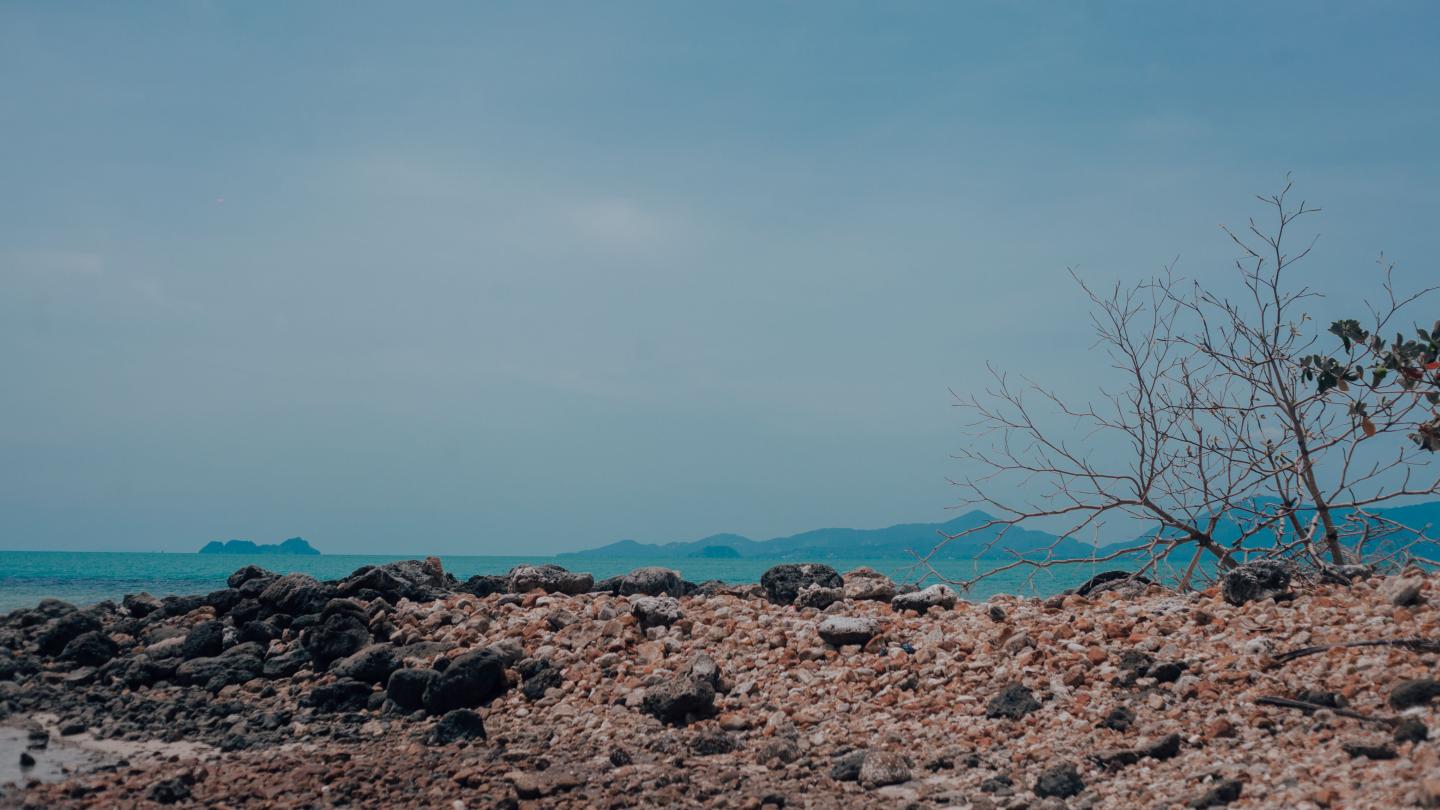
A restrained guide to Samui's distinctive coastal rock formations, with practical attention to footing, weather, local conduct and changing access.
A landscape with a story attached before it has a sign
At the southern end of Lamai Beach, a short stretch of granite coast has been given names — Hin Ta ("Grandfather Rock") and Hin Yai ("Grandmother Rock") — that only make sense once you hear the shapes described: a standing stone pillar and, nearby, a cleft in a cliff face, positioned close enough together that generations of visitors have read them as a pair. The names came from folklore first; the tourist attraction came after.
The couple the rocks are said to be
The story told locally follows an elderly couple, named in the telling as Ta Kreng and Yai Riam (spellings vary across retellings), who set out by boat from Nakhon Si Thammarat toward Prachuap Khiri Khan to arrange their son's marriage to the daughter of a man called Ta Monglai. A storm wrecked the boat off this stretch of coast, and both drowned. In the folk version, their bodies washed ashore and were transformed into the two rocks — a testament, the story goes, to how far they had been willing to travel for their son's wedding. The rocks are treated today as fertility and love symbols; small offerings are still left near them.
What actually shaped the stone
Strip away the legend and the geology is more mundane but still worth knowing: both formations are granite, worn into their current shapes by long-term erosion from sea spray, wind and sun rather than by any single dramatic event. Hin Ta is a freestanding granite pillar; Hin Yai is best understood as a weathered cleft or cavity in a coastal rock face, carved out by wave action over an extended period. It is the pairing of the two distinct forms, standing stone and hollowed cliff, that produced the resemblance the names describe — geology arriving, by coincidence, at a shape that folklore was ready to explain.
Visiting without overselling it
Access is free, and the site sits within Hat Lamai in Tambon Maret, close to the southern end of Lamai's beach strip — near enough to the town's main tourist area that most visitors combine it with a walk along the beach road rather than treating it as a separate excursion. A line of vendor stalls along the approach path sells coconut-wood carvings, bracelets and beachwear, which tells you this has been a stop on the tourist circuit for some time, even if no source pins down exactly when it became one.
What to actually expect on the ground
Published hours run roughly 8am to 6pm. Beyond that, be honest with yourself about what isn't well documented: there is no reliable published figure for walking time from central Lamai, and no consistent guidance on whether low or high tide makes for a better view — conditions along this stretch of granite shoreline shift with both the season and the swell, so the more useful approach is to check current local conditions on arrival rather than plan around a number nobody can actually confirm in advance.
A stop, not a headline event
Hin Ta and Hin Yai reward a modest amount of time — most visitors spend well under an hour here — and work best as one stop within a longer walk along Lamai's coastline rather than a destination that justifies a trip on its own. The rocks are unusual enough to be worth the short detour; the surrounding stalls and the beach itself are what make the stop feel worthwhile rather than merely photographed and left.