
Cost of Living
Why Holidays Feel Cheap but Living Long-Term Costs More in Thailand 2026
Last reviewed: 2026-09-23
Written by Ricardo Dos Santos
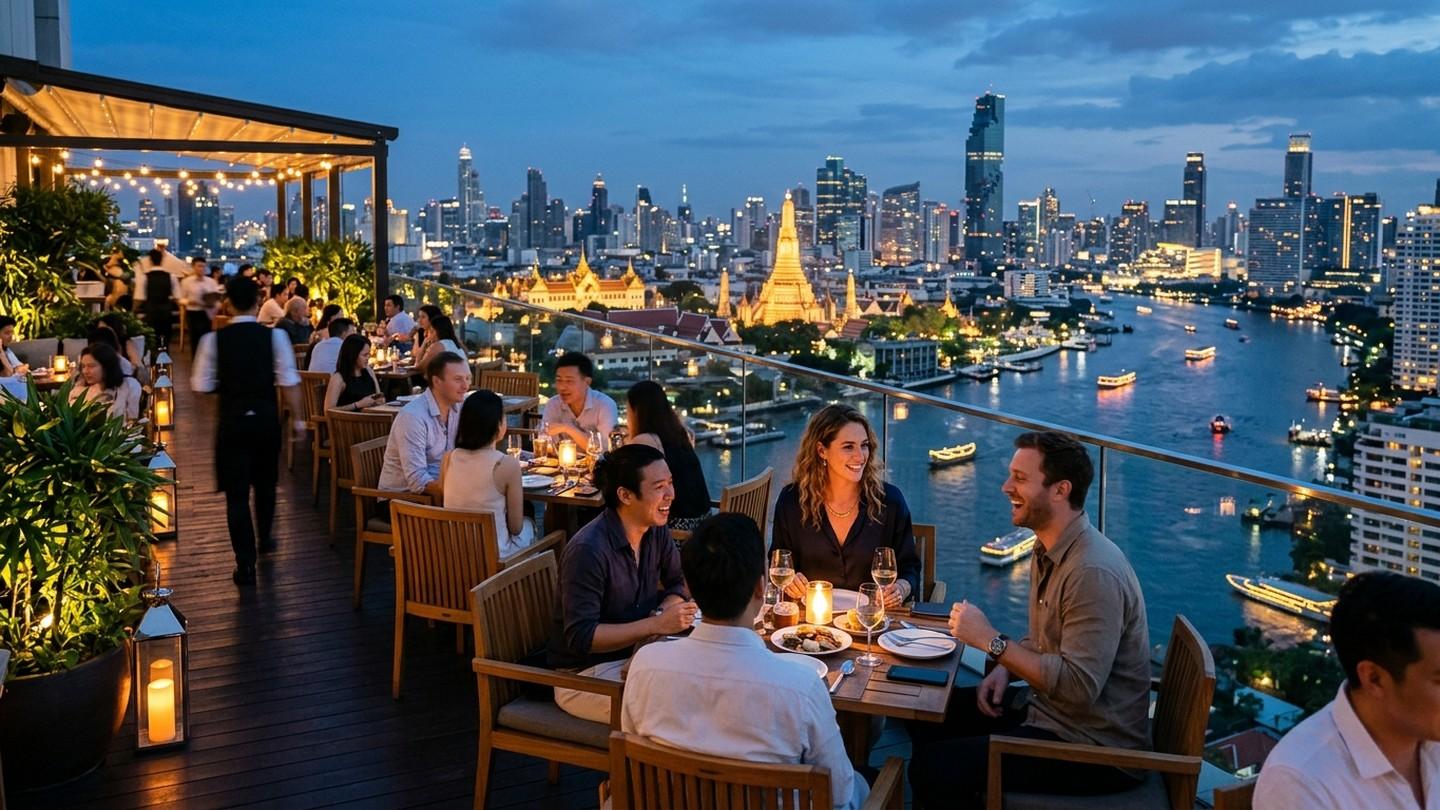
Deconstructing the vacation perception bias: how transition from temporary traveler to long-term resident reveals hidden recurring fixed costs.
Nearly every traveler spending three weeks in Thailand leaves with the same conviction: with $9 Thai massages, $2 street food dishes, and charming hotel rooms for $35/night, living here full-time must cost virtually nothing. Yet once settled as a permanent resident, the financial equation shifts dramatically.
1. The Vacation Perception Bias
During a short vacation, travelers only encounter marginal variable expenses. They bypass all structural overheads that define long-term expat life:
- No annual comprehensive international health insurance policies ($1,500–$4,500/year).
- No continuous electricity bills for daily air conditioning ($100–$200/month).
- No annual visa maintenance fees, legal paperwork, or blocked bank deposits.
- No vehicle depreciation, maintenance, or tropical appliance wear-and-tear.
2. Comparison Table: Vacationer vs. Long-Term Resident Costs
| Expense Area | Vacationer Experience (2 Weeks) | Resident Reality (Annual Basis) |
|---|---|---|
| Housing | Hotels/Airbnb with daily housekeeping and electricity included | 12-month lease, 2-month deposit, separate electricity billing |
| Healthcare | Basic travel insurance bundled with credit card | Full comprehensive inpatient/outpatient policy with high guarantees |
| Food & Dining | Exciting street food discoveries at every meal | Routine home cooking, cravings for imported Western comfort foods |
| Mobility | Casual Grab rides, tuk-tuks, and airport transfers | Owning/leasing a motorbike or car, insurance, and DLT driving license |
| Legal Status | Free 60-day visa exemption stamp at immigration | Locked funds in Thai bank (400k–800k THB), 90-day reports, visa renewals |
3. The Three Pitfalls of the "Endless Holiday" Mindset
- Daily Entertainment Spending: Dining out at Western bistros and beach clubs every evening quickly matches European or US expense levels.
- Skipping Health Coverage: Operating without comprehensive medical insurance leads to catastrophe if an intensive care hospitalisation is required.
- Ignoring Apartment Orientation: Renting top-floor units facing west dramatically increases cooling costs.
4. Frequently Asked Questions (FAQ)
Why are imported Western groceries heavily taxed in Thailand?
Thailand levies protective import tariffs on foreign agricultural and luxury goods, especially dairy products, processed meats, and alcoholic beverages.
Can an expat still maintain a low budget long term?
Yes, by adopting a predominantly local lifestyle: provincial housing, traditional fresh market cooking, and local community amenities.