
Travel
Thailand's secret islands: journeys to the archipelagos tourism hasn't found yet
Last reviewed: 2026-07-18
Written by Ricardo Dos Santos
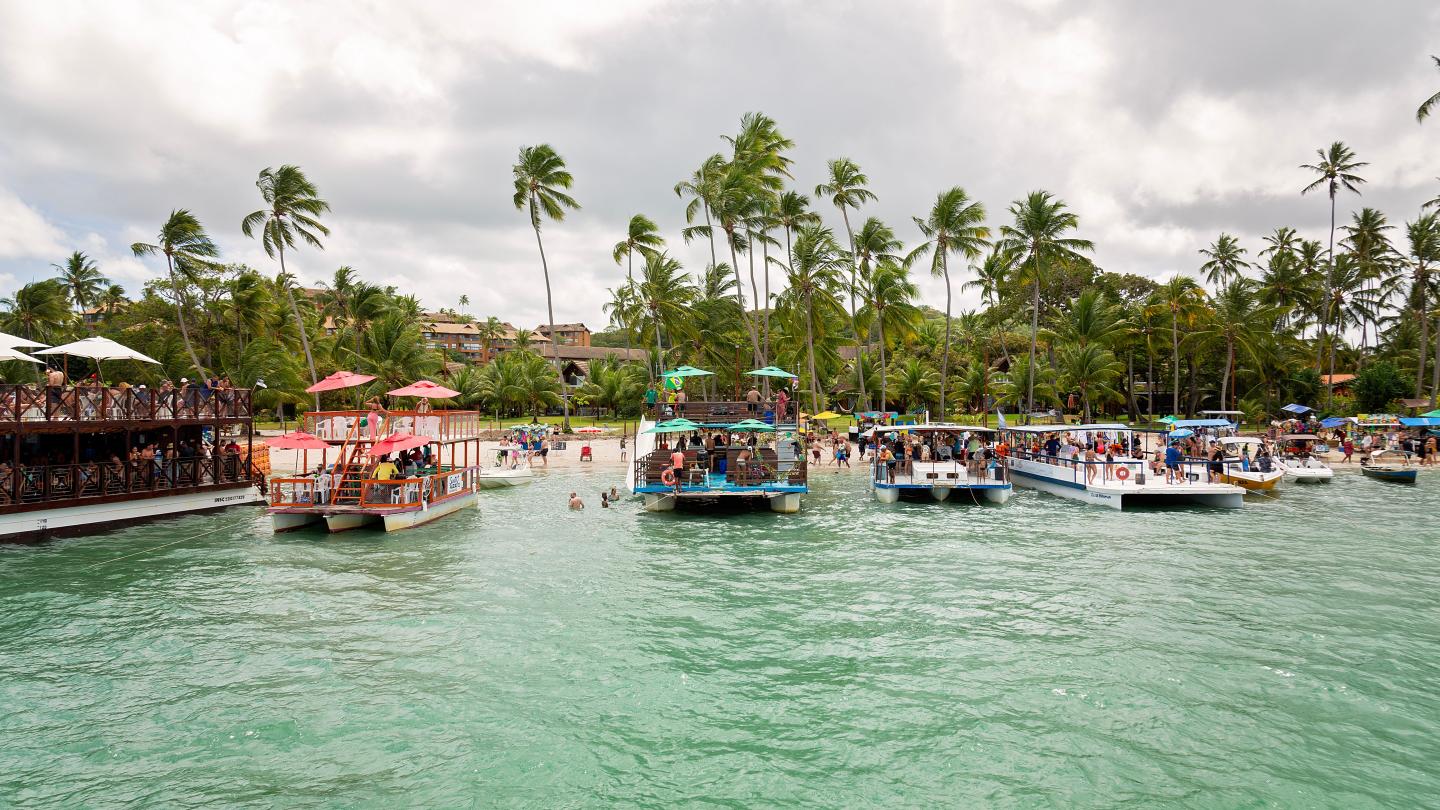
Koh Mak without scooters, Koh Kood without high-rises, Koh Jum without a schedule: five islands where Thailand still runs on fishermen's time, not sunbed time.
The moment Thailand goes quiet again
There is a precise instant, on the ferry leaving Laem Ngop for Koh Mak, when the noise stops. Trat's scooters fade, the 7-Eleven signs disappear with the coastline, and all that remains is the diesel engine's chug and the smell of salt and rubber — Koh Mak still runs on rubber plantations as much as on its beaches. That shift, more than any postcard beach, is what travellers looking beyond Phuket and Koh Samui are actually chasing: a place Thailand hasn't yet staged for them.
These islands genuinely exist, and none require a heroic expedition to reach. What they require is giving up the ease of a direct flight and a big resort, and accepting that a ferry runs on its own schedule, that the internet connection will sometimes be unreliable, and that dinner might depend on what the fishing boat brought in that morning.
Koh Mak: the island that said no to scooters
Koh Mak, in the Trat archipelago, is largely governed by two families who have farmed rubber and coconut here for generations, and who collectively decided, more than twenty years ago, to cap tourism development. The practical result: no nightclubs, transport limited mostly to bicycles and a handful of electric songthaews, and beaches — Ao Suan Yai, Ao Kao — that stay quiet even during the December peak. You can cycle across the entire island in about an hour, which tells you everything about its real scale.
The best window runs November to April, ideally avoiding the very first weeks of December when Thai families arrive for New Year. Crossings run by speedboat from Laem Ngop (about an hour) or by slower ferry from the same pier, itself reached by overnight bus or a short flight from Bangkok to Trat. There is no airport on the island — that is precisely what protects it.
Koh Kood: the last big island that never over-built
Further south, Koh Kood (also spelled Ko Kut) is Thailand's second-largest island after Phuket, yet holds a fraction of its population and a tenth of its visitors. Roads are only paved along part of the island's loop; the rest is negotiated by rented pickup or 4x4. Klong Chao waterfall, reached by a shaded trail from the village of the same name, is still visited without a queue on weekdays, and the turquoise waters of Ao Bang Bao shelter a stilted fishing village that still functions as a working harbour, not as a stage set.
The island connects by direct ferry from Trat (about 1.5 hours) or a bus-boat combination from Bangkok arranged by most accommodations. High season, November to April, is dependable; monsoon (June to October) closes some services and can make crossings rough for smaller boats — a genuine planning factor, not a footnote.
Koh Phayam: the Andaman Sea without the Phuket crowds
On the opposite coast, off Ranong in the Andaman Sea, Koh Phayam stays off the radar largely because it doesn't fit neatly into a standard southern Thailand loop — which is exactly what preserves its character. Coconut groves still anchor the local economy, wild pigs occasionally cross the island's few unpaved roads, and Ao Yai, its main beach, stretches nearly three kilometres with almost no permanent construction.
Access is by boat from Ranong port, itself reached from Bangkok by direct flight (75 minutes) or overnight bus. Dry season (November to April) is by far the most reliable window; monsoon hits the Andaman coast particularly hard.
Koh Yao Noi and Koh Jum: a world apart between Phuket and Krabi
Wedged literally between the south's two busiest tourist hubs — Phuket and Krabi — Koh Yao Noi and Koh Jum prove an island can be geographically central while staying culturally apart. Both are majority-Muslim, live on fishing and small rubber holdings, and effectively keep alcohol out of daily life outside a few visitor-oriented spots — a cultural fact to respect, not a friction to route around.
Koh Yao Noi offers direct views of Phang Nga Bay's famous limestone karsts without ever becoming a saturated postcard set itself; kayaks rent easily for dawn mangrove exploration, when low light carves the cliffs into sharp relief. Koh Jum, smaller and rougher around the edges, has only a handful of beachfront bungalows and an interior road still partly unpaved — it takes effort to reach, but rewards with near-total quiet outside peak months.
Travelling these islands without unbalancing them
What protects these destinations isn't geographic luck: it's a combination of deliberately limited access, local economies that don't depend solely on tourism, and planning decisions that have refused large-capacity hotels. A visitor who wants that balance to last will favour family-run guesthouses over international chains, won't push for infrastructure that isn't there (round-the-clock air conditioning, guaranteed high-speed wifi), and will accept that power sometimes cuts out at night on the smaller islands.
Booking full board with a local family, renting a bicycle instead of a noisy scooter, eating at village food stalls rather than the handful of internationally-styled restaurants — these are simple choices, and over time they are the difference between visiting a quiet island and slowly turning it into the next saturated one.