Skip to content
BETA
Sign in Start

Menu

Account

Language

Thailand News

Understand what is happening in Thailand.

Daily verified news that matters in Thailand.

Filters

Topics
Clear all

7 609 stories

Economy

Page 4 of 423

Yesterday 8 November

  1. Economy

    ITC Targets $1 Billion Revenue Through Pet Longevity Innovation

    Global pet food manufacturer ITC is leveraging R&D from its i-Cattery facility to expand into the pet supplement market, aiming for $1 billion in revenue.

    Prachachat Business One source

  2. Economy

    Thai Rice Farmers Face Rising Costs and Price Declines

    Rising fuel costs have significantly increased harvesting expenses for Thai rice farmers, while an expected surge in supply threatens to lower market prices.

    Prachachat Business One source

  3. Economy

    The Shift Toward Skill-Based Organizations in Thailand

    A recent column in Prachachat Business explores the transition from job-based to skill-based organizational structures in Thailand.

    Prachachat Business One source

  4. Economy

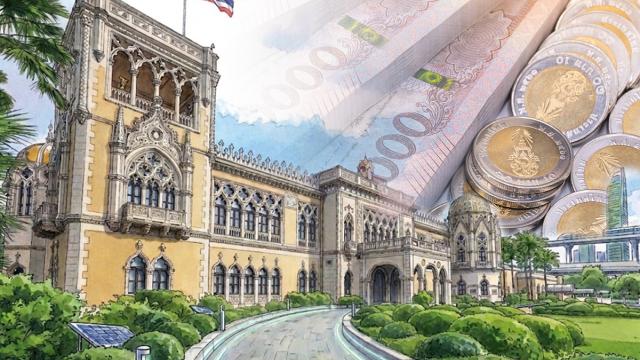
    Thailand Proposes 3.82 Trillion Baht Budget Amid Global Challenges

    The Thai government is restructuring its 3.82 trillion baht budget to address fiscal deficits and global economic pressures.
    Prachachat Business One source

  5. Economy

    SC Asset Targets Bang Pho for New Waterfront Real Estate Development

    Real estate developer SC Asset is shifting its focus to the Bang Pho area, capitalizing on the potential of the upcoming Kiak Kai Bridge project.

    Prachachat Business One source

  6. Economy

    Bitcoin Price Sees Minor Decline on November 8, 2026

    Bitcoin experienced a slight dip of 0.08% over the last 24 hours, trading at $75,723 as of early morning reports.

    Prachachat Business One source

  7. Economy

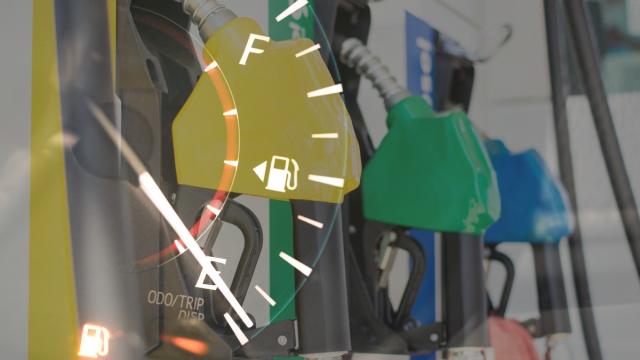
    Thailand Fuel Prices Update: November 8, 2026

    Current retail fuel prices at Bangchak service stations in Thailand as of November 8, 2026.
    Prachachat Business One source

  8. Economy

    Thailand Welcomes New Tech Investments Amid Fiscal Concerns

    Prime Minister Paetongtarn Shinawatra has highlighted significant foreign investment interest in Thailand, including from Google, while economic analysts raise questions regarding long-term fiscal stability.

    Matichon Online One source

  9. Economy

    TDRI Warns Rising Inflation May Weaken Thailand's Economic Stimulus Capacity

    The Thailand Development Research Institute (TDRI) has expressed concerns that high inflation is eroding consumer purchasing power, potentially limiting the government's ability to implement further economic stimulus measures.

    Matichon Online One source

  10. Economy

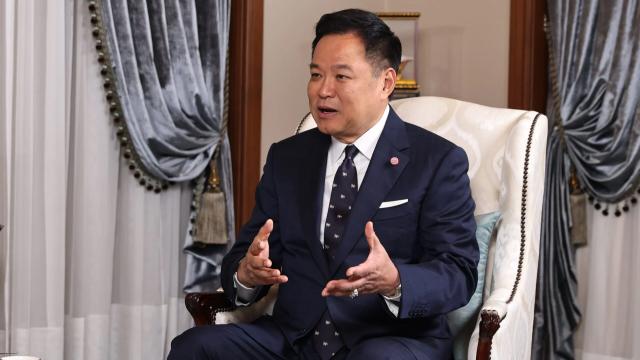
    Google Invests 200 Billion Baht in Thailand

    Google has committed 200 billion baht to Thailand, with officials highlighting the country's growth potential and infrastructure as key factors.
    Thai Post One source

Saturday 7 November

  1. Economy

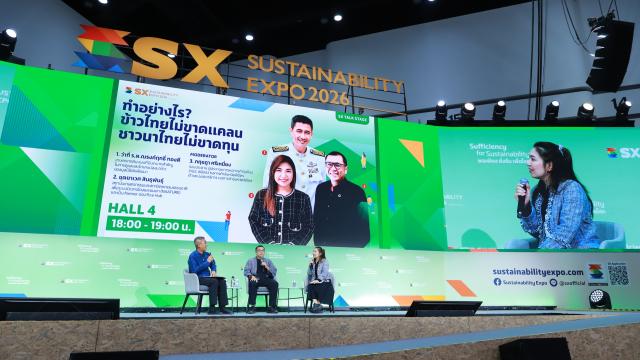
    SX2026 Highlights New Strategies for Thai Rice Farmers

    The SX2026 event featured discussions on sustainable solutions for Thai rice farmers, focusing on cost reduction, debt management, and market innovation.
    Prachachat Business One source

  2. Economy

    Thai Industry Leaders and Government Officials Visit Japan to Strengthen Economic Ties

    The Federation of Thai Industries has joined a government delegation to Japan to discuss industrial integration and new market opportunities.

    Prachachat Business One source

  3. Economy

    Department of Internal Trade Promotes Local Markets for Loy Krathong

    The Department of Internal Trade is revitalizing local commerce through its 'Must-Visit Markets' and 'Trading Villages' initiatives, with special events planned for Loy Krathong.
    Matichon Online One source

  4. Economy

    Thai Government Launches Solar Energy Initiative for Households

    The Ministry of Finance has announced a new solar energy program providing financial support to one million households to reduce electricity costs and promote sustainable energy.
    Khaosod Online Thailand One source

  5. Economy

    Bank of Thailand to Regulate THB Stablecoins and Currency Exchange Businesses

    The Bank of Thailand plans to implement new regulations for THB-backed stablecoins by March 2027 and tighten oversight of currency exchange services to combat illicit financial activities.

    Prachachat Business One source

  6. Economy

    Thai Ministry of Finance Launches Solar Loan Initiative for Households

    The Thai Ministry of Finance has introduced a new loan program to support the installation of solar panels in one million households, offering a 2.5% interest rate through state-owned banks.
    Matichon Online One source

  7. Economy

    Srettha Thavisin Discusses Agricultural Economic Strategy

    Former Prime Minister Srettha Thavisin highlights the importance of data-driven decision-making to improve net income for Thai farmers.
    Prachachat Business One source

  8. Economy

    Thai Cabinet Approves New Excise Tax Structure for Electric Vehicles

    The Thai Cabinet has approved a new excise tax structure affecting imported BEV and REEV vehicles during a mobile meeting in Udon Thani.

    Prachachat Business One source

How this feed works

Every update from an active source is classified, translated into all SawaLife languages and published with its original source, exact timestamp and reliability score. Items confirmed by two independent publisher groups are highlighted.

SawaLife is not a news organisation. We classify and translate source material using automated processing and editorial controls; the original publication remains the authoritative context.

Economy

ITC Targets $1 Billion Revenue Through Pet Longevity Innovation

Prachachat Business One source

Global pet food manufacturer ITC is leveraging R&D from its i-Cattery facility to expand into the pet supplement market, aiming for $1 billion in revenue.

According to a report by Prachachat Business, i-Tail Corporation (ITC) is implementing a new strategic plan to navigate global economic fluctuations by focusing on 'Pet Longevity' nutrition. The company is utilizing research and development insights from its specialized 'i-Cattery' laboratory to drive innovation in the pet food sector. A key component of this strategy involves expanding into the pet supplement market, which the company expects will help it reach a revenue target of $1 billion. By positioning Thailand as a central hub in the global pet food supply chain, ITC aims to strengthen its competitive edge. For residents and those interested in Thailand's industrial landscape, this move highlights the country's growing role in high-value pet care manufacturing. While the company has set ambitious financial goals and is actively developing new product lines, the specific timeline for achieving the $1 billion revenue milestone and the full impact of these new supplements on the broader market remain to be confirmed as the company continues its expansion efforts.

Original source

One source

This update currently comes from one active source. Follow the original link for context.

Translated from Thai.

SawaLife is not a news organisation. We classify and translate source material using automated processing and editorial controls; the original publication remains the authoritative context.

Processed and checked: 08 November 2026, 02:10 UTC

Economy

Thai Rice Farmers Face Rising Costs and Price Declines

Prachachat Business One source

Rising fuel costs have significantly increased harvesting expenses for Thai rice farmers, while an expected surge in supply threatens to lower market prices.

According to a report by Prachachat Business, Thai rice farmers are currently facing severe financial pressure during the 2026-2027 main crop season. The primary driver of this hardship is a sharp increase in fuel prices, which has caused the cost of hiring combine harvesters to rise from 500-600 baht per rai to between 800 and 1,000 baht per rai. The President of the Thai Farmers and Agriculturists Association has expressed significant concern regarding the upcoming peak harvest period. As a large volume of rice is expected to enter the market by mid-November, there is a high risk that the price of jasmine rice will drop significantly due to the sudden supply glut and intense market competition. For residents and travellers, this situation highlights potential volatility in local agricultural markets and underscores the economic challenges currently impacting the rural sector. While the immediate impact on consumer prices remains to be seen, the combination of higher production costs and lower selling prices poses a substantial threat to the livelihoods of farmers. Further developments regarding government intervention or market stabilization measures are yet to be confirmed.

Original source

One source

This update currently comes from one active source. Follow the original link for context.

Translated from Thai.

SawaLife is not a news organisation. We classify and translate source material using automated processing and editorial controls; the original publication remains the authoritative context.

Processed and checked: 08 November 2026, 01:51 UTC

Economy

The Shift Toward Skill-Based Organizations in Thailand

Prachachat Business One source

A recent column in Prachachat Business explores the transition from job-based to skill-based organizational structures in Thailand.

In a recent opinion piece published by Prachachat Business, author Pitchapogee Saicheua discusses the evolving landscape of corporate management in Thailand. The article highlights a significant shift in organizational strategy, moving away from traditional job-based models toward skill-based frameworks. This transition is described as more than a simple update to job descriptions; it represents a fundamental change in how companies identify and leverage the hidden potential of their workforce. For residents and professionals working in Thailand, this trend suggests that employers may increasingly prioritize specific competencies and adaptable skill sets over static job titles. This shift could influence hiring practices, internal training programs, and career development paths within the Thai corporate sector. While the article provides a conceptual framework for this organizational evolution, it remains to be seen how widely these practices will be adopted across different industries. Further developments will likely depend on how individual companies integrate these strategies into their existing human resource policies. Readers interested in the future of the Thai labor market may find this shift toward skill-centric management a key area to monitor as businesses seek to enhance their operational efficiency and employee engagement.

Original source

One source

This update currently comes from one active source. Follow the original link for context.

Translated from Thai.

SawaLife is not a news organisation. We classify and translate source material using automated processing and editorial controls; the original publication remains the authoritative context.

Processed and checked: 08 November 2026, 01:10 UTC

Economy

Thailand Proposes 3.82 Trillion Baht Budget Amid Global Challenges

Prachachat Business One source

The Thai government is restructuring its 3.82 trillion baht budget to address fiscal deficits and global economic pressures.

According to a report by Prachachat Business, the Thai government is currently re-evaluating its national budget of 3.82 trillion baht. The administration faces a challenging fiscal environment where expenditures currently exceed revenues. This budgetary review is being conducted against a backdrop of significant global instability, including energy crises, rapid technological shifts, geopolitical tensions, and climate change impacts. The government aims to overhaul existing welfare programs and prioritize strategic investments to better navigate these international crises. For residents and travelers, this fiscal restructuring may signal shifts in public spending priorities, potentially affecting infrastructure projects, social services, or economic incentives in the coming fiscal period. While the government has identified the need for a strategic pivot, specific details regarding which welfare programs will be modified or which sectors will receive increased investment remain to be confirmed. Observers are waiting for further legislative updates to understand how these budgetary changes will be implemented and what long-term impact they will have on the national economy.

Original source

One source

This update currently comes from one active source. Follow the original link for context.

Translated from Thai.

SawaLife is not a news organisation. We classify and translate source material using automated processing and editorial controls; the original publication remains the authoritative context.

Processed and checked: 08 November 2026, 00:30 UTC

Economy

SC Asset Targets Bang Pho for New Waterfront Real Estate Development

Prachachat Business One source

Real estate developer SC Asset is shifting its focus to the Bang Pho area, capitalizing on the potential of the upcoming Kiak Kai Bridge project.

According to a report by Prachachat Business, SC Asset is expanding its luxury waterfront condominium portfolio toward the inner zones of Bangkok, specifically targeting the Bang Pho district. As prime land directly along the Chao Phraya River in the city center becomes increasingly scarce and expensive, developers are looking toward emerging areas with high growth potential. The interest in Bang Pho is largely driven by the anticipated development of the Kiak Kai Bridge, a major infrastructure project valued at billions of baht. This strategic move reflects a broader trend in Bangkok's real estate market, where developers are betting on connectivity improvements to drive property value in previously secondary riverside locations. For residents and potential investors, this shift suggests that Bang Pho may soon see significant urban transformation and increased residential density. While the developer has signaled its intent to capitalize on this location, specific details regarding the timeline, unit pricing, and the exact scale of the project remain to be confirmed. Observers are watching to see how the infrastructure timeline aligns with the developer's construction schedule, as the success of such high-value projects often depends on the timely completion of public transport and road networks.

Original source

One source

This update currently comes from one active source. Follow the original link for context.

Translated from Thai.

SawaLife is not a news organisation. We classify and translate source material using automated processing and editorial controls; the original publication remains the authoritative context.

Processed and checked: 08 November 2026, 00:31 UTC

Economy

Bitcoin Price Sees Minor Decline on November 8, 2026

Prachachat Business One source

Bitcoin experienced a slight dip of 0.08% over the last 24 hours, trading at $75,723 as of early morning reports.

According to data reported by Prachachat Business on November 8, 2026, the price of Bitcoin has seen a marginal decrease of 0.08% over the preceding 24-hour period. As of 7:13 AM, the cryptocurrency was valued at $75,723, which is approximately 2,540,504.89 Thai Baht. Despite this daily fluctuation, the asset has recorded a 2.19% change over the past seven days. Other digital assets, including Ethereum, also experienced downward trends during this same timeframe. For residents and expatriates in Thailand, these market movements highlight the ongoing volatility inherent in the cryptocurrency sector. While such fluctuations are common in digital finance, those holding or trading assets should remain aware of how these shifts might impact local purchasing power or investment portfolios. It remains to be confirmed how these trends will evolve throughout the remainder of the week and whether broader market conditions will stabilize or continue to show downward pressure. Investors are encouraged to monitor official financial news outlets for the most current updates regarding digital asset valuations.

Original source

One source

This update currently comes from one active source. Follow the original link for context.

Translated from Thai.

SawaLife is not a news organisation. We classify and translate source material using automated processing and editorial controls; the original publication remains the authoritative context.

Processed and checked: 08 November 2026, 00:31 UTC

Economy

Thailand Fuel Prices Update: November 8, 2026

Prachachat Business One source

Current retail fuel prices at Bangchak service stations in Thailand as of November 8, 2026.

According to a report from Prachachat Business, retail fuel prices at Bangchak service stations in Thailand have been updated for November 8, 2026. As of this date, Gasohol 95 is priced at 39.84 baht per liter, while Gasohol 91 is retailing at 39.47 baht per liter. For diesel consumers, the B7 diesel variant is currently priced at 41.79 baht per liter. These figures provide a snapshot of the current energy costs for motorists and residents navigating the country. For travelers and residents, these prices are significant as they directly influence transportation costs, including taxi fares, public bus operations, and the overall expense of renting or operating a private vehicle. It is important to note that these prices are specific to Bangchak stations and may vary slightly at other service providers across different regions of Thailand. Furthermore, fuel prices in Thailand are subject to frequent adjustments based on global market trends and government policy. Consumers are advised to check local station displays for the most accurate and up-to-date pricing before refueling, as these figures are subject to change without prior notice.

Original source

One source

This update currently comes from one active source. Follow the original link for context.

Translated from Thai.

SawaLife is not a news organisation. We classify and translate source material using automated processing and editorial controls; the original publication remains the authoritative context.

Processed and checked: 08 November 2026, 00:31 UTC

Economy

Thailand Welcomes New Tech Investments Amid Fiscal Concerns

Matichon Online One source

Prime Minister Paetongtarn Shinawatra has highlighted significant foreign investment interest in Thailand, including from Google, while economic analysts raise questions regarding long-term fiscal stability.

According to a report by Matichon Online, Prime Minister Paetongtarn Shinawatra has expressed optimism regarding Thailand's growing appeal as a long-term base for international technology firms. The government has confirmed that major global players, including Google, have submitted business plans for the eighth phase of their expansion within the country. This influx of foreign direct investment is viewed by the administration as a positive indicator of Thailand's competitiveness in the digital economy.

However, the economic outlook is not without its critics. The Thailand Development Research Institute (TDRI) has voiced concerns regarding the nation's fiscal health, specifically warning about potential risks to the public treasury. These experts suggest that while foreign investment is beneficial, the government must carefully manage its fiscal policy to avoid long-term budgetary strain.

For residents and expatriates, these developments suggest a potential boost to the local tech sector and infrastructure, which could lead to job creation and improved digital services. For travelers, the impact remains indirect, primarily affecting the broader economic climate. It remains to be confirmed how the government plans to balance these large-scale industrial investments with the fiscal sustainability concerns raised by the TDRI. Observers are waiting for further details on the specific scope of the eighth-phase business plans and the government's strategy to address the highlighted budgetary risks.

Original source

One source

This update currently comes from one active source. Follow the original link for context.

Translated from Thai.

SawaLife is not a news organisation. We classify and translate source material using automated processing and editorial controls; the original publication remains the authoritative context.

Processed and checked: 07 November 2026, 23:20 UTC

Economy

TDRI Warns Rising Inflation May Weaken Thailand's Economic Stimulus Capacity

Matichon Online One source

The Thailand Development Research Institute (TDRI) has expressed concerns that high inflation is eroding consumer purchasing power, potentially limiting the government's ability to implement further economic stimulus measures.

According to a report by Matichon Online, the Thailand Development Research Institute (TDRI) has highlighted significant concerns regarding the current economic climate. The institute notes that rising inflation is actively reducing the purchasing power of the general public, creating a challenging environment for household spending. Furthermore, the TDRI has raised questions about the fiscal capacity of the Ministry of Finance, suggesting that the government may face constraints in its ability to deploy additional economic stimulus packages due to limited budgetary resources. For residents and expatriates, this situation may signal a period of increased cost of living and potential stagnation in government-led economic support programs. While these concerns reflect the current analytical perspective of the TDRI, the actual impact on future government policy remains to be confirmed. Observers are waiting to see how the Ministry of Finance will respond to these fiscal challenges and whether new strategies will be introduced to balance inflation control with the need for economic growth. Travelers and residents should monitor local economic updates to understand how these fiscal pressures might influence market prices and public services in the coming months.

Original source

One source

This update currently comes from one active source. Follow the original link for context.

Translated from Thai.

SawaLife is not a news organisation. We classify and translate source material using automated processing and editorial controls; the original publication remains the authoritative context.

Processed and checked: 07 November 2026, 22:20 UTC

Economy

Google Invests 200 Billion Baht in Thailand

Thai Post One source

Google has committed 200 billion baht to Thailand, with officials highlighting the country's growth potential and infrastructure as key factors.

According to a report by Thai Post, Google has invested 200 billion baht into Thailand, signaling a significant commitment to the nation's digital and economic landscape. Anutin Charnvirakul, representing the government, stated that Google views Thailand as having substantial room for further growth. The company's decision is reportedly driven by the quality of the Thai workforce, the country's existing infrastructure, and its political stability. To facilitate further expansion, the government is utilizing the Board of Investment (BOI) Fast Track program to expedite new investment deals. For residents and travelers, this investment suggests a strengthening of the local digital ecosystem, which may lead to improved technological services and infrastructure over time. While the initial investment is substantial, the long-term impact on specific sectors and the timeline for future projects remain to be confirmed. The government continues to position Thailand as a competitive hub for international tech firms, leveraging these partnerships to bolster economic development.

Original source

One source

This update currently comes from one active source. Follow the original link for context.

  • Thai Post
    Source reliability 68/100 · Moderate

Translated from Thai.

SawaLife is not a news organisation. We classify and translate source material using automated processing and editorial controls; the original publication remains the authoritative context.

Processed and checked: 07 November 2026, 17:11 UTC

Economy

SX2026 Highlights New Strategies for Thai Rice Farmers

Prachachat Business One source

The SX2026 event featured discussions on sustainable solutions for Thai rice farmers, focusing on cost reduction, debt management, and market innovation.

At the recent SX2026 event, experts and stakeholders gathered to discuss critical pathways for Thai rice farmers to overcome persistent cycles of debt and financial loss. According to a report by Prachachat Business, the dialogue centered on three primary strategies: reducing production costs by minimizing reliance on chemical fertilizers, implementing local support systems to break the cycle of cash-based debt, and developing a 'refined rice' market that empowers farmers to set their own prices. For residents and those interested in Thailand's agricultural landscape, these discussions highlight a significant shift toward sustainable farming practices and economic independence for rural communities. By moving away from industrial chemical dependency and fostering direct-to-consumer market models, proponents hope to stabilize the livelihoods of farmers who are essential to the nation's food security. While these strategies offer a promising framework for agricultural reform, the long-term impact remains to be seen. It is currently unclear how quickly these initiatives can be scaled across different regions or what level of government and private sector support will be required to ensure their success. Observers will be watching to see if these proposed models can effectively transition from discussion forums to widespread implementation in the Thai agricultural sector.

Original source

One source

This update currently comes from one active source. Follow the original link for context.

Translated from Thai.

SawaLife is not a news organisation. We classify and translate source material using automated processing and editorial controls; the original publication remains the authoritative context.

Processed and checked: 07 November 2026, 12:41 UTC

Economy

Thai Industry Leaders and Government Officials Visit Japan to Strengthen Economic Ties

Prachachat Business One source

The Federation of Thai Industries has joined a government delegation to Japan to discuss industrial integration and new market opportunities.

The Federation of Thai Industries (FTI) recently joined a government delegation, including representatives from the Board of Investment (BOI), for an official visit to Japan. According to Prachachat Business, the mission focused on discussions with the Japan External Trade Organization (JETRO) to enhance cooperation across several high-potential industrial sectors. The initiative aims to integrate Thai industries into the global supply chain as part of the 'Reinvent Thailand' strategy. Key areas of focus include transitioning automotive parts manufacturing toward the aerospace industry, as well as expanding partnerships in the 'Food Valley' and 'Creative Economy' sectors. For residents and business-minded travelers, this development signals a potential shift in Thailand's industrial landscape, which may lead to new investment opportunities and long-term economic growth. The collaboration is intended to open doors for small and medium-sized enterprises (SMEs) to access international markets. While the visit highlights a clear intent to deepen bilateral industrial ties, specific timelines for the implementation of these joint projects and the exact scale of the resulting investments remain to be confirmed. Stakeholders are expected to monitor further announcements regarding the concrete outcomes of these high-level discussions.

Original source

One source

This update currently comes from one active source. Follow the original link for context.

Translated from Thai.

SawaLife is not a news organisation. We classify and translate source material using automated processing and editorial controls; the original publication remains the authoritative context.

Processed and checked: 07 November 2026, 12:21 UTC

Economy

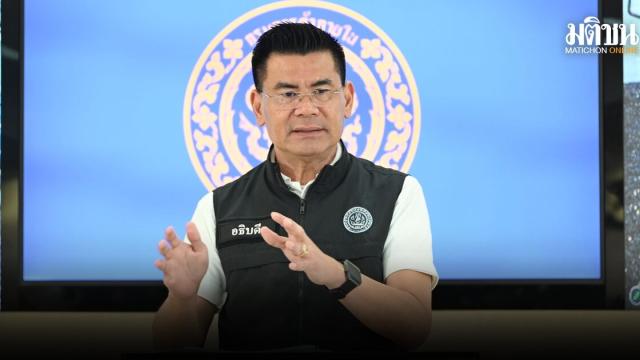
Department of Internal Trade Promotes Local Markets for Loy Krathong

Matichon Online One source

The Department of Internal Trade is revitalizing local commerce through its 'Must-Visit Markets' and 'Trading Villages' initiatives, with special events planned for Loy Krathong.

The Thai Department of Internal Trade has announced a strategic push to stimulate local economies by promoting its 'Must-Visit Markets' (Talad Tong Chom) and 'Trading Villages' (Muban Tham Ma Ka Kai) programs. According to a report by Matichon Online, these initiatives aim to revitalize community-based commerce by highlighting unique local products and cultural experiences. A key highlight of this campaign is the scheduled activation of these markets during the upcoming Loy Krathong festival, which falls on November 24. For residents and travelers, this initiative offers an opportunity to engage with authentic local culture and support small-scale vendors during one of Thailand's most significant traditional celebrations. By visiting these designated markets, participants can experience regional crafts and food while contributing directly to the local economic ecosystem. While the Department has confirmed the focus on these specific market locations for the festival period, details regarding the full list of participating venues and specific event schedules at each site remain to be confirmed. Visitors are encouraged to check local announcements as the date approaches to identify which markets in their vicinity will be hosting special activities.

Original source

One source

This update currently comes from one active source. Follow the original link for context.

Translated from Thai.

SawaLife is not a news organisation. We classify and translate source material using automated processing and editorial controls; the original publication remains the authoritative context.

Processed and checked: 07 November 2026, 11:41 UTC

Economy

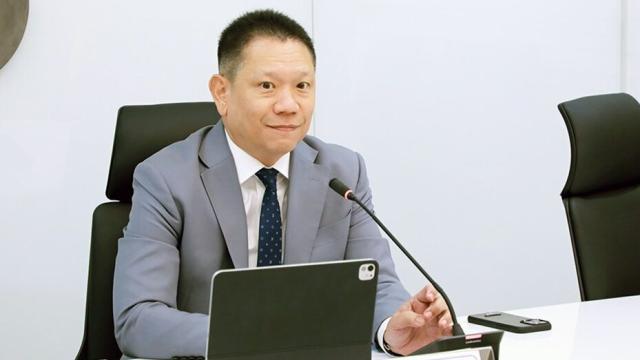
Thai Government Launches Solar Energy Initiative for Households

Khaosod Online Thailand One source

The Ministry of Finance has announced a new solar energy program providing financial support to one million households to reduce electricity costs and promote sustainable energy.

The Thai Ministry of Finance has officially launched a government-backed solar energy initiative aimed at one million households. According to Permanent Secretary Lavaron Sangsnit, the program provides 50,000 baht per household for equipment and installation costs, with a total budget allocation of 50 billion baht. This policy is designed to achieve three primary objectives: reducing monthly electricity bills for residents, generating additional income by allowing households to sell excess power back to the grid, and advancing the nation's energy transition. The government estimates that this initiative could generate up to 5,000 megawatts of clean energy, thereby enhancing national energy security and reducing reliance on imported fossil fuels. To assist those with financial constraints, state-owned financial institutions—including the Government Savings Bank, the Government Housing Bank, and the Bank for Agriculture and Agricultural Cooperatives—are offering low-interest loans to facilitate the installation process. For residents and property owners, this program represents a potential opportunity to lower long-term utility expenses and contribute to sustainable living. However, specific details regarding the application timeline, eligibility criteria for the low-interest loans, and the exact mechanism for selling surplus electricity back to the national grid remain to be confirmed by the relevant authorities.

Original source

One source

This update currently comes from one active source. Follow the original link for context.

Translated from Thai.

SawaLife is not a news organisation. We classify and translate source material using automated processing and editorial controls; the original publication remains the authoritative context.

Processed and checked: 07 November 2026, 11:41 UTC

Economy

Bank of Thailand to Regulate THB Stablecoins and Currency Exchange Businesses

Prachachat Business One source

The Bank of Thailand plans to implement new regulations for THB-backed stablecoins by March 2027 and tighten oversight of currency exchange services to combat illicit financial activities.

The Bank of Thailand (BOT) has announced a strategic initiative to regulate Thai Baht (THB) stablecoins, with official guidelines scheduled to take effect in March 2027. According to reports from Prachachat Business, the central bank intends to initially limit the market to two authorized stablecoin issuers. This move is designed to facilitate smoother digital transactions, including shopping and trading major cryptocurrencies like Ethereum and Bitcoin.

Beyond digital assets, the BOT is simultaneously launching a comprehensive restructuring of the currency exchange sector. This regulatory push aims to enhance transparency and curb illicit capital flows, money laundering, and corruption within the financial system.

For residents and travelers, these changes represent a significant shift toward a more formalized digital payment landscape in Thailand. While the integration of THB stablecoins could eventually simplify digital commerce, the immediate focus remains on institutional compliance and security. It is important to note that the specific operational requirements for currency exchange businesses and the final criteria for stablecoin issuers are still being finalized. Stakeholders should monitor official BOT announcements for further details on how these regulations might impact personal financial services or digital asset usage in the coming years.

Original source

One source

This update currently comes from one active source. Follow the original link for context.

Translated from Thai.

SawaLife is not a news organisation. We classify and translate source material using automated processing and editorial controls; the original publication remains the authoritative context.

Processed and checked: 07 November 2026, 11:36 UTC

Economy

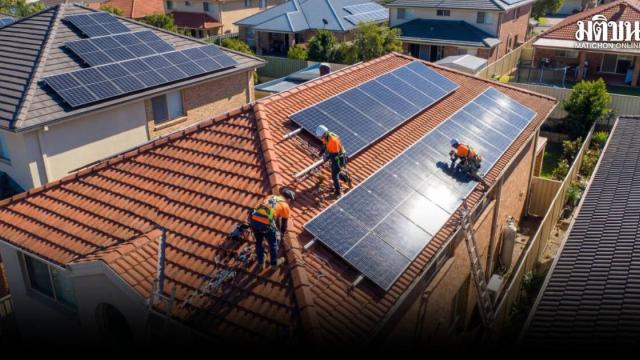
Thai Ministry of Finance Launches Solar Loan Initiative for Households

Matichon Online One source

The Thai Ministry of Finance has introduced a new loan program to support the installation of solar panels in one million households, offering a 2.5% interest rate through state-owned banks.

According to a report by Matichon Online, the Thai Ministry of Finance is spearheading a new initiative aimed at promoting solar energy adoption among the general public. The government has set an ambitious target of installing solar panels in one million households across the country. To facilitate this transition, the Ministry is collaborating with three major state-owned financial institutions: the Government Savings Bank (GSB), the Government Housing Bank (GHB), and the Bank for Agriculture and Agricultural Cooperatives (BAAC). These banks will provide specialized loans with a low interest rate of 2.5% to help citizens cover the costs of solar installation. For residents and property owners in Thailand, this program could significantly reduce long-term electricity expenses and contribute to more sustainable living. While the initiative marks a clear government commitment to renewable energy, specific details regarding the application process, eligibility criteria for homeowners, and the official launch date for these loan products remain to be confirmed by the participating banks. Interested parties are advised to monitor official announcements from these financial institutions for further updates on how to access the funding.

Original source

One source

This update currently comes from one active source. Follow the original link for context.

Translated from Thai.

SawaLife is not a news organisation. We classify and translate source material using automated processing and editorial controls; the original publication remains the authoritative context.

Processed and checked: 07 November 2026, 10:40 UTC

Economy

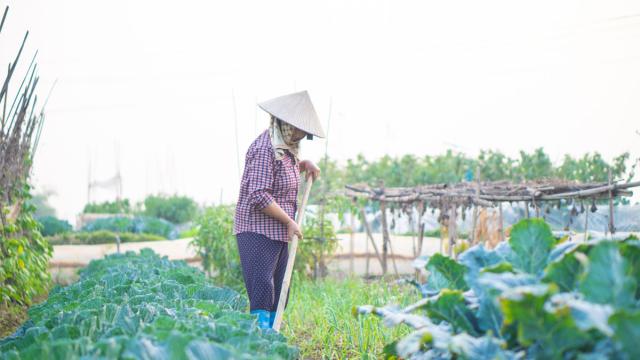
Srettha Thavisin Discusses Agricultural Economic Strategy

Prachachat Business One source

Former Prime Minister Srettha Thavisin highlights the importance of data-driven decision-making to improve net income for Thai farmers.

In a recent column for Prachachat Business, former Prime Minister Srettha Thavisin addressed the economic challenges facing Thailand's agricultural sector. He emphasized that the most critical metric for farmers is not gross revenue, but net income remaining after all production costs are deducted. Srettha argued that to effectively increase earnings, farmers must be empowered to make more accurate decisions before planting, similar to how businesses conduct market analysis before investing. By better understanding soil conditions, weather patterns, and market demand, farmers could potentially optimize their operations and reduce unnecessary expenditures. For residents and those interested in Thailand's economic landscape, this perspective underscores a shift toward professionalizing agricultural management to ensure long-term sustainability. While the former leader offers these insights as a strategic framework for the sector, it remains to be seen how such data-driven approaches will be integrated into national policy or adopted by individual farming communities. The discussion serves as a reminder of the ongoing efforts to modernize Thailand's primary industry and improve the livelihoods of its rural population.

Original source

One source

This update currently comes from one active source. Follow the original link for context.

Translated from Thai.

SawaLife is not a news organisation. We classify and translate source material using automated processing and editorial controls; the original publication remains the authoritative context.

Processed and checked: 07 November 2026, 10:23 UTC

Economy

Thai Cabinet Approves New Excise Tax Structure for Electric Vehicles

Prachachat Business One source

The Thai Cabinet has approved a new excise tax structure affecting imported BEV and REEV vehicles during a mobile meeting in Udon Thani.

During a recent mobile Cabinet meeting held in Udon Thani, the Thai government reached a significant decision regarding the nation's automotive tax policy. According to reports from Prachachat Business, the Cabinet has approved in principle a restructuring of excise taxes, specifically targeting imported Battery Electric Vehicles (BEVs) and Range Extended Electric Vehicles (REEVs).

What Happened

The government has moved to increase excise taxes on these imported vehicle categories. This policy shift is part of a broader set of economic measures discussed during the mobile Cabinet session. While the primary focus of the announcement was on the tax adjustment, the move signals a potential shift in the government's strategy toward managing the influx of imported electric vehicles into the Thai market.

Why It Matters

For residents and potential car buyers in Thailand, this change could lead to higher retail prices for imported electric vehicles. Those currently considering the purchase of a BEV or REEV should monitor how these tax adjustments will be implemented by manufacturers and distributors. For travellers, while this does not directly impact short-term tourism, it reflects the evolving landscape of Thailand's automotive and green energy sectors.

What Remains to be Confirmed

Specific details regarding the exact tax rates, the timeline for implementation, and any potential exemptions for locally assembled vehicles have not yet been fully disclosed. Further official announcements from the Ministry of Finance are expected to clarify the scope and impact of these new regulations.

Original source

One source

This update currently comes from one active source. Follow the original link for context.

Translated from Thai.

SawaLife is not a news organisation. We classify and translate source material using automated processing and editorial controls; the original publication remains the authoritative context.

Processed and checked: 07 November 2026, 09:32 UTC