Skip to content
BETA

Menu

Account

Language

Thailand News

Understand what is happening in Thailand.

Daily verified news that matters in Thailand.

Filters

Topics
Clear all

7 606 stories

Economy

Page 3 of 423

Yesterday 8 November

  1. Economy

    Thailand Faces Potential Cost-of-Living Increases Due to Global Energy Instability

    The Trade Policy and Strategy Office (TPSO) warns that rising global energy costs, driven by Middle East instability, are impacting Thailand's production and transport expenses.

    Khaosod Online Thailand One source

  2. Economy

    Experts Warn of Cyberattack Impacts on Thailand's Economy

    Academic experts have highlighted the growing threat of cyberattacks to the Thai economy, urging the implementation of seven key defensive measures.

    Matichon Online One source

  3. Economy

    Thai Rice Farmers Guard Harvests Amid Theft Concerns

    Farmers in Buriram province are sleeping in fields to protect their rice harvests from thieves as market prices rise.

    Khaosod Online Thailand One source

  4. Economy

    Northern Thailand Ranks Among Top Four for Credit Guarantees

    The Thai Credit Guarantee Corporation (TCG) reports that Northern Thailand is a top-four region for credit guarantees, with the service, tourism, and manufacturing sectors leading demand.

    Prachachat Business One source

  5. Economy

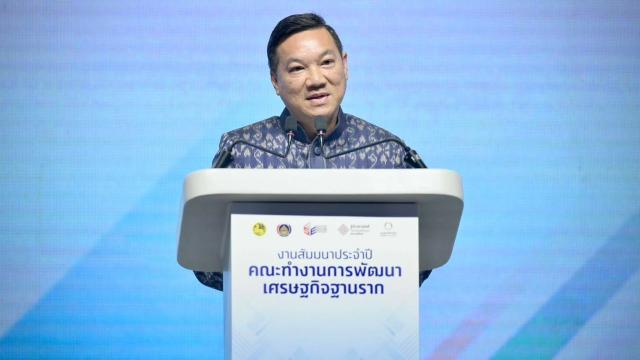
    Ministry of Interior Promotes Thai Textiles and OTOP for Global Markets

    The Thai Ministry of Interior is entering its 12th year of grassroots economic development, focusing on expanding Thai textiles and OTOP products into international markets.
    Thai Post One source

  6. Economy

    Thailand's Trade Policy and Strategy Office Analyzes Energy Import Structure

    The Trade Policy and Strategy Office (TPSO) is advocating for a more diversified energy import strategy to stabilize costs, as public demand for lower energy prices persists.

    Matichon Online One source

  7. Economy

    Thailand Diversifies Energy Imports Amid Rising Costs

    Thailand is reducing its reliance on energy imports from the Strait of Hormuz, though global fuel costs have surged by 45.7%.

    Prachachat Business One source

  8. Economy

    Thailand Gold Prices Remain Stable on November 8, 2026

    The Gold Traders Association has announced that domestic gold prices in Thailand remain unchanged compared to the previous day's closing figures.

    Khaosod Online Thailand One source

  9. Economy

    Thailand Faces Structural Crisis in Agricultural Sector

    A report by Prachachat Business highlights a significant decline in youth participation in Thailand's agricultural sector, raising concerns about long-term food security and national competitiveness.

    Prachachat Business One source

  10. Economy

    Rising Cyber Threats Pose Risks to Thailand's Economic Sectors

    A new analysis from Rangsit University indicates that cyberattacks in Thailand have surged to an average of 12 incidents per day in 2026.

    Prachachat Business One source

  11. Economy

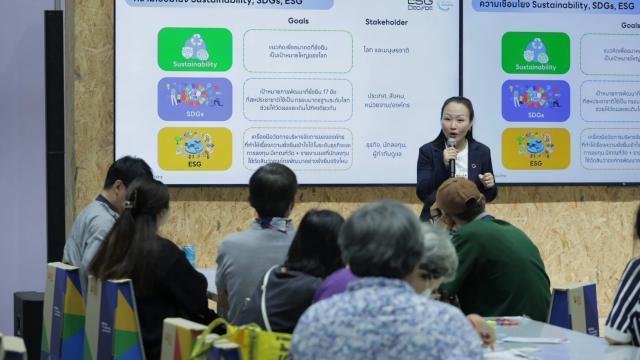
    ESG DECODE Board Game Debuts at Sustainability Expo 2026

    The Sustainability Expo 2026 in Bangkok features an interactive board game designed to teach business professionals and the public about ESG principles.
    Thai Post One source

  12. Economy

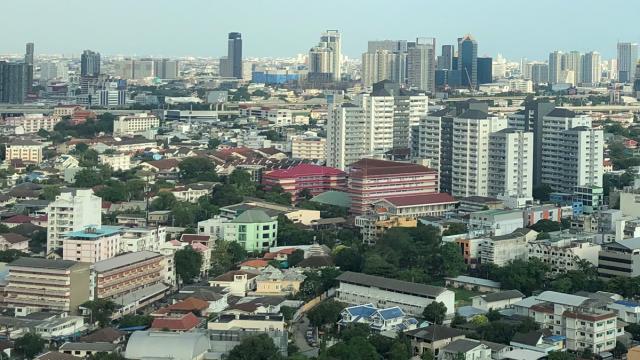
    Bangkok's Most Affordable Land Locations Identified for 2026

    A new report from the Agency for Real Estate Affairs (AREA) highlights the ten most affordable land locations in the Bangkok metropolitan area for 2026.
    Prachachat Business One source

  13. Economy

    Central Retail Announces New 'Ploen' Community Mall in Rangsit

    Central Retail is investing 1.5 billion baht to develop a new community mall named 'Ploen' on a 322-rai plot in the Rangsit area.

    Prachachat Business One source

  14. Economy

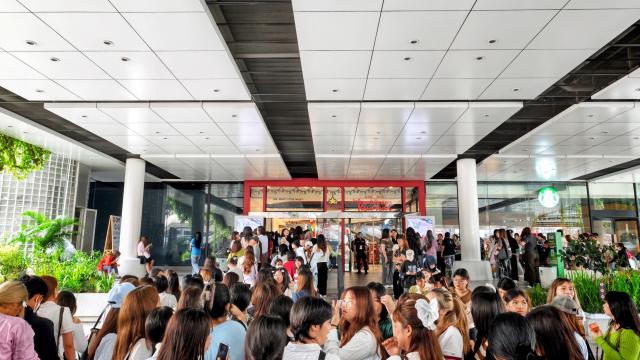
    The Mall Group Shifts Strategy to Focus on Depth Over Branch Expansion

    The Mall Group is countering its smaller physical footprint compared to competitors by prioritizing deep-market engagement and specialized retail experiences.
    Prachachat Business One source

  15. Economy

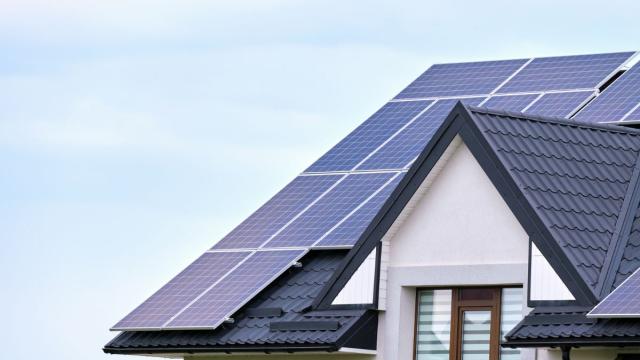
    Thai Ministry of Finance Promotes Residential Solar Energy Initiative

    The Thai Ministry of Finance is backing a residential solar energy project, offering low-interest loans through state banks to help citizens and SMEs reduce costs.
    Prachachat Business One source

  16. Economy

    ITC Targets $1 Billion Revenue Through Pet Longevity Innovation

    Global pet food manufacturer ITC is leveraging R&D from its i-Cattery facility to expand into the pet supplement market, aiming for $1 billion in revenue.

    Prachachat Business One source

  17. Economy

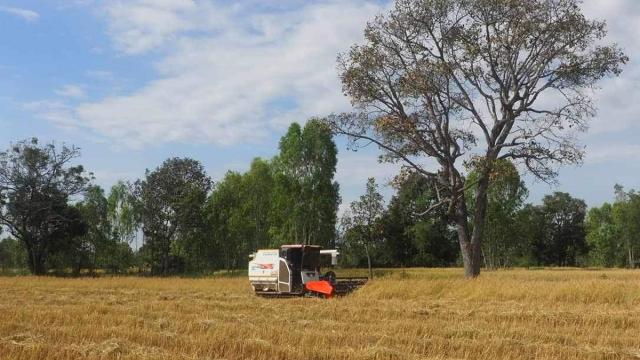
    Thai Rice Farmers Face Rising Costs and Price Declines

    Rising fuel costs have significantly increased harvesting expenses for Thai rice farmers, while an expected surge in supply threatens to lower market prices.
    Prachachat Business One source

  18. Economy

    The Shift Toward Skill-Based Organizations in Thailand

    A recent column in Prachachat Business explores the transition from job-based to skill-based organizational structures in Thailand.

    Prachachat Business One source

How this feed works

Every update from an active source is classified, translated into all SawaLife languages and published with its original source, exact timestamp and reliability score. Items confirmed by two independent publisher groups are highlighted.

SawaLife is not a news organisation. We classify and translate source material using automated processing and editorial controls; the original publication remains the authoritative context.

Economy

Thailand Faces Potential Cost-of-Living Increases Due to Global Energy Instability

Khaosod Online Thailand One source

The Trade Policy and Strategy Office (TPSO) warns that rising global energy costs, driven by Middle East instability, are impacting Thailand's production and transport expenses.

On November 8, 2026, the Trade Policy and Strategy Office (TPSO) issued a warning regarding the impact of global energy instability on Thailand's economy. Director Nantapong Jiralertpong highlighted that ongoing tensions in the Middle East and disruptions near the Strait of Hormuz have caused import prices for crude oil and natural gas to surge by 45.7%. This increase has subsequently driven up production costs for manufacturers by 10.2%.

For residents and travelers in Thailand, this situation poses a risk of rising prices for consumer goods and transportation services. The TPSO noted that while Thailand is actively diversifying its energy import sources to mitigate risks—moving away from heavy reliance on specific regions like the UAE—these adjustments do not provide immediate relief from current price pressures.

While the government is monitoring the situation to manage supply chain risks, the extent to which these increased costs will be passed on to the public remains to be seen. Residents and visitors should be aware that inflationary pressures on fuel and logistics could influence the cost of daily necessities and travel-related services in the coming months. Further updates on the stability of energy supply chains and their long-term impact on the Thai economy are expected as the global situation evolves.

Original source

One source

This update currently comes from one active source. Follow the original link for context.

Translated from Thai.

SawaLife is not a news organisation. We classify and translate source material using automated processing and editorial controls; the original publication remains the authoritative context.

Processed and checked: 08 November 2026, 06:31 UTC

Economy

Experts Warn of Cyberattack Impacts on Thailand's Economy

Matichon Online One source

Academic experts have highlighted the growing threat of cyberattacks to the Thai economy, urging the implementation of seven key defensive measures.

According to a report by Matichon Online, academic experts have raised concerns regarding the increasing frequency and sophistication of cyberattacks targeting Thailand. These digital threats are identified as a significant risk to the nation's economic stability, potentially disrupting critical infrastructure and business operations. To mitigate these risks, experts have proposed a comprehensive strategy involving seven key areas of focus to strengthen national cybersecurity resilience. For residents and travelers, this development underscores the importance of maintaining heightened digital vigilance. While the specific nature of the proposed seven-point plan is still being detailed, the call to action highlights a growing consensus on the need for robust defensive infrastructure. It remains to be confirmed how government agencies and private sector entities will coordinate to implement these defensive measures and what specific timelines will be established for these upgrades. Stakeholders are encouraged to monitor official updates regarding cybersecurity protocols, as enhanced security measures may eventually influence digital service availability and data protection standards across the country.

Original source

One source

This update currently comes from one active source. Follow the original link for context.

Translated from Thai.

SawaLife is not a news organisation. We classify and translate source material using automated processing and editorial controls; the original publication remains the authoritative context.

Processed and checked: 08 November 2026, 05:10 UTC

Economy

Thai Rice Farmers Guard Harvests Amid Theft Concerns

Khaosod Online Thailand One source

Farmers in Buriram province are sleeping in fields to protect their rice harvests from thieves as market prices rise.

Farmers in the Satuek district of Buriram province are taking extra precautions to protect their rice harvests this season. According to a report by Khaosod Online, many farmers have resorted to setting up tents and sleeping in fields overnight to guard their drying paddy rice. This trend follows a rise in reports of rice theft, which has become a significant concern as the market price for paddy rice has reached approximately 14 baht per kilogram, or 14,000 baht per ton. Local farmers, already burdened by high production costs including fertilizer, fuel, and harvesting fees, are particularly vulnerable to these losses. One farmer, 65-year-old Mrs. Phuang Yingram, noted that her family has been forced to have relatives guard their 18-rai plot every night to ensure their hard-earned crop is not stolen. For residents and visitors, this situation highlights the economic pressures currently facing the agricultural sector in rural Thailand. While the higher market price offers some relief, it has simultaneously created a security challenge for those working the land. It remains to be confirmed whether local authorities will implement additional patrols or security measures to assist farmers in the affected areas during the remainder of the harvest season.

Original source

One source

This update currently comes from one active source. Follow the original link for context.

Translated from Thai.

SawaLife is not a news organisation. We classify and translate source material using automated processing and editorial controls; the original publication remains the authoritative context.

Processed and checked: 08 November 2026, 05:11 UTC

Economy

Northern Thailand Ranks Among Top Four for Credit Guarantees

Prachachat Business One source

The Thai Credit Guarantee Corporation (TCG) reports that Northern Thailand is a top-four region for credit guarantees, with the service, tourism, and manufacturing sectors leading demand.

According to a report from Prachachat Business, the Thai Credit Guarantee Corporation (TCG) has identified Northern Thailand as one of the top four regions in the country for credit guarantee volume. The demand for these financial services is primarily driven by the service, tourism, and manufacturing sectors. Despite the high volume of activity, the TCG noted that the rate of non-performing loans (NPLs) in the region remains stable.

To support local businesses, the TCG participated in the Money Expo 2026 in Chiang Mai, held from November 6 to 8. During the event, the organization deployed a team of experts to provide direct consultations regarding credit guarantee measures and debt resolution strategies. This initiative aims to facilitate easier access to capital for entrepreneurs and assist those struggling with debt management.

For residents and business owners in the region, this development highlights a continued focus on financial stability and capital accessibility. While the TCG has provided data on current guarantee trends and NPL stability, the long-term impact of these debt resolution measures on the regional economy remains to be confirmed. Those interested in specific financial assistance programs are encouraged to monitor official TCG announcements for future outreach events or direct service availability.

Original source

One source

This update currently comes from one active source. Follow the original link for context.

Translated from Thai.

SawaLife is not a news organisation. We classify and translate source material using automated processing and editorial controls; the original publication remains the authoritative context.

Processed and checked: 08 November 2026, 04:51 UTC

Economy

Ministry of Interior Promotes Thai Textiles and OTOP for Global Markets

Thai Post One source

The Thai Ministry of Interior is entering its 12th year of grassroots economic development, focusing on expanding Thai textiles and OTOP products into international markets.

Strengthening Grassroots Economy

Arsith Sumpuntharat, Permanent Secretary of the Ministry of Interior, recently delivered a keynote address regarding the 'Grassroots Economic Development 2026' initiative. According to a report by Thai Post, the Ministry is marking its 12th year of efforts to elevate local economies by leveraging public-private partnerships. The core strategy involves promoting Thai textiles and One Tambon One Product (OTOP) goods to increase their visibility and competitiveness in the global market.

Impact for Residents and Travelers

For residents and expatriates, this initiative signals a continued government focus on supporting local artisans and small-scale producers. Travelers visiting Thailand may notice an increased presence of high-quality, standardized OTOP products in retail spaces and tourism hubs, as the government aims to integrate these goods into broader commercial channels. This push is intended to provide sustainable income for rural communities by connecting traditional craftsmanship with modern export standards.

What Remains to be Confirmed

While the Ministry has outlined its commitment to this 12-year milestone, specific details regarding new export incentives, logistics support for local vendors, or the exact timeline for international trade fair participation have not yet been fully disclosed. Observers will be watching to see how these policy goals translate into tangible growth for local businesses throughout the coming year.

Original source

One source

This update currently comes from one active source. Follow the original link for context.

  • Thai Post
    Source reliability 68/100 · Moderate

Translated from Thai.

SawaLife is not a news organisation. We classify and translate source material using automated processing and editorial controls; the original publication remains the authoritative context.

Processed and checked: 08 November 2026, 04:32 UTC

Economy

Thailand's Trade Policy and Strategy Office Analyzes Energy Import Structure

Matichon Online One source

The Trade Policy and Strategy Office (TPSO) is advocating for a more diversified energy import strategy to stabilize costs, as public demand for lower energy prices persists.

According to a report from Matichon Online, the Trade Policy and Strategy Office (TPSO) has conducted an in-depth analysis of Thailand's energy import structure. The study highlights the importance of diversifying energy procurement sources to enhance national energy security and mitigate risks associated with global market volatility. The TPSO suggests that broadening the range of suppliers could lead to more competitive pricing and greater stability in the domestic energy market. This analysis comes at a time when there is significant public pressure for the government to implement measures that would further reduce energy costs for consumers. For residents and long-term visitors, this policy shift is significant as energy prices directly influence the cost of living, transportation, and the overall price of goods and services across the country. While the TPSO has outlined the strategic benefits of diversifying import sources, the specific mechanisms for implementation and the timeline for when these changes might impact consumer prices remain to be confirmed. Authorities have not yet announced concrete policy adjustments or specific agreements with new energy suppliers. Stakeholders are currently waiting for further details on how these recommendations will be integrated into the national energy policy framework.

Original source

One source

This update currently comes from one active source. Follow the original link for context.

Translated from Thai.

SawaLife is not a news organisation. We classify and translate source material using automated processing and editorial controls; the original publication remains the authoritative context.

Processed and checked: 08 November 2026, 04:31 UTC

Economy

Thailand Diversifies Energy Imports Amid Rising Costs

Prachachat Business One source

Thailand is reducing its reliance on energy imports from the Strait of Hormuz, though global fuel costs have surged by 45.7%.

According to a report from Prachachat Business, Thailand is actively diversifying its energy import sources to mitigate risks associated with potential crises in the Strait of Hormuz. Data from the Trade Policy and Strategy Office (TPSO) indicates that the proportion of crude oil imported from the country's three primary sources has decreased from 74.4% to 54.7%. Furthermore, the primary source for natural gas imports has shifted from Qatar to the United States.

Despite these strategic adjustments aimed at enhancing energy security, the nation continues to face significant economic pressure. The import price index for fuel has risen sharply by 45.7%, reflecting broader global energy market volatility. For residents and travelers, this trend highlights the ongoing sensitivity of Thailand's economy to international energy prices, which may influence transportation costs and general inflation levels. While the diversification strategy is intended to stabilize supply chains, the long-term impact on consumer prices remains to be confirmed as global market conditions evolve. Authorities continue to monitor these indices to assess the necessity of further policy adjustments.

Original source

One source

This update currently comes from one active source. Follow the original link for context.

Translated from Thai.

SawaLife is not a news organisation. We classify and translate source material using automated processing and editorial controls; the original publication remains the authoritative context.

Processed and checked: 08 November 2026, 04:11 UTC

Economy

Thailand Gold Prices Remain Stable on November 8, 2026

Khaosod Online Thailand One source

The Gold Traders Association has announced that domestic gold prices in Thailand remain unchanged compared to the previous day's closing figures.

On November 8, 2026, the Gold Traders Association of Thailand released its first daily update regarding domestic gold prices. According to the official announcement, the market rates have remained stable compared to the closing prices recorded on November 7. For those residing in or visiting Thailand, the current market data indicates that gold bars are being purchased at 64,600 THB per baht-weight and sold at 64,800 THB. Meanwhile, gold ornaments are listed with a selling price of 65,600 THB per baht-weight, with a purchase price of 63,308.16 THB. The global market price, or Gold Spot, is currently reported at 4,073.00 USD per ounce. These figures are based on the data published by the Gold Traders Association as of 09:00 local time. While these prices provide a snapshot of the current market, individuals interested in gold transactions should be aware that prices are subject to fluctuation throughout the day based on global market conditions. It remains to be confirmed how these rates will shift as international trading continues. Residents and tourists are advised to monitor official updates from the Gold Traders Association for the most accurate and current pricing information before making any financial decisions.

Original source

One source

This update currently comes from one active source. Follow the original link for context.

Translated from Thai.

SawaLife is not a news organisation. We classify and translate source material using automated processing and editorial controls; the original publication remains the authoritative context.

Processed and checked: 08 November 2026, 04:32 UTC

Economy

Thailand Faces Structural Crisis in Agricultural Sector

Prachachat Business One source

A report by Prachachat Business highlights a significant decline in youth participation in Thailand's agricultural sector, raising concerns about long-term food security and national competitiveness.

According to a recent report from Prachachat Business, Thailand is grappling with a critical structural issue: the diminishing presence of the younger generation in the agricultural sector. This trend is not merely a labor shortage but a complex challenge tied to the nation's research systems, innovation, and income stability. Experts suggest that the lack of engagement from younger demographics threatens Thailand's long-term food security and its ability to compete effectively in the global market. For residents and those interested in the Thai economy, this shift indicates potential changes in agricultural output and the modernization of farming practices. The reliance on an aging workforce may lead to shifts in food prices and the availability of local produce in the future. While the report identifies the structural nature of the problem, the specific policy interventions required to reverse this trend remain to be confirmed. Observers are waiting to see how government initiatives might address the intersection of agricultural research and economic incentives to attract younger workers back to the land.

Original source

One source

This update currently comes from one active source. Follow the original link for context.

Translated from Thai.

SawaLife is not a news organisation. We classify and translate source material using automated processing and editorial controls; the original publication remains the authoritative context.

Processed and checked: 08 November 2026, 04:11 UTC

Economy

Rising Cyber Threats Pose Risks to Thailand's Economic Sectors

Prachachat Business One source

A new analysis from Rangsit University indicates that cyberattacks in Thailand have surged to an average of 12 incidents per day in 2026.

According to a report by Prachachat Business citing data from Rangsit University, Thailand is facing a significant increase in cyber threats. The analysis for 2026 reveals that the country is experiencing an average of 12 cyberattack incidents daily, nearly double the frequency recorded in 2023. The study highlights that 10 critical industries, representing a combined value of 12.74 trillion baht—or approximately 67.1% of Thailand's GDP—are currently at risk. Key sectors identified as particularly vulnerable include finance, energy, and manufacturing. For residents and travelers, this trend underscores the importance of maintaining robust digital security practices, as large-scale disruptions in these essential sectors could potentially impact public services, banking operations, and supply chains. While the report identifies the scale of the threat and the specific industries most at risk, it does not detail the specific nature of the attacks or the identity of the perpetrators. Further information regarding government or private sector mitigation strategies remains to be confirmed as authorities assess the potential economic impact of these ongoing digital security challenges.

Original source

One source

This update currently comes from one active source. Follow the original link for context.

Translated from Thai.

SawaLife is not a news organisation. We classify and translate source material using automated processing and editorial controls; the original publication remains the authoritative context.

Processed and checked: 08 November 2026, 04:12 UTC

Economy

ESG DECODE Board Game Debuts at Sustainability Expo 2026

Thai Post One source

The Sustainability Expo 2026 in Bangkok features an interactive board game designed to teach business professionals and the public about ESG principles.

At the Sustainability Expo 2026 (SX2026) held at the Queen Sirikit National Convention Center, organizers have introduced an educational initiative titled 'ESG DECODE.' Hosted at the IDEA Lab stage, this activity utilizes a creative board game to help participants understand the complex relationship between modern business operations and Environmental, Social, and Governance (ESG) criteria.

According to Thai Post, the event aims to shift the focus of contemporary business beyond simple profit generation, emphasizing the necessity of integrating sustainability into corporate strategy. By gamifying the learning process, the organizers hope to make the concepts of ESG more accessible to both business leaders and the general public.

For residents and visitors interested in the evolving landscape of Thai corporate responsibility, this event highlights a growing trend toward sustainable business practices in the region. Understanding these principles can provide insight into how local companies are adapting to global standards. While the expo provides a platform for learning, it remains to be seen how these educational board games will be implemented in broader corporate training programs or if similar initiatives will be expanded to other public forums in the future. Attendees are encouraged to visit the IDEA Lab at the convention center to participate in the sessions.

Original source

One source

This update currently comes from one active source. Follow the original link for context.

  • Thai Post
    Source reliability 68/100 · Moderate

Translated from Thai.

SawaLife is not a news organisation. We classify and translate source material using automated processing and editorial controls; the original publication remains the authoritative context.

Processed and checked: 08 November 2026, 03:52 UTC

Economy

Bangkok's Most Affordable Land Locations Identified for 2026

Prachachat Business One source

A new report from the Agency for Real Estate Affairs (AREA) highlights the ten most affordable land locations in the Bangkok metropolitan area for 2026.

According to a recent survey conducted by the Agency for Real Estate Affairs (AREA), the Bangkok metropolitan region continues to offer varying land values for potential investors and residents. Dr. Sopon Pornchokchai, President of the Thai Real Estate Research and Valuation Center, released data identifying the top ten most affordable locations for the year 2026. The survey indicates that the most inexpensive land is situated along Liap Khlong 13 Road, with prices recorded at 5,300 baht per square wah.

For residents and expatriates, this report provides insight into the shifting landscape of property affordability on the outskirts of the capital. While these areas offer lower entry costs, prospective buyers should consider the implications of location, such as accessibility to public transport, infrastructure development, and proximity to essential services. Understanding these market trends is crucial for those looking to invest in real estate or secure long-term housing in the region.

It remains to be confirmed how these land prices will influence future residential development projects in these specific zones. Furthermore, while these figures represent current valuations, market fluctuations and local zoning regulations may impact future property costs. Interested parties are encouraged to conduct thorough due diligence and consult with local real estate professionals before making any financial commitments.

Original source

One source

This update currently comes from one active source. Follow the original link for context.

Translated from Thai.

SawaLife is not a news organisation. We classify and translate source material using automated processing and editorial controls; the original publication remains the authoritative context.

Processed and checked: 08 November 2026, 03:52 UTC

Economy

Central Retail Announces New 'Ploen' Community Mall in Rangsit

Prachachat Business One source

Central Retail is investing 1.5 billion baht to develop a new community mall named 'Ploen' on a 322-rai plot in the Rangsit area.

According to a report by Prachachat Business, Central Retail is set to transform a 322-rai land plot in the Rangsit-Nakhon Nayok area into a new commercial hub. The company plans to invest 1.5 billion baht to construct 'Ploen,' a new community mall located near the intersection of the Rangsit-Nakhon Nayok Road (Khlong 5) and the Eastern Outer Ring Road. The land was originally acquired by the Central Group following its 2021 purchase of Siam Future Development Public Company Limited, which had previously consolidated the large site. For residents and frequent visitors to the northern outskirts of Bangkok, this development signals a significant expansion of retail and lifestyle infrastructure in the Pathum Thani province. The project aims to serve the growing population in the Rangsit area by providing a centralized space for shopping and community activities. While the investment figure and the project name have been confirmed, specific details regarding the official opening date, the list of anchor tenants, and the full scope of the facility's amenities remain to be announced by the developer. Stakeholders are awaiting further updates on the construction timeline and the final architectural design of the complex.

Original source

One source

This update currently comes from one active source. Follow the original link for context.

Translated from Thai.

SawaLife is not a news organisation. We classify and translate source material using automated processing and editorial controls; the original publication remains the authoritative context.

Processed and checked: 08 November 2026, 03:11 UTC

Economy

The Mall Group Shifts Strategy to Focus on Depth Over Branch Expansion

Prachachat Business One source

The Mall Group is countering its smaller physical footprint compared to competitors by prioritizing deep-market engagement and specialized retail experiences.

According to a report by Prachachat Business, The Mall Group is refining its business strategy to address the disparity in branch numbers between itself and its primary retail competitors. While major rivals operate over 40 locations, The Mall Group currently maintains 10 branches. Rather than pursuing rapid physical expansion, the company is focusing on a 'deep-dive' strategy, as outlined by Voralak Tulaphorn, Chief Marketing Officer of The Mall Group. This approach emphasizes maximizing the value and engagement within existing locations rather than simply increasing the total count of stores. For residents and visitors, this shift suggests that The Mall Group will likely continue to invest in enhancing the quality, variety, and service offerings within its current properties to maintain competitiveness. The strategy aims to turn the smaller number of branches into a focused advantage by providing more curated and intensive retail experiences. It remains to be confirmed how this strategic pivot will influence future renovation projects or the introduction of new retail concepts within their existing malls. The company continues to position itself as a premium destination, prioritizing depth of service over the sheer scale of its physical network.

Original source

One source

This update currently comes from one active source. Follow the original link for context.

Translated from Thai.

SawaLife is not a news organisation. We classify and translate source material using automated processing and editorial controls; the original publication remains the authoritative context.

Processed and checked: 08 November 2026, 03:11 UTC

Economy

Thai Ministry of Finance Promotes Residential Solar Energy Initiative

Prachachat Business One source

The Thai Ministry of Finance is backing a residential solar energy project, offering low-interest loans through state banks to help citizens and SMEs reduce costs.

According to Prachachat Business, the Thai Ministry of Finance has announced its support for the 'People's Solar' project, aimed at facilitating the country's energy transition. Permanent Secretary Lavaron Sangsnit stated that the initiative offers three primary benefits: promoting sustainable energy, reducing household expenses, and creating potential income streams for participants. To support the adoption of this technology, the Ministry is collaborating with three state-owned banks to provide low-interest loans specifically tailored for individual citizens and small-to-medium enterprises (SMEs). For residents and expatriates in Thailand, this development may signal a shift toward more accessible renewable energy options, potentially lowering long-term utility costs for those who choose to install solar systems. While the government has outlined the financial framework and the involvement of state banks, specific details regarding the application process, eligibility criteria for foreign residents, and the exact interest rates offered by the participating banks remain to be confirmed. Interested parties are encouraged to monitor official announcements from the Ministry of Finance or their local state bank branches for further updates on how to access these financial incentives.

Original source

One source

This update currently comes from one active source. Follow the original link for context.

Translated from Thai.

SawaLife is not a news organisation. We classify and translate source material using automated processing and editorial controls; the original publication remains the authoritative context.

Processed and checked: 08 November 2026, 02:10 UTC

Economy

ITC Targets $1 Billion Revenue Through Pet Longevity Innovation

Prachachat Business One source

Global pet food manufacturer ITC is leveraging R&D from its i-Cattery facility to expand into the pet supplement market, aiming for $1 billion in revenue.

According to a report by Prachachat Business, i-Tail Corporation (ITC) is implementing a new strategic plan to navigate global economic fluctuations by focusing on 'Pet Longevity' nutrition. The company is utilizing research and development insights from its specialized 'i-Cattery' laboratory to drive innovation in the pet food sector. A key component of this strategy involves expanding into the pet supplement market, which the company expects will help it reach a revenue target of $1 billion. By positioning Thailand as a central hub in the global pet food supply chain, ITC aims to strengthen its competitive edge. For residents and those interested in Thailand's industrial landscape, this move highlights the country's growing role in high-value pet care manufacturing. While the company has set ambitious financial goals and is actively developing new product lines, the specific timeline for achieving the $1 billion revenue milestone and the full impact of these new supplements on the broader market remain to be confirmed as the company continues its expansion efforts.

Original source

One source

This update currently comes from one active source. Follow the original link for context.

Translated from Thai.

SawaLife is not a news organisation. We classify and translate source material using automated processing and editorial controls; the original publication remains the authoritative context.

Processed and checked: 08 November 2026, 02:10 UTC

Economy

Thai Rice Farmers Face Rising Costs and Price Declines

Prachachat Business One source

Rising fuel costs have significantly increased harvesting expenses for Thai rice farmers, while an expected surge in supply threatens to lower market prices.

According to a report by Prachachat Business, Thai rice farmers are currently facing severe financial pressure during the 2026-2027 main crop season. The primary driver of this hardship is a sharp increase in fuel prices, which has caused the cost of hiring combine harvesters to rise from 500-600 baht per rai to between 800 and 1,000 baht per rai. The President of the Thai Farmers and Agriculturists Association has expressed significant concern regarding the upcoming peak harvest period. As a large volume of rice is expected to enter the market by mid-November, there is a high risk that the price of jasmine rice will drop significantly due to the sudden supply glut and intense market competition. For residents and travellers, this situation highlights potential volatility in local agricultural markets and underscores the economic challenges currently impacting the rural sector. While the immediate impact on consumer prices remains to be seen, the combination of higher production costs and lower selling prices poses a substantial threat to the livelihoods of farmers. Further developments regarding government intervention or market stabilization measures are yet to be confirmed.

Original source

One source

This update currently comes from one active source. Follow the original link for context.

Translated from Thai.

SawaLife is not a news organisation. We classify and translate source material using automated processing and editorial controls; the original publication remains the authoritative context.

Processed and checked: 08 November 2026, 01:51 UTC

Economy

The Shift Toward Skill-Based Organizations in Thailand

Prachachat Business One source

A recent column in Prachachat Business explores the transition from job-based to skill-based organizational structures in Thailand.

In a recent opinion piece published by Prachachat Business, author Pitchapogee Saicheua discusses the evolving landscape of corporate management in Thailand. The article highlights a significant shift in organizational strategy, moving away from traditional job-based models toward skill-based frameworks. This transition is described as more than a simple update to job descriptions; it represents a fundamental change in how companies identify and leverage the hidden potential of their workforce. For residents and professionals working in Thailand, this trend suggests that employers may increasingly prioritize specific competencies and adaptable skill sets over static job titles. This shift could influence hiring practices, internal training programs, and career development paths within the Thai corporate sector. While the article provides a conceptual framework for this organizational evolution, it remains to be seen how widely these practices will be adopted across different industries. Further developments will likely depend on how individual companies integrate these strategies into their existing human resource policies. Readers interested in the future of the Thai labor market may find this shift toward skill-centric management a key area to monitor as businesses seek to enhance their operational efficiency and employee engagement.

Original source

One source

This update currently comes from one active source. Follow the original link for context.

Translated from Thai.

SawaLife is not a news organisation. We classify and translate source material using automated processing and editorial controls; the original publication remains the authoritative context.

Processed and checked: 08 November 2026, 01:10 UTC