NIDA Poll Reveals Public Support for Smart Sediment Traps in Northern Thailand
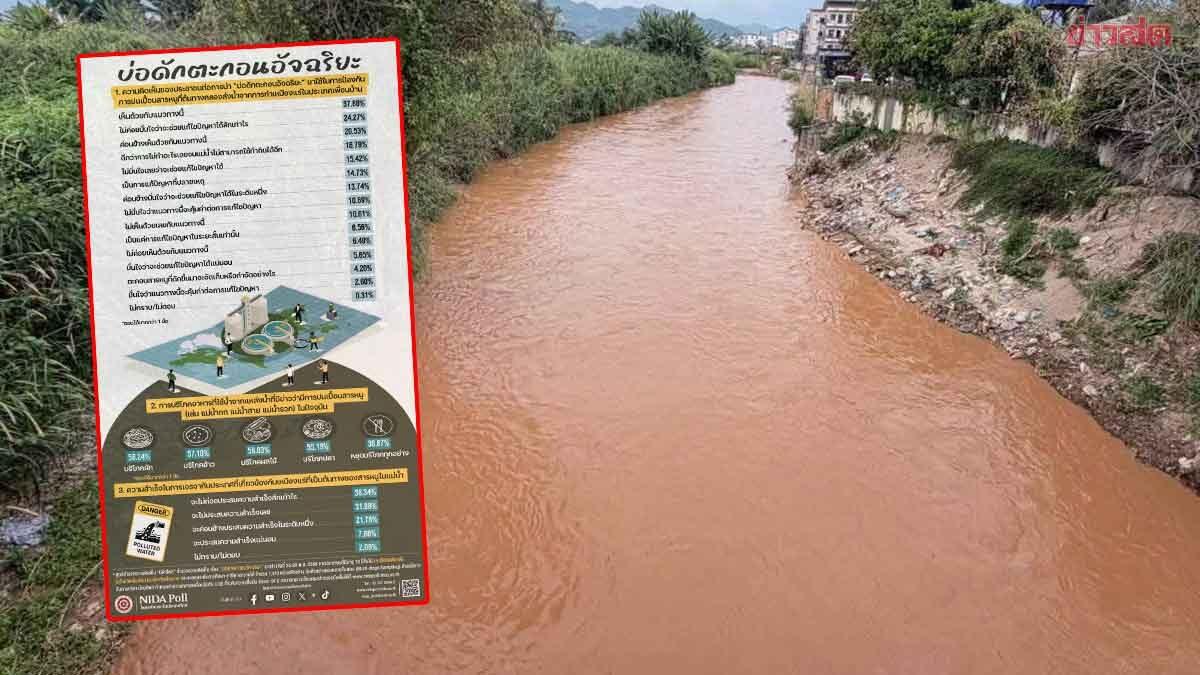
A recent NIDA Poll indicates that residents in Chiang Mai and Chiang Rai support the use of smart sediment traps to mitigate arsenic contamination in local waterways, though skepticism remains regarding diplomatic efforts.
A survey conducted by the National Institute of Development Administration (NIDA Poll) between November 24 and 26, 2026, has highlighted public sentiment in Chiang Mai and Chiang Rai regarding water safety. The study, which sampled 1,310 eligible voters, focused on the proposed implementation of 'smart sediment traps' designed to prevent arsenic contamination originating from mining activities in neighboring countries.
According to the findings, 37.86% of respondents expressed support for the installation of these traps at the source of water canals. However, the survey also revealed significant public doubt, with 24.27% of participants stating they were not confident that such technology would effectively resolve the contamination issue. Furthermore, many respondents expressed skepticism regarding the success of ongoing diplomatic negotiations with the upstream countries responsible for the mining operations.
For residents and travelers in Northern Thailand, this issue underscores ongoing concerns regarding water quality and environmental health in the region. While the proposed technological intervention reflects a proactive approach to managing cross-border pollution, the effectiveness of these measures and the outcome of international diplomatic discussions remain to be confirmed. Authorities have yet to finalize a comprehensive strategy to address the root causes of the contamination, leaving the long-term safety of local water sources as a subject of continued public debate.