Thailand to Restrict Mineral Smelting Chemical Exports to Combat Water Pollution
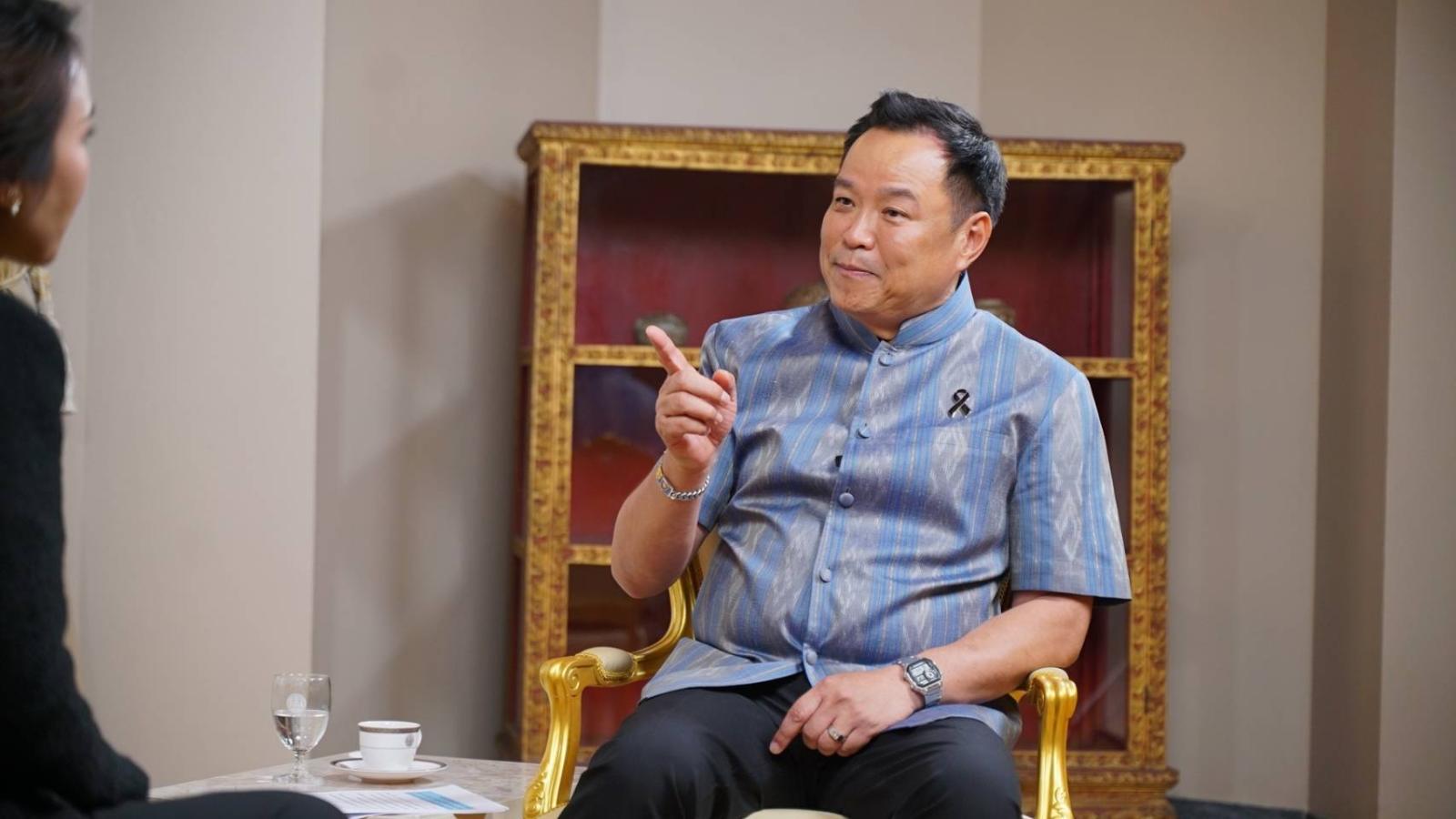
Deputy Prime Minister Anutin Charnvirakul announced plans to ban the export of chemical precursors used in mineral smelting by November 30 to address toxic contamination in northern rivers.
Government Action on Chemical Exports
Deputy Prime Minister Anutin Charnvirakul has announced that the Thai government is preparing to implement a ban on the export of chemical precursors used in mineral smelting. The measure is scheduled to be introduced around November 30, 2026. The primary objective of this policy is to mitigate the ongoing issue of toxic chemical contamination affecting the Kok, Sai, and Ruak rivers in northern Thailand.
Addressing Industrial Waste
In addition to the export ban, Mr. Anutin reported on the findings of recent inspections at electronic waste processing facilities in Prachin Buri province. He described the conditions at these sites as worse than initially anticipated, leading to immediate orders for facility closures and the initiation of legal proceedings against those involved. The Department of Special Investigation (DSI) has been tasked with tracing potential corruption linked to these operations.
Impact and Outlook
For residents and travelers, these developments highlight a significant government push to address environmental degradation and industrial malpractice. While the export ban aims to curb the flow of hazardous materials, the long-term effectiveness of these measures in restoring water quality remains to be confirmed. Authorities have yet to release specific details regarding the scope of the export restrictions or the timeline for the full remediation of the affected river systems.