Mongolia Faces High Risk of Extreme 'Dzud' Winter Conditions
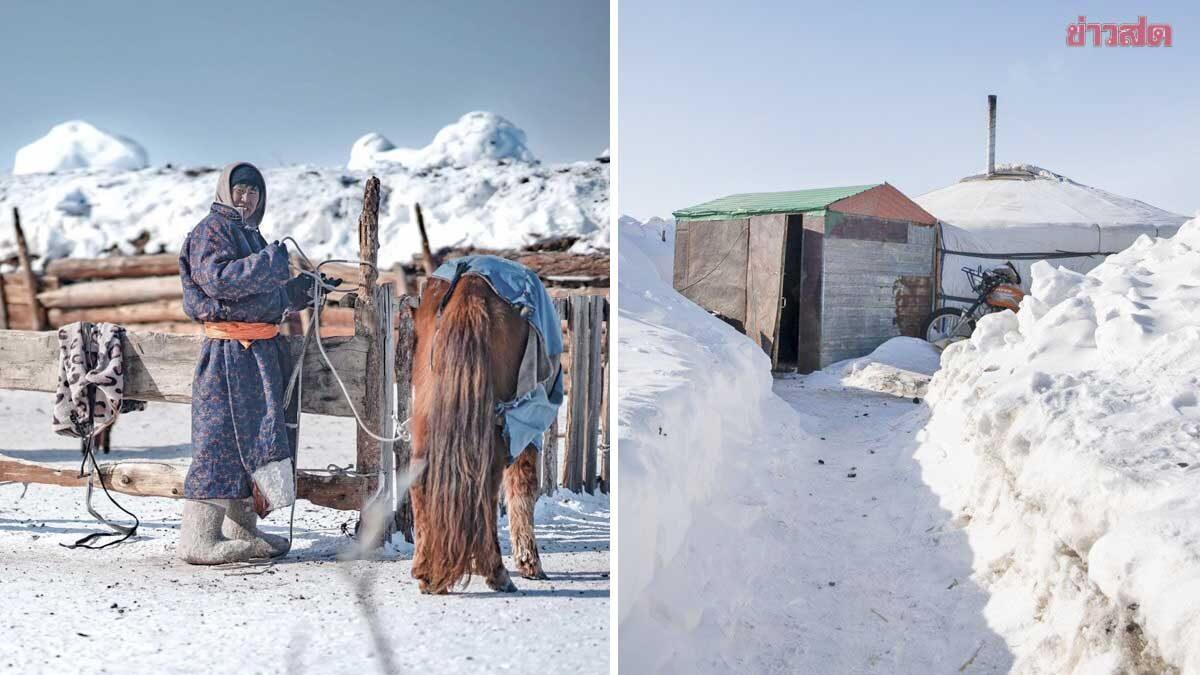
Mongolia's Ministry of Environment and Climate Change warns that 95% of the country is at risk of a 'dzud,' an extreme winter phenomenon that threatens livestock and infrastructure.
According to a report by Xinhua cited by Khaosod Online, the Mongolian Ministry of Environment and Climate Change has issued a warning regarding the upcoming winter season. Approximately 95% of Mongolia's territory is currently assessed to be at varying levels of risk for a 'dzud'—a traditional Mongolian term describing extreme winter conditions characterized by severe cold, heavy snowfall, and frozen ground that prevents livestock from grazing. The latest risk assessment indicates that 46% of the country faces high to very high risk, 34% is at moderate risk, and 15% is at low risk. Regions identified as having the highest vulnerability include Bayan-Olgii, Uvs, Zavkhan, and Khovd in the west; Omnogovi and Dundgovi in the south; Khuvsgul and Bulgan in the north; and Arkhangai and Uvurkhangai in the central region. For travelers or residents in these areas, the phenomenon poses significant logistical challenges, including potential disruptions to transport and infrastructure due to extreme temperatures and snow accumulation. While the government is monitoring the situation closely, the exact severity and duration of the weather events remain to be confirmed as the winter progresses. Visitors are advised to stay updated on local weather reports and travel advisories if planning trips to these affected provinces.