Bank of Thailand Highlights Challenges of Informal Economy
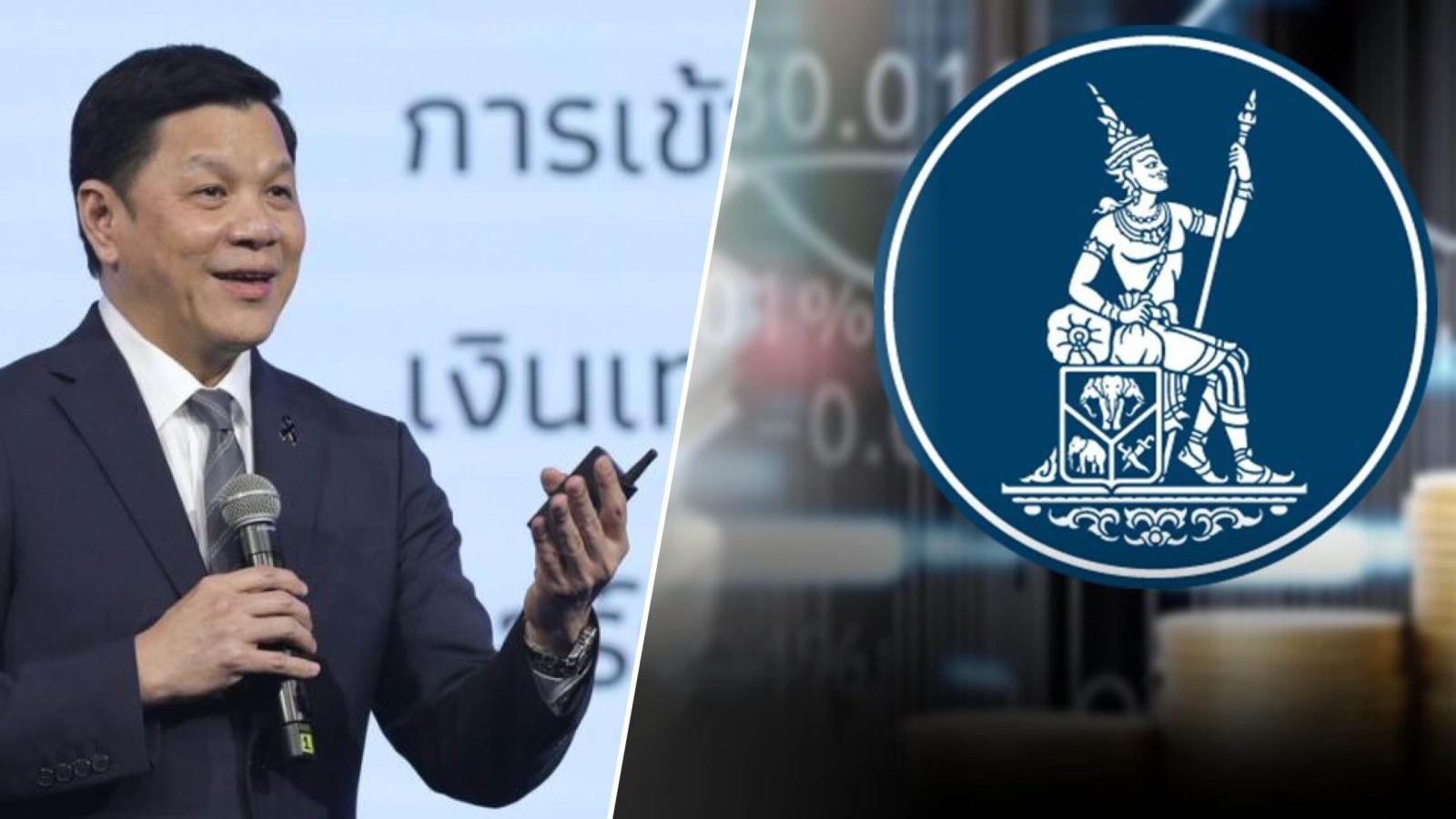
Bank of Thailand Governor Withai Rattanakorn identifies the informal economy as a major structural issue, noting it accounts for nearly 48% of the nation's GDP.
At the annual BOT Symposium 2026, Bank of Thailand Governor Withai Rattanakorn addressed the significant structural challenges posed by Thailand's informal economy. According to World Bank estimates cited during the event, this sector represents nearly 48% of the country's GDP, which officials warn may hinder long-term competitiveness, tax revenue, and labor welfare.
Governor Withai categorized the informal sector into two distinct groups. The first consists of legitimate activities, such as independent traders, freelancers, and farmers who operate outside the formal tax and registration systems. This group comprises approximately 2.5 million entrepreneurs—representing 70% to 80% of all businesses—and accounts for 26 million workers, or 65% of the total labor force. The second group involves grey-market activities and illicit financial flows.
For residents and expatriates, this structural reality highlights the complexity of the local business environment and the potential for future policy shifts aimed at formalizing these sectors. While the symposium focused on unlocking economic potential, the specific legislative or regulatory measures to transition these millions of workers into the formal system remain to be confirmed. Observers should monitor upcoming government announcements regarding tax reforms or business registration incentives that may impact small-scale entrepreneurs and the broader economic landscape.