
Chiang Rai Rice Samples Test Negative for Arsenic
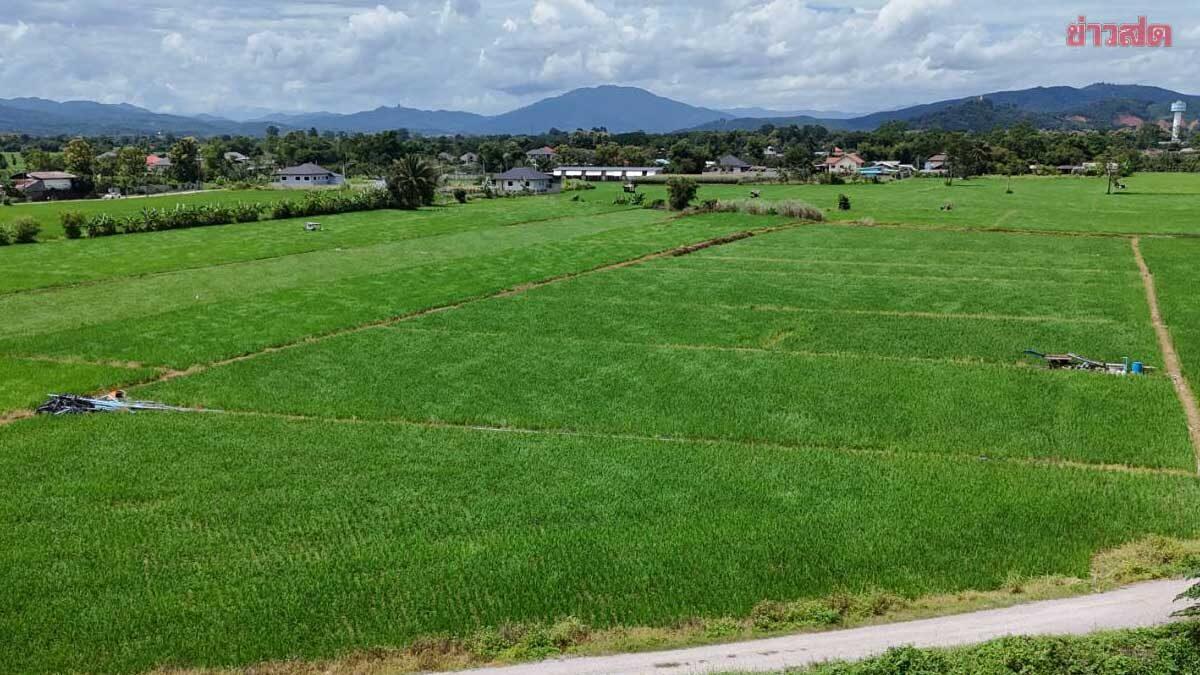
Authorities in Chiang Rai have confirmed that rice samples from the Sai and Ruak river basins meet safety standards, showing no excessive arsenic levels.
On November 20, 2026, officials from Chiang Rai province, in collaboration with the Faculty of Science and Agricultural Technology at Rajamangala University of Technology Lanna (RMUTL) Chiang Rai, announced the results of recent safety testing on local rice. The study focused on agricultural areas in Mae Sai and Chiang Saen districts, which rely on water from the Sai and Ruak river basins—regions previously flagged for potential arsenic contamination concerns. According to Khaosod Online, a research team led by Assistant Professor Dr. Subin Jaita collected 10 rice samples, including seven white rice and three brown rice varieties, from the Mae Sai Agricultural Cooperative on November 17. The testing aimed to verify food safety and restore consumer confidence in local produce. The results confirmed that none of the samples contained arsenic levels exceeding safety standards. For residents and visitors, this announcement serves as a reassurance regarding the safety of rice sourced from these specific northern agricultural zones. While these findings provide a positive outlook for local food security, the province continues to monitor environmental conditions in the area. Further updates regarding long-term soil and water quality management may be provided by provincial authorities as they continue their oversight of the region's agricultural output.
