
People’s Bank of China Increases Foreign Currency Reserve Requirements
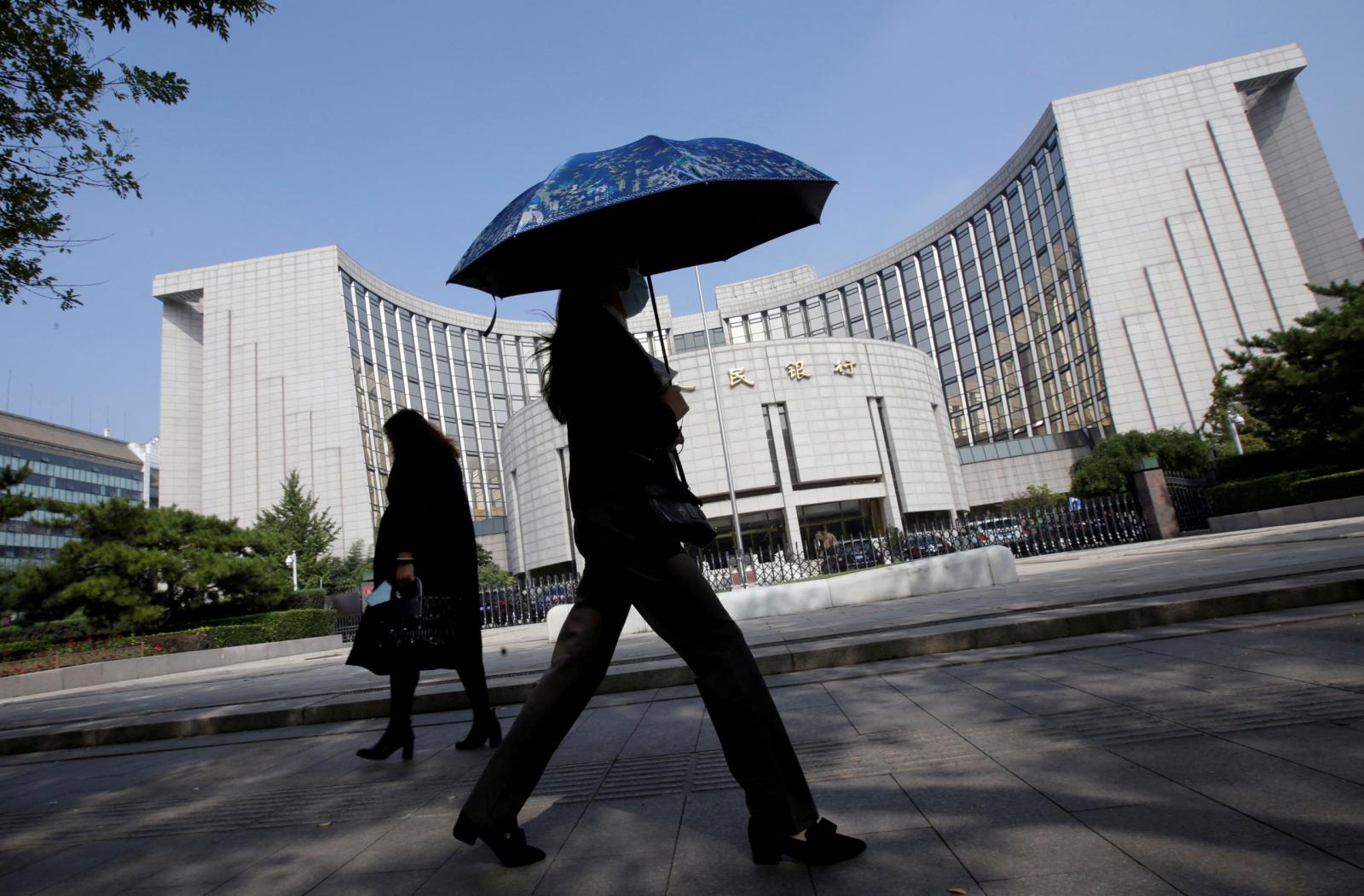
For the first time in five years, China's central bank has raised its foreign currency reserve requirement ratio to manage the yuan's appreciation.
According to a report by Nikkei Asia, the People’s Bank of China (PBOC) has officially increased its foreign currency reserve requirement ratio. This marks the first such adjustment in five years, signaling a strategic shift in monetary policy aimed at curbing the rapid appreciation of the Chinese yuan. By raising these requirements, the central bank intends to stabilize the currency and better prepare the national economy for potential external financial headwinds.
For residents and travelers in Thailand, this development is significant due to the deep economic ties between Thailand and China. Fluctuations in the value of the yuan can influence regional trade dynamics, tourism spending power, and the overall stability of the Thai baht. While this policy change is intended to manage domestic economic pressures, its ripple effects may be felt across Southeast Asian markets, potentially impacting exchange rates and the cost of imported goods.
At this stage, the long-term impact of this policy on regional currency markets remains to be confirmed. Observers are waiting to see how the market reacts to this tightening measure and whether further adjustments will be necessary to maintain economic balance. As the situation evolves, those monitoring regional financial trends should keep an eye on how these shifts influence the broader Asian economic landscape.
